Yemen escalation claims; Ukraine sustains 278 engagements as Russia intensifies strikes
Key developments
- Houthi forces claimed destruction of Saudi F-15 over Marib with indigenous SAM; Saudi Arabia has not confirmed any aircraft loss.
- U.S. air defenses intercepted ~20 Iranian ballistic missiles targeting Al-Azraq airbase in Jordan using 60-70 Patriot and 12+ THAAD missiles.
- Ukrainian General Staff reported 278 engagements on day 1666; Russia conducted 106 airstrikes and deployed 7,106 kamikaze drones in single reporting period.
- Russian Tu-95MS strategic bombers conducted routine patrols over Barents and Norwegian Seas with no incidents.
- Yemeni government forces executed ATGM strike against Houthi vehicle in Sa'dah, continuing ground-level attrition operations.
- Ukrainian Armed Forces memorialized emergency rescue workers killed in Russian strikes, emphasizing civilian infrastructure targeting.
- Middle East air defense engagement data indicates sustained Iranian ballistic missile threat and U.S. air defense operational employment.
Middle East 3 tracked events
Houthi forces claimed on September 16 that they shot down a Saudi F-15 fighter jet over Marib governorate using a locally manufactured surface-to-air missile. The claim lacks supporting photographic evidence or pilot identification details. Saudi Arabia has not acknowledged any aircraft loss. If verified, such a loss would represent a significant capability upgrade for the Houthi air defense posture, though the absence of independent confirmation warrants caution in assessing the claim's credibility. The incident reflects continued Houthi operational activity in northern Yemen despite years of Saudi-led coalition air operations.
U.S. air defense systems successfully intercepted approximately 20 Iranian ballistic missiles targeting Al-Azraq air base in Jordan during September 8-9, according to reporting in the Wall Street Journal. The intercept operation employed 60-70 Patriot surface-to-air missiles and 12 or more THAAD interceptors, indicating a coordinated layered defense response. The scale of the Iranian salvo and the substantial air defense expenditure required to counter it underscore the persistent threat environment in the eastern Levant. This engagement follows a pattern of Iranian ballistic missile operations against U.S.-allied targets in the region.
Saudi-backed Yemeni government forces conducted an anti-tank guided missile attack against a Houthi vehicle in Sa'dah governorate, continuing ground-level attrition operations in northern Yemen. This engagement reflects ongoing tactical-level conflict between Saudi-supported and Houthi-aligned forces despite broader diplomatic efforts. The persistence of localized ground combat alongside missile and air operations indicates compartmentalization of conflict dynamics across multiple operational domains in the Yemeni theater.
- Houthi forces claim they shot down a Saudi F-15 jet over Marib using a locally made surface-to-air missile. No
- US Air Defense intercepted approximately 20 Iranian ballistic missiles targeting Al-Azraq air base in Jordan o
- Saudi Arabia-backed Yemeni government forces conducted an ATGM (anti-tank guided missile) attack on a Houthi v
Ukraine 3 tracked events
The Ukrainian General Staff reported 278 combat engagements across Ukrainian territory on day 1666 of the war (September 16), indicating sustained operational intensity. Russian forces conducted 106 airstrikes, deployed 7,106 loitering munitions (kamikaze drones), and executed 2,366 artillery strikes during the reporting period. Ukrainian forces reported conducting counter-strikes against Russian positions. The magnitude of Russian drone deployment—over 7,000 units in a single day—reflects continued reliance on attrition-intensive air operations and persistent logistical capacity to sustain mass drone production despite sanctions and industrial degradation.
Ukrainian Armed Forces General Staff issued a statement honoring emergency rescue workers (DESNZ personnel) killed during Russian strikes, framing their deaths within a broader pattern of systematic Russian attacks on civilian infrastructure. The statement documents civilian casualties alongside military casualties, emphasizing the indiscriminate nature of Russian strike campaigns. This messaging reflects Ukraine's ongoing information strategy regarding civilian harm and international humanitarian law violations. The recognition of rescue worker deaths underscores the cascading impact of infrastructure targeting on civilian protection systems.
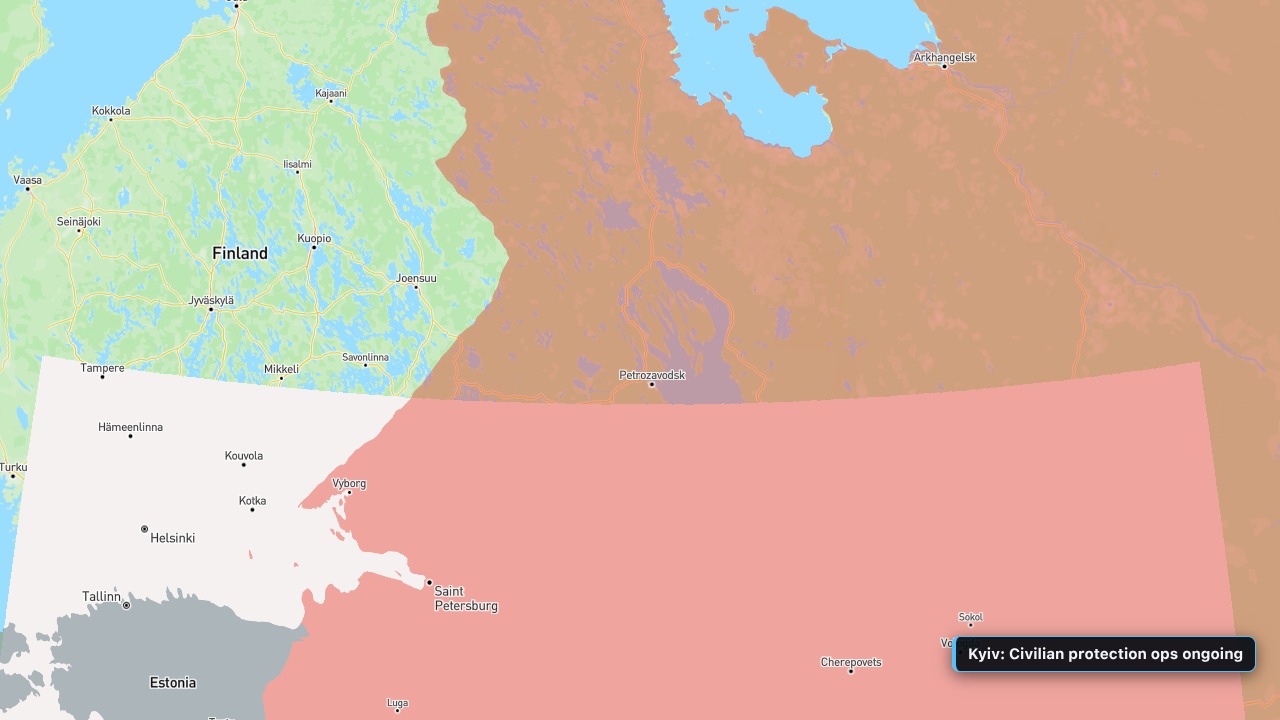
Russian Tu-95MS strategic bombers conducted patrol flights over the Barents Sea and Norwegian Sea on September 16, with no engagement or incident reported. These flights represent routine strategic reconnaissance and posturing operations by Russian long-range aviation. The operation maintains Russian presence in the high north and signals continued operational readiness of strategic aviation assets despite ongoing commitments to the Ukraine campaign. Such flights typically occur independent of tactical developments in the Ukrainian theater.
- Ukrainian General Staff reports 278 combat engagements on day 1666 of the war. Russia conducted 106 airstrikes
- Ukrainian Armed Forces General Staff honors emergency rescue workers (DESNZ) killed protecting civilians under
- Russian Tu-95MS strategic bombers conducted patrol flights over the Barents Sea and Norwegian Sea. No engageme
What to watch
Monitor for Saudi confirmation or denial of Houthi F-15 claim; such confirmation would signal capability escalation in Yemeni air defense. Track Iranian response posture following Al-Azraq intercept operation. In Ukraine, observe whether reported 7,000+ daily drone deployment rate reflects production surge or reporting anomaly, and monitor casualty claims regarding rescue workers. Watch for additional strategic bomber operations by Russia in Arctic regions and any escalatory response from NATO air defense assets.