USS Abraham Lincoln completes 265-day deployment; Ukraine reports 1,689th day of sustained Russian strikes
Key developments
- USS Abraham Lincoln completed 265-day Middle East deployment with 103 UAV kills, 23 anti-ship missile intercepts, and 1,463 bombs deployed.
- Ukraine recorded 1,689 consecutive days of combat with 211 engagements; Russian forces conducted 83 airstrikes and deployed approximately 9,987 kamikaze drones on 9 October.
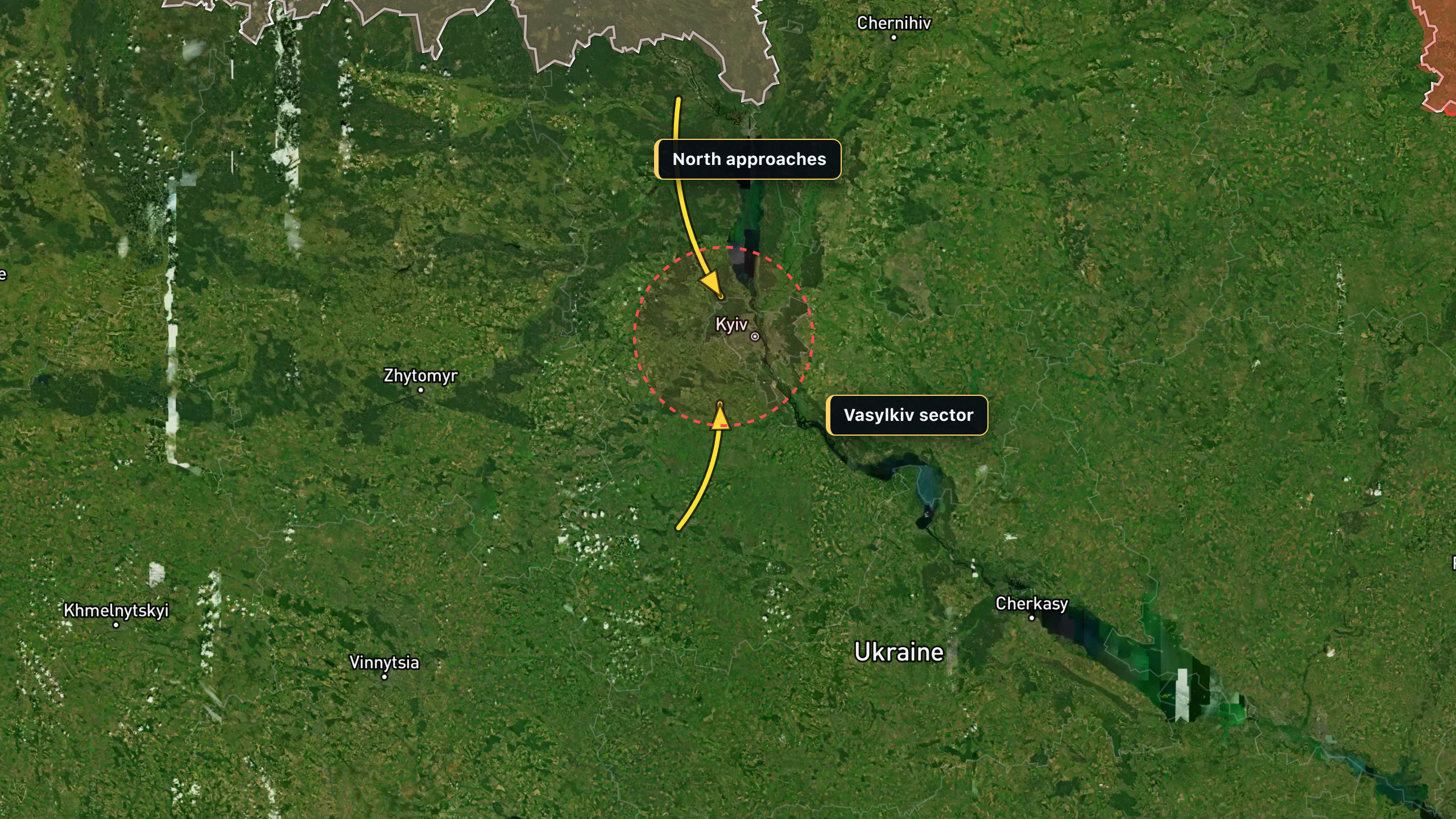
- Ukrainian air monitoring detected multiple Shahed and Geran-3 drone transits across Kyiv region, concentrating on northwestern approaches to the capital.
- Russian drone saturation tactics continue to challenge Ukrainian air defense despite documented interception rates, suggesting sustained production capacity.
- Carrier strike group deployment completion reflects U.S. strategic reorientation, though demonstrates continued naval presence requirement in contested Middle East waters.
Middle East 1 tracked events
The USS Abraham Lincoln carrier strike group concluded a 265-day deployment in Middle East operations, marking the completion of a sustained naval presence in the Arabian Sea region. Over the deployment period, the strike group recorded 103 unmanned aerial vehicle intercepts, 23 anti-ship missile engagements, and 10 submarine-class contacts. The carrier air wing executed 1,463 bomb deployments across the operational area. These figures reflect ongoing air defense operations and sustained strike capability maintenance in a region where multiple non-state actors and regional powers operate advanced maritime denial systems.
The scale of the Abraham Lincoln deployment's weapons employment reflects the operational tempo required to maintain freedom of navigation and air operations in contested waters. The destruction of 34 combat vessels during the deployment period indicates sustained engagement with hostile or threatening surface assets. The recorded intercepts of anti-ship missile systems align with known threat proliferation patterns in the region, where advanced maritime strike capabilities have become increasingly distributed among state and non-state actors over the past decade.
The completion of this 265-day deployment represents standard rotation cycles for U.S. carrier operations in the Middle East, a region where continuous or near-continuous naval presence has been maintained since the early 2000s. The shift of carrier strike groups from this theater reflects broader strategic realignment toward Pacific operations, though the demonstrated defensive and strike capabilities during the deployment underscore the enduring naval competition over regional sea lanes and chokepoints.
Ukraine 12 tracked events
Ukrainian forces recorded the 1,689th day of continuous combat operations, with 211 reported engagements across all front sectors on 9 October. Russian forces conducted 83 separate airstrikes employing 243 guided bombs and deployed approximately 9,987 kamikaze drones against Ukrainian positions and civilian areas. Russian forces also fired an unspecified number of artillery and missile strikes, though the General Staff summary text was truncated in available reporting. This operational tempo aligns with documented Russian strategy of sustained attrition through drone saturation and precision strike campaigns.
Ukrainian air defense monitoring tracked multiple Shahed-type drone transits across the Kyiv metropolitan region and surrounding oblasts during the reporting period. Detected drone activity concentrated on northwestern approaches to Kyiv, with individual and paired drone contacts reported over Obukhiv, Vasylkiv, Irpin, Hostomel, Bucha, Vyshhorod, and Borodianka. Several faster Geran-3 jet-powered drone variants were detected in transit toward Bila Tserkva district and the Vasylkiv area. Drone activity in the Chornobyl Exclusion Zone area suggests routing around primary air defense concentrations.
The distribution of detected drone transits across multiple locations and the mix of slower Shahed-type and faster Geran-3 variants indicates continued Russian reliance on saturation tactics to degrade Ukrainian air defense effectiveness. The persistence of drone activity despite sustained Ukrainian air defense operations reflects both Russian drone production capacity and the challenge of achieving comprehensive air defense coverage across dispersed geographic areas. The 9,987 daily drone figure represents near-peak operational deployment rates sustained over an extended period.
- General Staff operational summary (Day 1689): 211 combat engagements across all fronts. Russia conducted 83 ai
- Ukrainian air monitoring: 1 Russian Shahed-type drone circling over Obukhiv.
- Ukrainian air monitoring: 1 Russian jet-powered Shahed (Geran-3) drone over Vasylkiv.
- Ukrainian air monitoring: 1 Russian Shahed-type drone over Chornobyl Exclusion Zone; 1 Russian Shahed-type dro
- Ukrainian air monitoring: 1 Russian Shahed-type drone over Vyshhorod; 1 Russian Shahed-type drone over Borodia
- Ukrainian air monitoring: 2 Russian Shahed-type drones over Hostomel.
What to watch
Monitor whether the Abraham Lincoln departure signals adjustments to U.S. Middle East carrier rotation schedules or reflects broader rebalancing toward Indo-Pacific operations. Track Russian drone production sustainability given reported daily deployment rates of approximately 10,000 units and whether Ukrainian air defense effectiveness metrics show degradation or stabilization. Observe Kyiv region drone activity patterns for indication of Russian targeting priorities and whether northwestern approaches remain primary ingress vectors. Watch for Ukrainian damage assessments from sustained drone attacks to gauge cumulative effects of Russian saturation campaigns.