Anduril's ALTIUS-700 loitering munition completes autonomous targeting test from helicopter
What happened
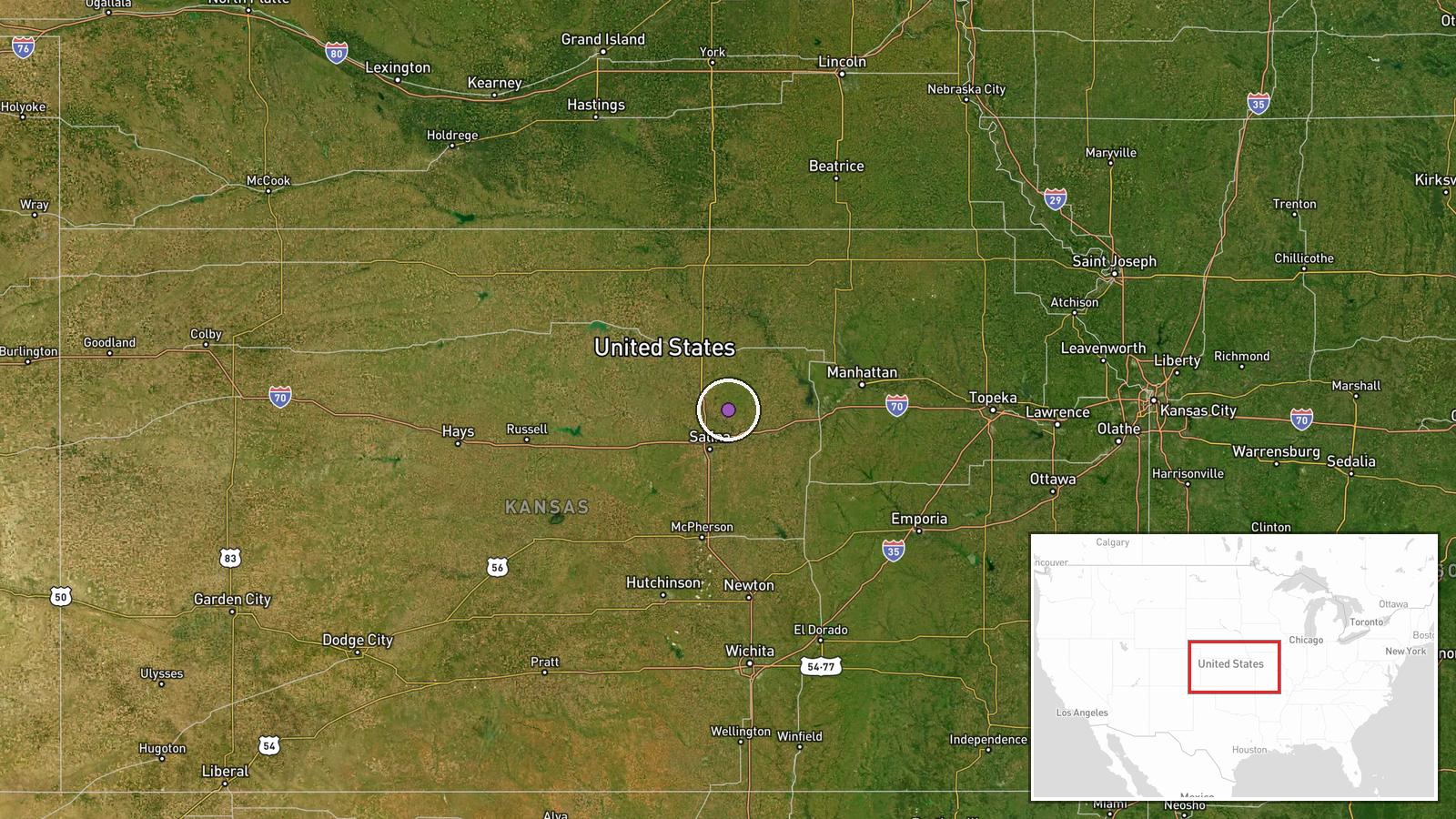
Anduril Industries conducted a test of its ALTIUS-700 loitering munition system at Fort Riley, Kansas on September 1, 2026. The autonomous drone was launched from a Black Hawk helicopter with rocket assistance. According to the report, the system autonomously identified targets and transmitted data for attack execution during the testing phase. The test represents a demonstration of the system's autonomous targeting and data-transmission capabilities.
Context and assessment
The ALTIUS-700 is part of a broader shift toward autonomous loitering munition systems by Western militaries and defense contractors. Such systems aim to extend range, reduce pilot workload, and enable rapid target engagement through onboard artificial intelligence. Testing at Fort Riley, a major U.S. Army installation in Kansas, suggests integration toward potential operational deployment or procurement by U.S. forces. The autonomous targeting capability described represents a significant development in unmanned weapons technology, though the operational implications and deployment timeline remain unclear from available reporting.
Sources and confidence
The report originates from a single source: X account @ConflictTR, which cited Anduril Industries' development of the system. No independent cross-confirmation from U.S. military or official Anduril statements is present in available reporting. The confidence score of 6.0 reflects a single-source report on a credible defense contractor's announced capability, though the autonomous targeting claims would benefit from independent verification or official statement.
Location
Fort Riley, Kansas, United States. The location is determined from event reporting; Fort Riley is a major U.S. Army installation in northeastern Kansas, home to the 1st Infantry Division. The base is situated in an open, sparsely populated region suitable for weapons testing and aerospace operations. No specific sub-location within Fort Riley is provided.
▶ View this event on the live map
Intel Mapper aggregates open-source reports from monitored Telegram and X channels, geolocates them, cross-checks duplicates across sources and assigns a confidence score. Entries are updated as new confirmations arrive. Read how we verify events.