Medvedev warns NATO of mutual nuclear targeting amid escalation rhetoric
What happened
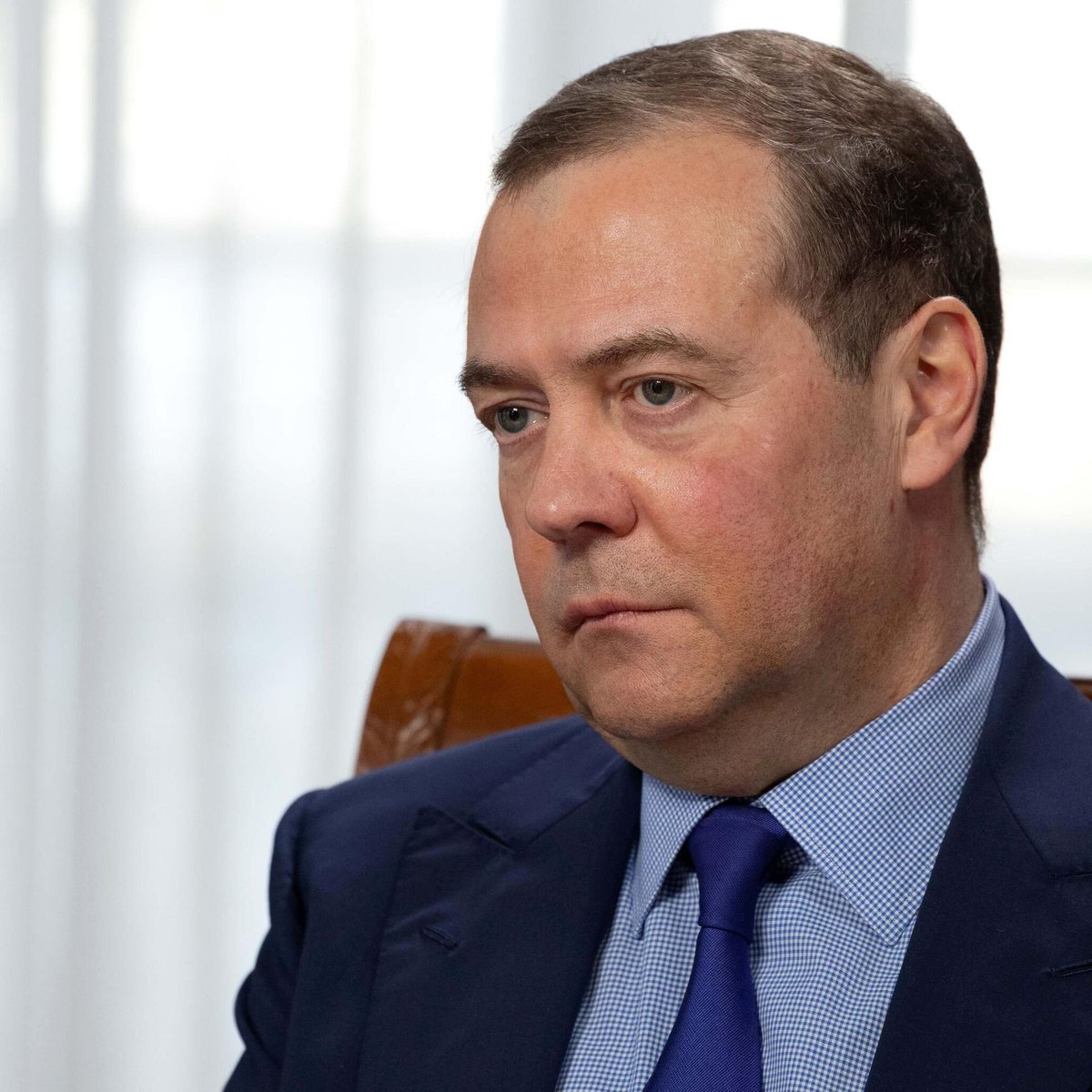
Dmitry Medvedev, Russian Security Council Deputy Chair, stated on X that Russian and NATO missiles are now aimed at each other's cities. The statement was reported by conflict monitoring channels on September 10. Medvedev framed the claim as a fait accompli of current military positioning, without specifying which NATO locations or systems he referenced.
Context and assessment
The statement reflects an intensification in Russian nuclear rhetoric over a 24-hour period. On the same day, Medvedev issued two related warnings: one characterizing NATO expansion as a direct military threat with Russian missiles targeted at NATO cities, and another emphasizing Russia's need to maintain great-power status through nuclear deterrence. Russian Foreign Minister Lavrov separately invoked pre-World War I historical parallels and escalation risks. Together, these statements suggest a coordinated messaging effort to signal nuclear readiness and deter NATO support for Ukraine, though they do not indicate a change in declared Russian military posture. Such rhetoric typically accompanies periods of heightened tension or attempts to influence diplomatic calculations.
Sources and confidence
Reported by X account @ConflictTR. Single-source reporting limits independent verification of the exact statement content and context. Confidence score of 6.0 reflects that the statement's authenticity cannot be cross-checked against multiple independent outlets. Confidence would increase with corroboration from Russian state media or Western news agencies covering the original post; it would decrease if the quoted text is shown to be incomplete or mistranslated.
Location
Moscow, Russia. Statement issued from the Russian capital, where Medvedev holds office as Security Council Deputy Chair. Moscow is the seat of the Russian Federation government and the origination point for official Russian policy statements, though this message was delivered via social media rather than formal diplomatic channels.
Related events nearby
- Ukrainian source reports expanding geographic scope of strikes on Russian territory, affecting increasing numb2026-09-10 12:54 UTC · Statement · Moscow, Russia
- Russian Security Council Deputy Chair Medvedev reiterates Russia must maintain great-power status to survive, 2026-09-10 09:57 UTC · Statement · Moscow, Russia
- Medvedev warns NATO that Russia views NATO expansion as a direct military threat; claims Russian missiles are 2026-09-10 09:21 UTC · Statement · Moscow, Russia
- Russian FM Lavrov warns of escalation risks comparable to pre-WWI tensions, invoking the Archduke Ferdinand as2026-09-09 16:41 UTC · Statement · Moscow, Russian Federation
▶ View this event on the live map
Intel Mapper aggregates open-source reports from monitored Telegram and X channels, geolocates them, cross-checks duplicates across sources and assigns a confidence score. Entries are updated as new confirmations arrive. Read how we verify events.