Iranian ballistic missiles damage U.S. aircraft at Jordanian air base
What happened
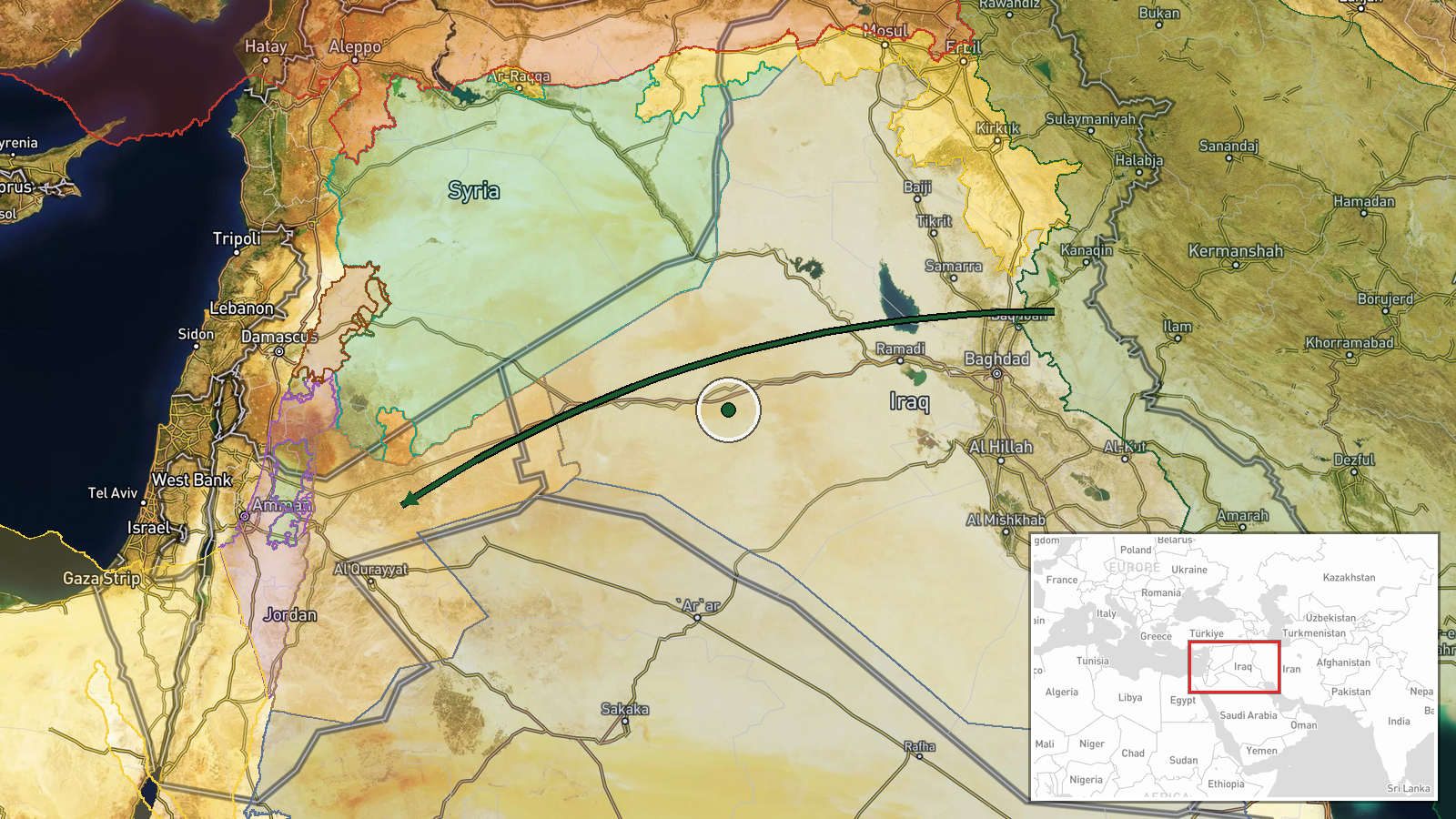
Iran launched ballistic missiles at Muwaffaq Salti Air Base in Zarqa, Jordan, reportedly causing damage to U.S. aircraft stationed there. According to CBS News via X, the strike struck the base where American fighter jets are positioned. A related report indicates eight F-15 fighters sustained light damage and one A-10 was affected in the overnight Tuesday-Wednesday strike. The attack represents a direct Iranian strike against U.S. regional military assets.
Context and assessment
Muwaffaq Salti Air Base hosts U.S. combat aircraft central to operations across the Levant and broader Middle East. The base's significance makes it a recurring Iranian target amid escalating regional tensions. This strike follows Jordan's formal condemnation of repeated Iranian attacks as sovereignty violations, suggesting a pattern of Iranian ballistic missile operations against the kingdom. Concurrently, Israeli and Iranian statements reflect deepening military posturing, with Israeli officials threatening further strikes. The estimated scale of Iranian salvos—requiring 60–100 interceptor launches costing approximately $500 million—underscores operational intensity and potential strain on air defense resources.
Sources and confidence
CBS News reported the incident via X (@ConflictTR). Single-source reporting limits independent cross-confirmation; confidence score of 6.0 reflects reliance on one channel. Related events from the same date corroborate the base as target and timeframe. Confirmation from U.S. or Jordanian military statements, satellite imagery, or additional international outlets would strengthen confidence significantly.
Location
Muwaffaq Salti Air Base is located in Zarqa Governorate, central Jordan, approximately 30 kilometers northeast of Amman. The base sits on the Jordanian plateau in a strategically central position, making it a hub for U.S. air operations. High geo-precision places it at coordinates 31.83°N, 36.78°E, within settled terrain near the city of Zarqa.
Related events nearby
- Iranian ballistic missiles struck Muwaffaq Salti Air Base in Jordan overnight Tuesday-Wednesday. Eight U.S. F-2026-09-10 02:46 UTC · Airstrike · Muwaffaq Salti Air Base, Zarqa, Jordan
- Jordan's Foreign Ministry condemns repeated Iranian attacks on the Hashemite Kingdom as violations of state so2026-09-09 15:24 UTC · Statement · Amman, Jordan
- Analysis: Iranian ballistic missile salvo during recent attack required estimated 60–100 Patriot interceptor l2026-09-10 09:28 UTC · Statement · Amman, Jordan
- Al-Suwayda Governor Mustafa Al-Bakour announces readiness to facilitate the return of displaced residents to t2026-09-09 17:33 UTC · Humanitarian Aid · Al-Suwayda City, Al-Suwayda Governorate, Syria
- Israeli Defense Minister Moshe Katz threatens potential third military strike on Iran to counter Iranian threa2026-09-09 16:45 UTC · Statement · Jerusalem, Israel
▶ View this event on the live map
Intel Mapper aggregates open-source reports from monitored Telegram and X channels, geolocates them, cross-checks duplicates across sources and assigns a confidence score. Entries are updated as new confirmations arrive. Read how we verify events.