Russian drone strikes residential building in Zaporizhzhia Oblast
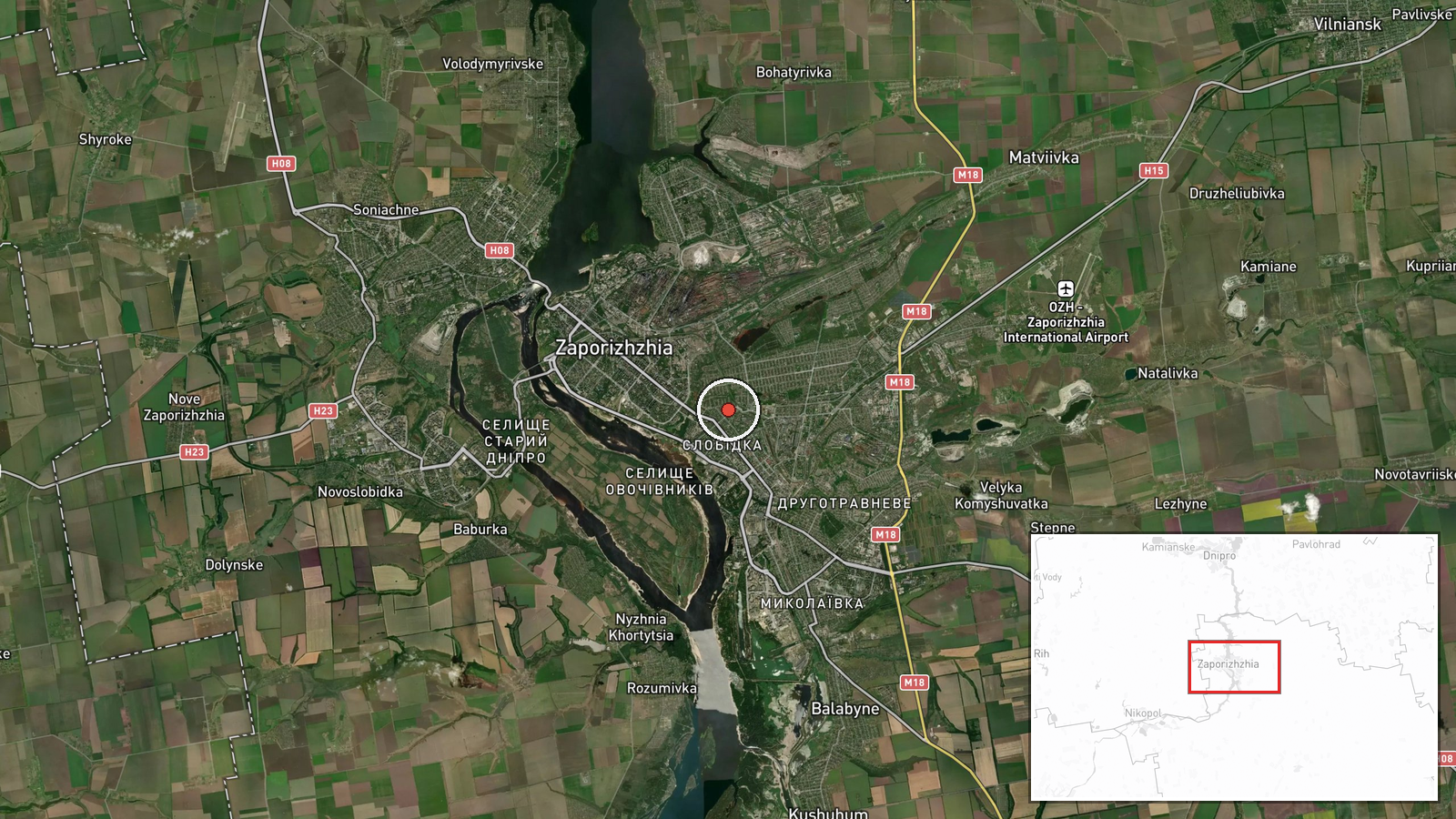
What happened
A Russian unmanned aerial vehicle struck a residential building in Zaporizhzhia Oblast on the evening of September 10, according to a report from the X account ConflictTR. The report provided limited immediate detail, with specific damage and casualty figures pending confirmation. The strike occurred as part of wider Russian drone operations across central and eastern Ukraine on the same date.
Context and assessment
Zaporizhzhia Oblast has remained a persistent target of Russian drone and missile strikes throughout the conflict, situated near contested front lines and containing critical infrastructure. This strike follows a pattern of Russian attacks on civilian areas documented throughout September 10, including a reported Shahed-136 strike on a shopping center in nearby Pavlohrad that killed at least three people and wounded over thirty. Ukrainian air defense networks had tracked multiple Shahed-136 drones transiting Dnipropetrovsk Oblast earlier that day, suggesting a coordinated wave of strikes across the region. Such operations typically aim to degrade morale and strain Ukrainian air defenses.
Sources and confidence
Reported by X account ConflictTR, a single-source report with no cross-confirmation noted. Confidence score of 6.0 reflects the limited sourcing and pending damage assessment. Confirmation from Ukrainian official channels or independent verification would increase confidence. Additional reporting on casualties or structural damage would lower uncertainty.
Location
The strike targeted a residential building in Zaporizhzhia Oblast at coordinates 47.833°N, 35.167°E, representing exact precision mapping. The oblast lies in southeastern Ukraine, comprising industrial and agricultural areas between the Dnieper River and the Russian border. The region includes the regional capital Zaporizhzhia city and extends toward the Sea of Azov.
Related events nearby
- Russian Shahed-136 kamikaze drones struck a shopping center in Pavlohrad, Ukraine, killing 3 people and injuri2026-09-10 15:22 UTC · UAS Strike · Pavlohrad, Dnipropetrovsk Oblast, Ukraine
- Ukrainian air defense monitoring reports Russian Shahed-136 jet-powered kamikaze drone detected transiting ove2026-09-10 13:58 UTC · Drone Transit · Dnipropetrovsk Oblast, Ukraine
- One Russian Shahed-136 jet-powered kamikaze drone detected transiting Dnipropetrovsk Oblast toward Kryvyi Rih.2026-09-10 11:55 UTC · Drone Transit · Kryvyi Rih, Dnipropetrovsk Oblast, Ukraine
▶ View this event on the live map
Intel Mapper aggregates open-source reports from monitored Telegram and X channels, geolocates them, cross-checks duplicates across sources and assigns a confidence score. Entries are updated as new confirmations arrive. Read how we verify events.