Iran's Tasnim News Agency declares southern Strait of Hormuz route closed despite US pressure
What happened
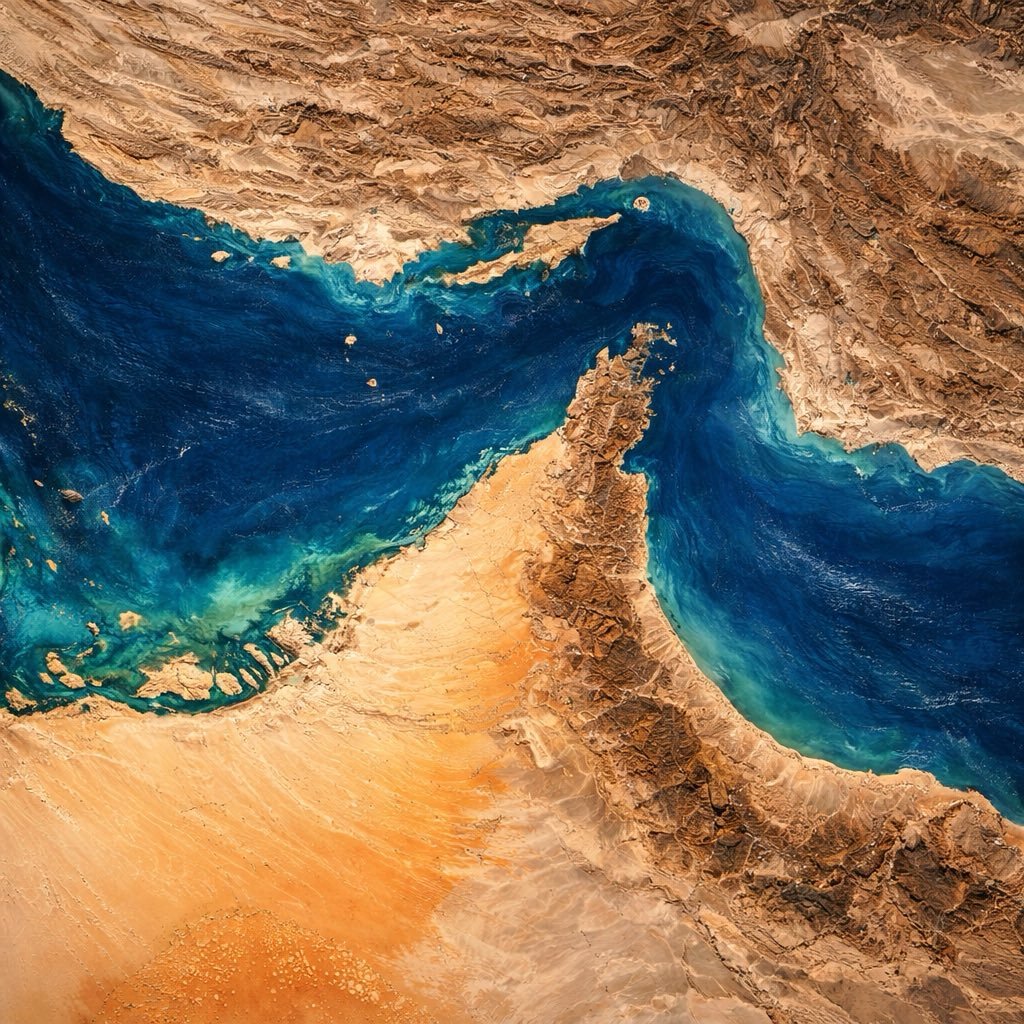
Iran's Tasnim News Agency announced on September 12 that the southern maritime route through the Strait of Hormuz will remain closed despite pressure from the United States. The statement, reported via X (@ConflictTR), represents an official Iranian position on control of one of the world's most critical shipping corridors. The announcement came amid broader Iranian diplomatic activity regarding alternative maritime arrangements.
Context and assessment
The Strait of Hormuz, through which roughly one-third of global seaborne oil passes, has long been a flashpoint in US-Iran tensions. Iran's declared closure of the southern route signals hardening positions as diplomatic efforts appear stalled. This statement follows Iran's Foreign Ministry announcement of a separate meeting in Oman to establish maritime routes via an Iran-Oman memorandum of understanding, suggesting Tehran is pursuing alternative frameworks. Iranian parliamentary statements on the same day rejecting negotiations without preconditions indicate a coordinated messaging campaign. The announcement may reflect Iranian efforts to assert control over regional maritime chokepoints and signal resolve to domestic audiences amid escalating tensions.
Sources and confidence
Reported by Tasnim News Agency via X account @ConflictTR on September 12, 2026. Single-source reporting limits independent verification. Confidence score of 6.0 reflects official Iranian agency attribution but absence of corroborating international sources. Confirmation from regional maritime authorities or secondary Iranian outlets would strengthen confidence. Contradictory statements from US or Gulf state officials would lower it.
Location
The Strait of Hormuz, located between Iran and Oman at approximately 26°N, 56°E, connects the Persian Gulf to the Gulf of Oman. The 'southern route' referenced typically denotes traffic patterns through deeper waters south of Iranian territorial claims. The strait is the world's most critical oil transit chokepoint and strategically vital to global energy security.
Related events nearby
- Houthi releases lengthy combat footage from new military operation 'And Allah is Stronger in Might and Punishm2026-09-12 18:26 UTC · Statement ·
- United Kingdom reaffirms solidarity with Saudi Arabia against Houthi attacks, expressing continued support for2026-09-12 18:19 UTC · Statement ·
- Houthi spokesperson threatens to target Saudi oil infrastructure and halt exports through Suez Canal if region2026-09-12 17:55 UTC · Statement ·
- Turkey's Foreign Ministry announces that the U.S. decision to lift the arms embargo on the Republic of Cyprus 2026-09-12 17:02 UTC · Statement ·
- Iran's Foreign Ministry Spokesperson Baghaei announces Monday meeting in Oman to establish temporary safe mari2026-09-12 14:38 UTC · Diplomacy · Tehran, Iran
▶ View this event on the live map
Intel Mapper aggregates open-source reports from monitored Telegram and X channels, geolocates them, cross-checks duplicates across sources and assigns a confidence score. Entries are updated as new confirmations arrive. Read how we verify events.