NATO chief Rutte condemns Russian attack on Ukrainian passenger train, pledges increased support
What happened
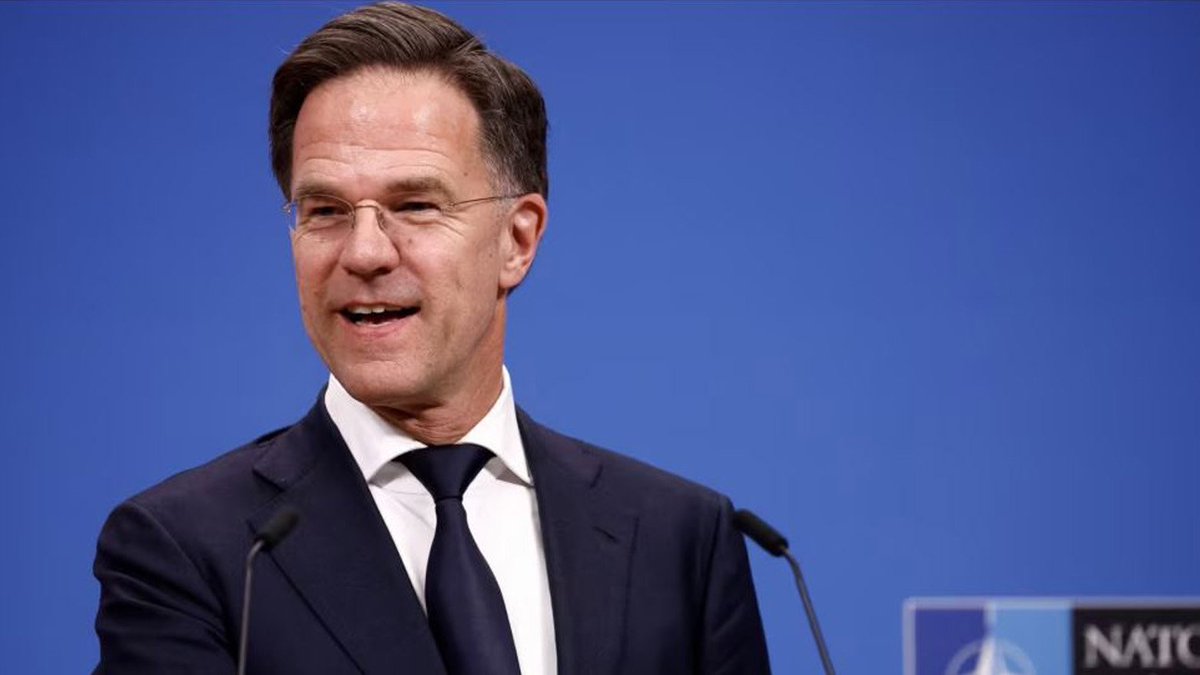
NATO Secretary General Mark Rutte issued a statement on September 14 condemning a Russian attack on a Ukrainian passenger train that occurred the previous day. Speaking from NATO headquarters in Brussels, Rutte characterized the strike as evidence of Russian President Putin's desperation and rejected any notion that such attacks could coerce NATO into withdrawing military assistance to Ukraine. Rutte declared that NATO's response would be to increase rather than reduce support to Kyiv.
Context and assessment
Attacks on civilian rail infrastructure represent a longstanding Russian tactic targeting Ukrainian transportation networks and civilian movement. Such strikes often aim to disrupt logistics, impose psychological pressure on the civilian population, and signal strength to domestic audiences. Rutte's statement reflects NATO's assessment that Russian military pressure, including strikes on civilian targets, has intensified as battlefield conditions have evolved. The explicit rejection of coercion attempts and commitment to expanded assistance indicates NATO leadership views Russian desperation as a sign of strategic disadvantage rather than strength, potentially signaling intent to sustain or escalate Western military commitments regardless of Russian escalatory rhetoric.
Sources and confidence
The statement was reported via X (formerly Twitter) by the Conflict Turkey account on September 14. The report consists of a single source and derives from publicly available statements by NATO's official communications. Confidence is moderate (6.0/10) because the statement itself is authentic and attributable, but the underlying claim about a specific Russian attack on a passenger train depends on separate corroboration not included in this event data. Cross-confirmation of the referenced attack would strengthen confidence.
Location
NATO Headquarters, Brussels, Belgium. Rutte delivered this statement from the alliance's principal administrative center, located in central Brussels. The statement is a diplomatic communication rather than reporting on a specific attack location; it addresses Russian actions in Ukraine more broadly.
▶ View this event on the live map
Intel Mapper aggregates open-source reports from monitored Telegram and X channels, geolocates them, cross-checks duplicates across sources and assigns a confidence score. Entries are updated as new confirmations arrive. Read how we verify events.