Israel and Greece conduct joint naval exercises in Eastern Mediterranean
What happened
Israel and Greece carried out coordinated naval exercises in the Eastern Mediterranean on September 17, according to reporting from conflict monitoring channels. The drills reportedly included crew exchanges between vessels and training scenarios designed to prepare personnel for emergency situations. No specific details regarding participating units, vessel types, or exercise scope were provided in available reports.
Context and assessment
Joint Israeli-Greek naval activity in the Eastern Mediterranean reflects ongoing regional security coordination amid broader tensions. Greece and Israel have progressively deepened defense ties over the past decade, particularly through naval and air force cooperation. Such exercises typically serve multiple purposes: building interoperability between allied forces, demonstrating coordinated presence in contested waters, and maintaining readiness against potential maritime threats. The Eastern Mediterranean remains strategically significant due to energy resources, shipping lanes, and competing claims by regional actors.
Sources and confidence
Report sourced from X (@ConflictTR), a Turkish conflict monitoring account. Single-source reporting limits independent verification; no corroboration from Israeli, Greek, or international defense sources was identified. Confidence score of 6.0 reflects the basic factuality of the report balanced against limited source diversity and lack of official confirmation. Cross-confirmation from NATO or regional military statements would substantially increase confidence.
Location
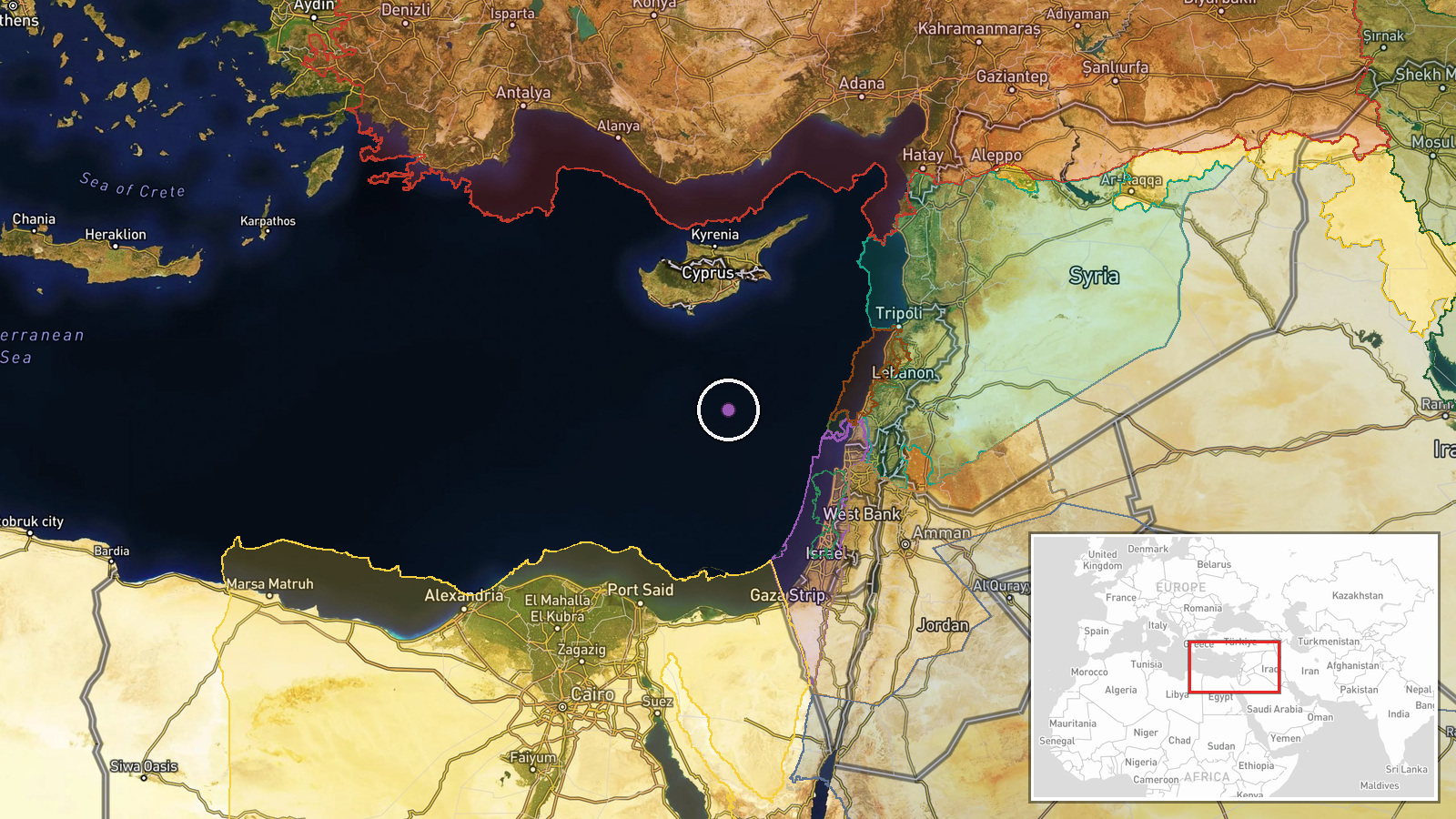
Eastern Mediterranean Sea, designated at regional precision (approximately 33.5°N, 33.5°E). The exact location of exercises was not specified; coordinates represent the general Eastern Mediterranean region. This area encompasses waters between Greece, Cyprus, Turkey, and the Levantine coast, a strategically important zone for maritime traffic and regional naval operations.
▶ View this event on the live map
Intel Mapper aggregates open-source reports from monitored Telegram and X channels, geolocates them, cross-checks duplicates across sources and assigns a confidence score. Entries are updated as new confirmations arrive. Read how we verify events.