Iran conducts ballistic missile strikes on U.S. base in Kuwait; footage released
What happened
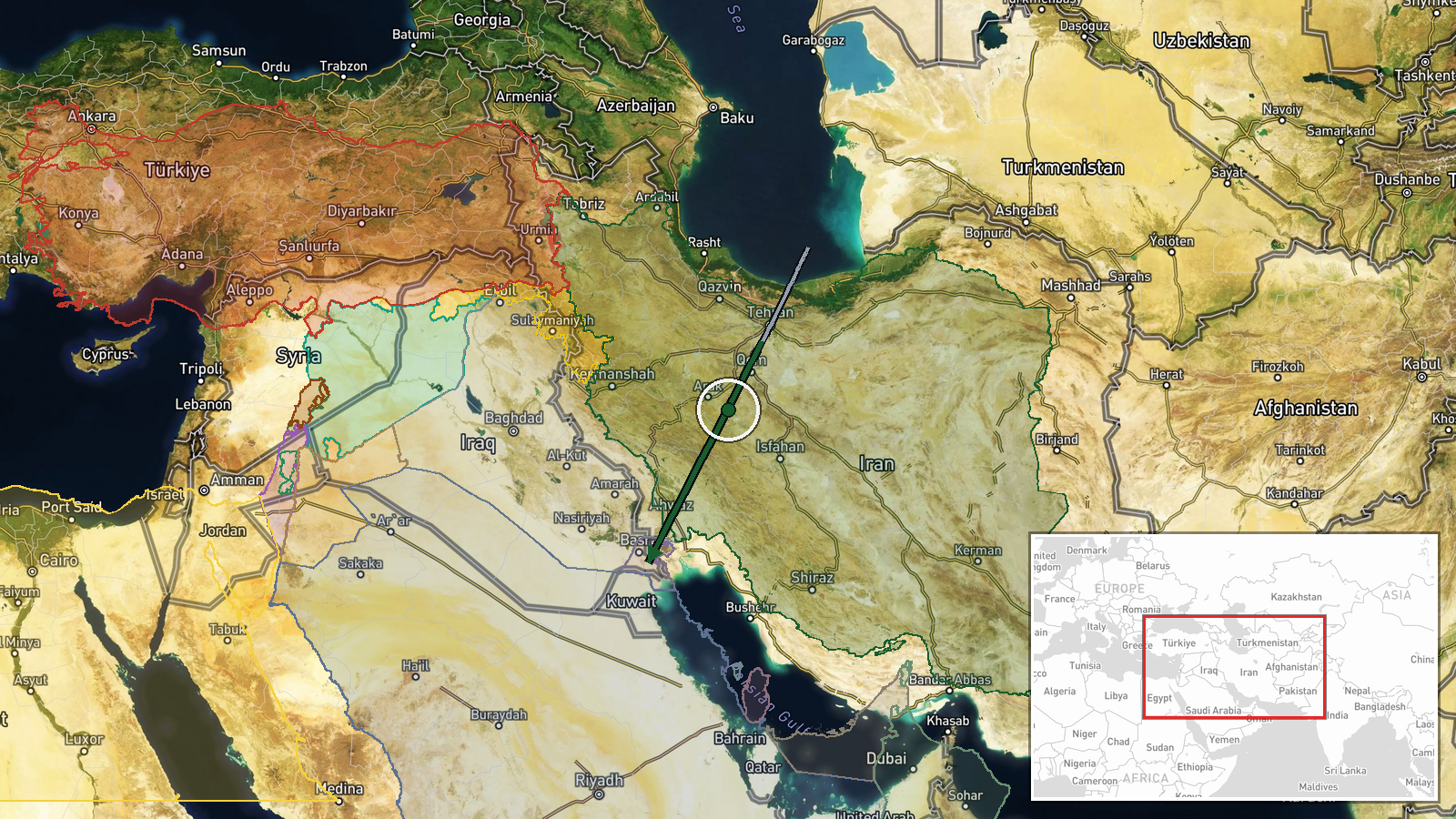
Iran carried out ballistic missile strikes against Al-Jahrah Air Base in Kuwait on September 19, 2026. Meidas News released video footage documenting the results of the attack. The report emerged via X (formerly Twitter) and does not specify casualty figures or detailed damage assessments beyond the released imagery. This represents a direct Iranian attack on a U.S. military installation in the Persian Gulf region.
Context and assessment
Al-Jahrah Air Base serves as a key U.S. military facility in Kuwait, hosting coalition air operations and personnel. The strike follows reported Iranian airstrikes on the same base the previous day, September 18, which reportedly damaged hardened bunkers and airfield infrastructure. This escalation pattern suggests a sustained Iranian campaign against U.S. military infrastructure in the Gulf, potentially signaling an intensification of regional tensions. Such attacks on established bases represent a significant operational escalation and may indicate Iranian intent to degrade U.S. air capabilities or project power in response to regional developments.
Sources and confidence
Single-source reporting via X (@ConflictTR), citing Meidas News release of attack footage. No independent cross-confirmation from other major open-source intelligence channels or official U.S. military statements noted in provided data. Confidence score of 6.0 reflects the single source; corroboration from additional channels or official acknowledgment would substantially increase confidence. Video evidence supports reporting but does not independently verify timing or Iranian attribution.
Location
Al-Jahrah Air Base is located approximately 40 kilometers northwest of Kuwait City in northwestern Kuwait. The base coordinates place it in the Al-Jahrah Governorate, a strategic location near the Iraq-Kuwait border. The facility sits on relatively flat desert terrain typical of the Kuwaiti interior, making it accessible to both air and land-based threats.
Related events nearby
- Iranian airstrikes reportedly destroyed structures at a US military base in Kuwait, including hardened bunkers2026-09-18 20:54 UTC · Airstrike · US Military Base, Kuwait
▶ View this event on the live map
Intel Mapper aggregates open-source reports from monitored Telegram and X channels, geolocates them, cross-checks duplicates across sources and assigns a confidence score. Entries are updated as new confirmations arrive. Read how we verify events.