Russia strikes Kosmonova data center in Kyiv, reportedly targeting Starlink military link
What happened
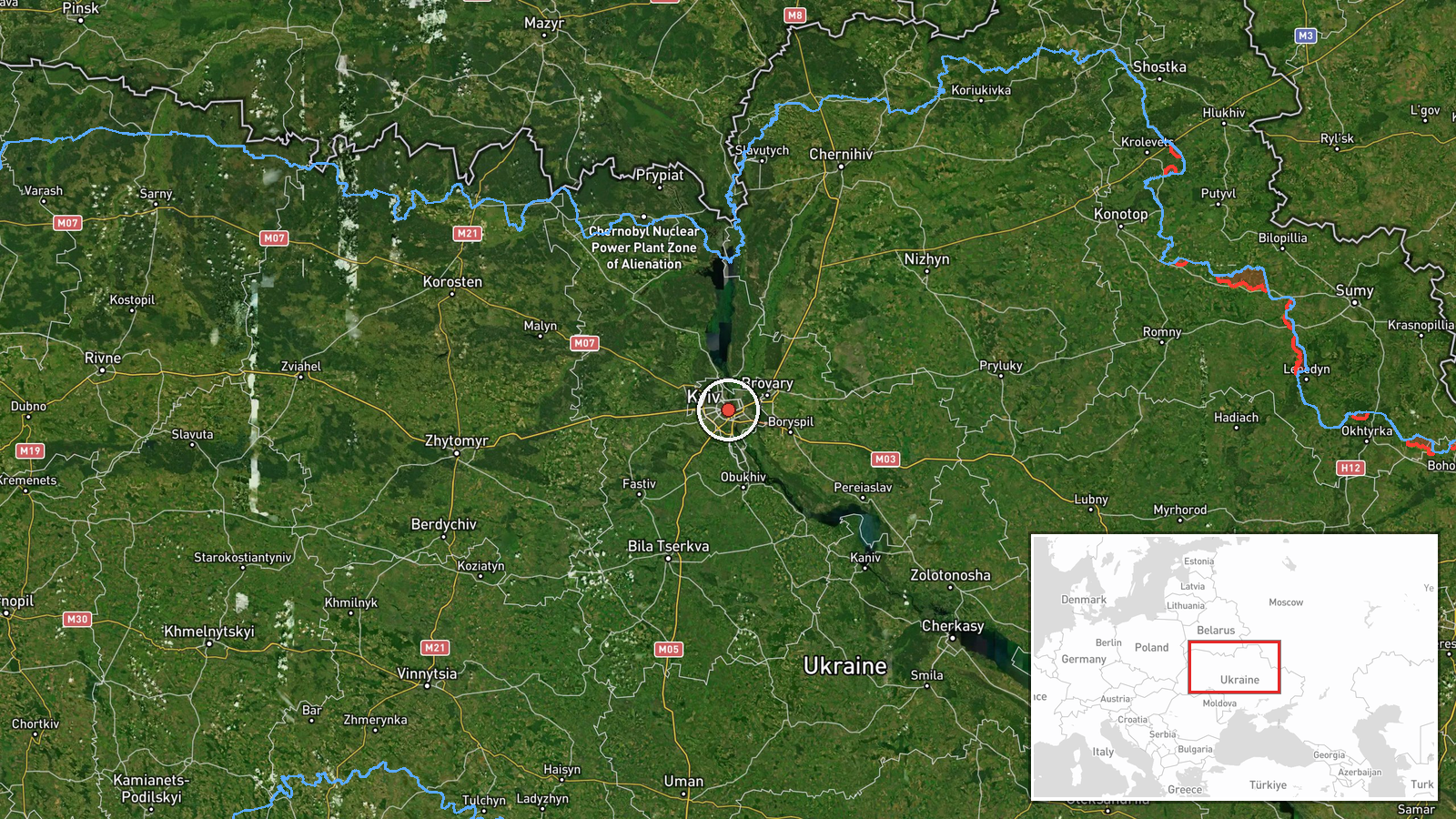
Russian forces conducted an airstrike on the Kosmonova data center in Kyiv on 26 September at approximately 10:20 UTC, according to a report from X (@ConflictTR). The facility is reportedly used to support Ukrainian military communications via Starlink satellite connectivity. The strike occurred amid an ongoing pattern of Russian air operations against Kyiv, including multiple kamikaze drone attacks on the city in recent days.
Context and assessment
Critical information infrastructure in Kyiv has become a recurring target as Russia seeks to degrade Ukrainian command-and-control networks. The Starlink satellite system has proven operationally significant for Ukrainian forces, providing communications resilience independent of terrestrial networks. This strike follows a 25 September statement by Ukrainian intelligence warning of preparations for a major Russian strike campaign, and occurs within a broader sequence: Ukrainian air defenses intercepted 134 attack drones on 26 September morning alone, yet individual strike packages apparently continued reaching the capital. The targeting pattern suggests Russia continues prioritizing disruption of Ukrainian military digital infrastructure despite sustained air defense losses.
Sources and confidence
Single source via X (@ConflictTR), a Turkish-language conflict monitoring account. No cross-confirmation from Ukrainian official channels, NATO intelligence summaries, or independent verification noted. Confidence score of 6.0 reflects reporting from a monitored but unconfirmed single channel. Independent confirmation by Ukrainian SBU, DSNS, or NATO would substantially increase confidence. Detailed damage assessment or impact claims would require additional sourcing.
Location
Kosmonova data center, Kyiv city proper (50.4501°N, 30.5234°E). Located within the eastern administrative bounds of Ukraine's capital. Determined to settlement-level precision. Kyiv remains under sustained Russian air pressure from multiple launch areas including Bryansk, Kursk, Belgorod, and Crimea.
Related events nearby
- One Russian Shahed-136 reactive (jet-propelled) kamikaze drone detected transiting from Bryansk Oblast toward 2026-09-26 06:03 UTC · Air Defense · Kyiv, Ukraine
- Ukrainian air defenses successfully intercepted/destroyed 134 Russian attack drones (173 launched: Shahed, Ger2026-09-26 05:22 UTC · Air Defense · Kyiv, Ukraine
- Ukrainian intelligence indicates preparations for a major strike campaign using drones and missiles against Ru2026-09-25 17:53 UTC · Statement · Kyiv, Ukraine
- Russian kamikaze drone attacks on Kyiv result in 7 killed and 57 wounded. Ukrainian air defense responded to m2026-09-25 17:44 UTC · Siren · Kyiv, Ukraine
- One Russian Shahed-136 reactive (jet-propelled) kamikaze drone detected transiting over Pankivshchyna/Nova Zab2026-09-26 02:14 UTC · Drone Transit · Pankivshchyna/Nova Zabudova, Kyiv, Ukraine
▶ View this event on the live map
Intel Mapper aggregates open-source reports from monitored Telegram and X channels, geolocates them, cross-checks duplicates across sources and assigns a confidence score. Entries are updated as new confirmations arrive. Read how we verify events.