US Treasury Secretary says Iran has ~15 million barrels of oil left in floating storage
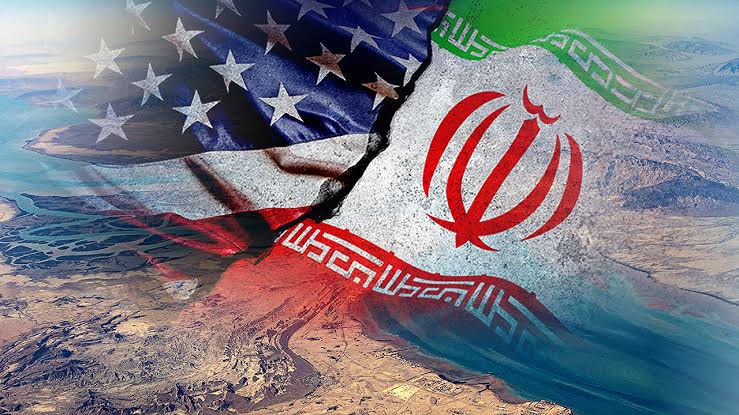
What happened
US Treasury Secretary Bessent stated on 27 September that Iran holds approximately 15 million barrels of crude oil remaining in floating storage on the water. According to his remarks, Iran will complete its final oil deliveries to China within the next two weeks, after which the inventory will be exhausted. The statement was made in Washington, D.C., and reported via social media.
Context and assessment
Iran has relied on floating storage to circumvent international sanctions and maintain crude exports to China, its primary buyer. The depletion of these reserves would represent a significant constraint on Iran's ability to conduct covert oil sales outside formal channels. Bessent's statement suggests US intelligence visibility into Iranian oil logistics and storage capacity. This assessment arrives as broader US sanctions pressure on Iran's energy sector continues, limiting Tehran's conventional export infrastructure and forcing reliance on shadow tanker fleets. The timing coincides with other US statements regarding Iranian negotiations over regional tensions.
Sources and confidence
Reported via X account @ConflictTR on 27 September citing Treasury Secretary Bessent. Single-source attribution limits independent verification of the precise barrels figure and timeline. Confidence of 6 reflects official US government sourcing but lack of corroboration from secondary outlets or Iranian sources. Confirmation by additional US officials or Iranian acknowledgment of storage depletion would strengthen confidence.
Location
Washington, D.C., USA, the location of the US Treasury Department headquarters and the point of origin for the statement. The oil reserves referenced are held in floating storage at sea, location unspecified, likely in the Persian Gulf or Strait of Hormuz vicinity based on typical Iranian logistics patterns.
Related events nearby
- US forces stationed at British military bases have elevated alert levels. No specific threat details provided 2026-09-27 16:12 UTC · Statement · Washington, D.C., USA
- US Treasury Secretary Janet Yellen states that Iran claims it will open the Strait of Hormuz if a deal is reac2026-09-27 15:42 UTC · Statement · Washington, D.C., USA
▶ View this event on the live map
Intel Mapper aggregates open-source reports from monitored Telegram and X channels, geolocates them, cross-checks duplicates across sources and assigns a confidence score. Entries are updated as new confirmations arrive. Read how we verify events.