U.S. Defense Secretary claims control of Strait of Hormuz, says Iran unable to move goods
What happened
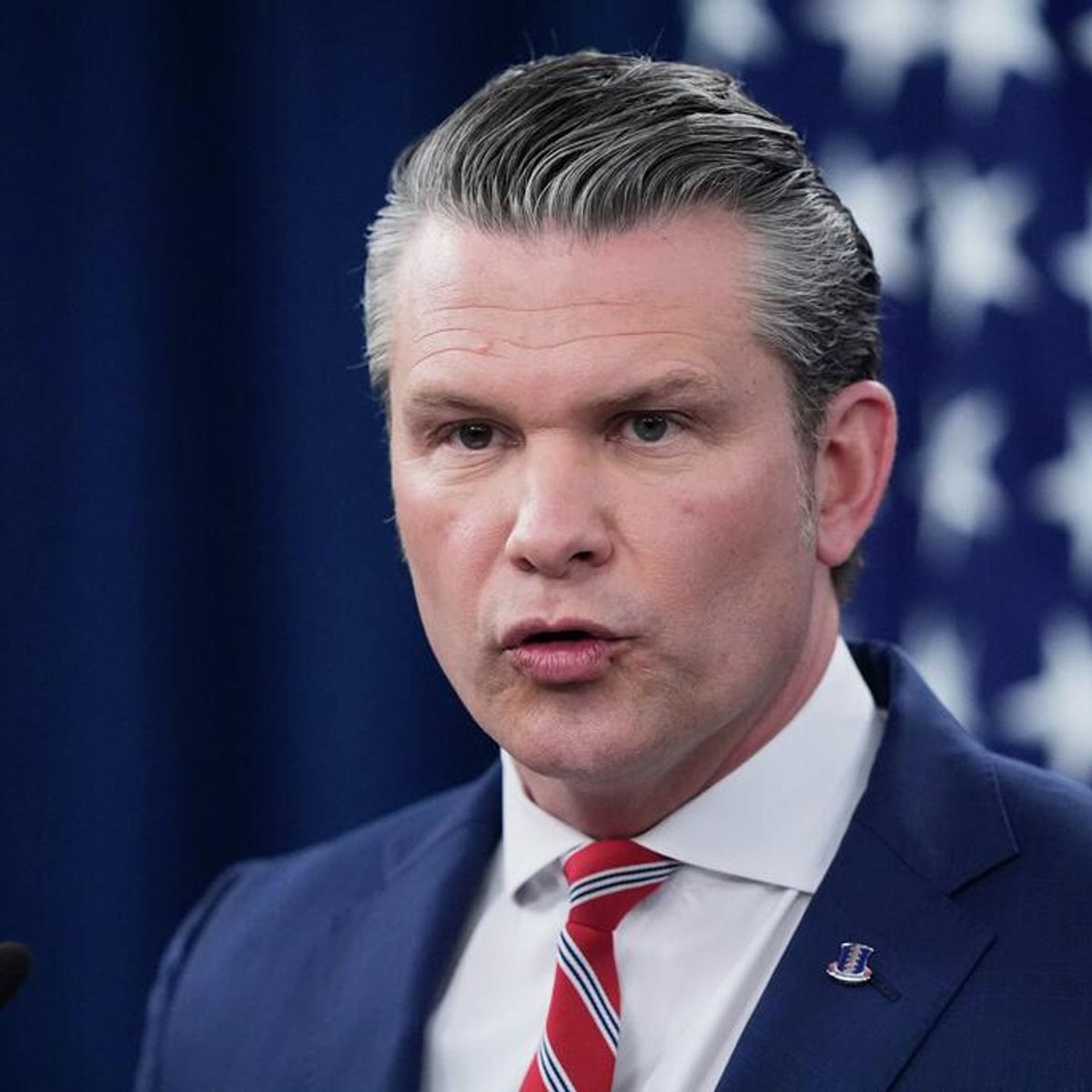
U.S. Secretary of Defense Pete Hegseth asserted in a statement that the United States controls the Strait of Hormuz and that Iran cannot move anything through the waterway. Hegseth framed Iranian efforts to operate in the strait as futile, claiming a U.S. blockade prevents Iranian passage. The statement was posted on X and reported by conflict monitoring channels on October 3, 2026.
Context and assessment
The Strait of Hormuz, between Iran and Oman, is one of the world's most critical chokepoints for global oil trade. Hegseth's statement reflects an intensifying rhetorical posture toward Iran, occurring alongside other U.S. statements on October 3 regarding Iranian nuclear intentions and diplomatic expulsions. The claim of total U.S. control suggests the Trump administration is publicly emphasizing naval superiority in the Persian Gulf and may signal preparation for sustained pressure on Iranian maritime and economic activity. Such assertions typically accompany increased naval operations or blockade enforcement, though the statement itself provides no operational details.
Sources and confidence
Reported by X account @ConflictTR on October 3, 2026. Single-source reporting limits confirmation. The confidence score of 6.0 reflects that the statement itself is authentic (Hegseth's position is known), but the veracity of the operational claims—particularly regarding blockade effectiveness—cannot be independently verified from this source alone. Confirmation from U.S. Central Command or independent maritime monitoring would strengthen confidence.
Location
Statement attributed to Washington, D.C., where the U.S. Secretary of Defense operates. The statement's subject matter concerns the Strait of Hormuz in the Persian Gulf, located between Iran and Oman, approximately 5,500 km southeast of Washington. The geographic precision is low because the statement originates from an official in the U.S. capital but addresses maritime control of a distant strategic waterway.
Related events nearby
- President Trump states Iran has 'virtually given up any plans of a nuclear weapon,' signaling a shift in U.S. 2026-10-03 21:19 UTC · Statement · Washington, D.C., USA
- President Trump announces a decision regarding Iran, stating it will be resolved 'the easy way or the hard way2026-10-03 21:14 UTC · Statement · Washington, D.C., USA
- U.S. expelled two Iranian diplomats from New York after they ignored State Department orders to depart followi2026-10-03 19:48 UTC · Statement · Washington, D.C., USA
- US Secretary of Defense Pete Hegseth declares the United States controls the Strait of Hormuz, not Iran, asser2026-10-03 19:19 UTC · Statement · Washington, D.C., USA
- US Defense Secretary Pete Hegseth threatens Iran with military action if it does not surrender nuclear/strateg2026-10-03 19:17 UTC · Statement · Washington, D.C., USA
▶ View this event on the live map
Intel Mapper aggregates open-source reports from monitored Telegram and X channels, geolocates them, cross-checks duplicates across sources and assigns a confidence score. Entries are updated as new confirmations arrive. Read how we verify events.