Russian strikes reported during Merz's Kyiv visit as Moscow issues evacuation warnings
What happened
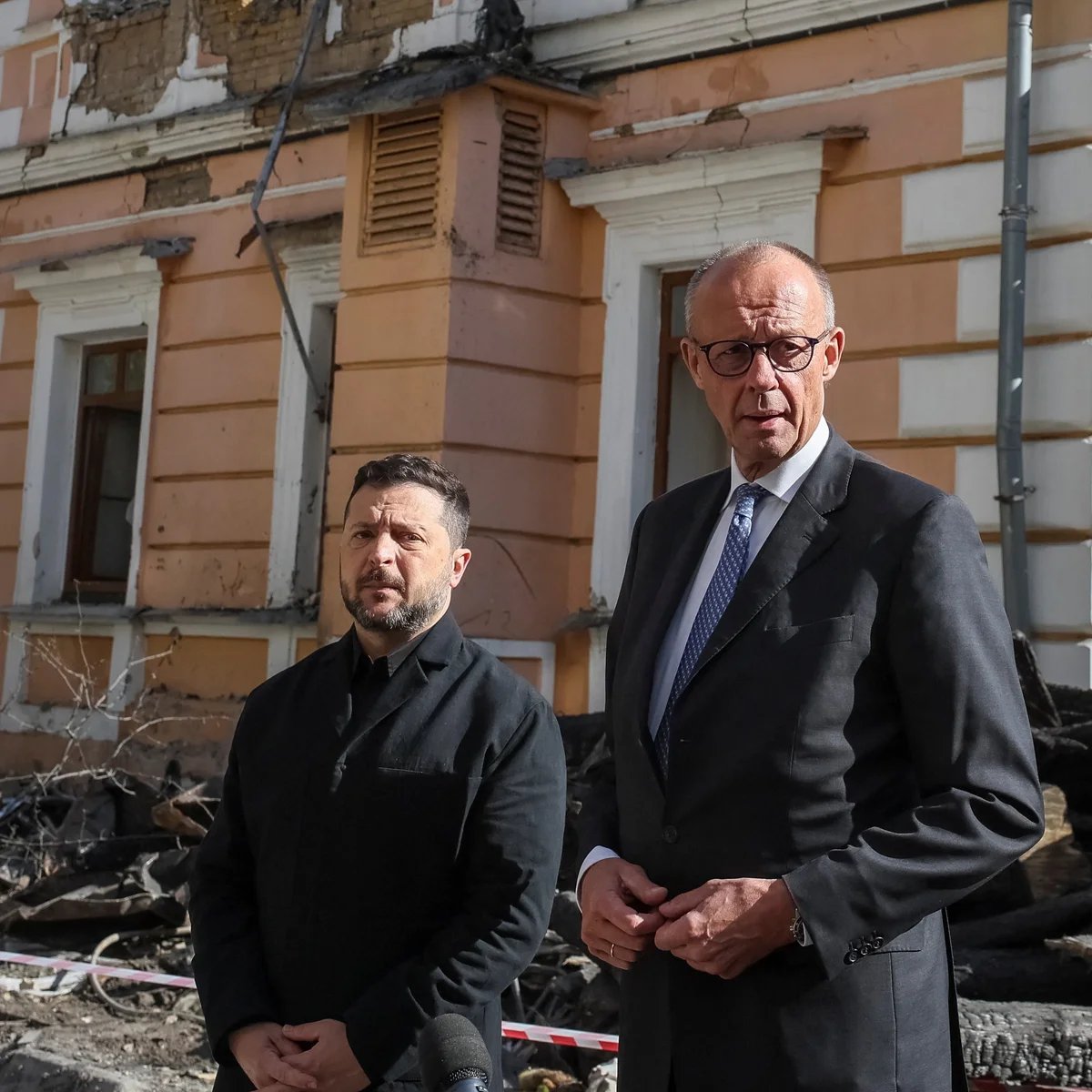
According to a report circulated on X, Russian military conducted strikes on Kyiv while German Chancellor Olaf Merz was visiting the city for diplomatic talks with President Zelensky. The timing coincides with a Russian Foreign Ministry warning issued to foreign diplomats and residents to evacuate Kyiv, with threats of systematic attacks on military targets. The report provides limited detail on the nature or scale of the strikes.
Context and assessment
The reported strikes during a high-level German diplomatic visit underscore Russia's pattern of military pressure during international engagement with Ukraine. Merz's visit represents significant European support for Kyiv at a potential diplomatic juncture. Russia's simultaneous evacuation warnings and hardline statements from the Kremlin—including Peskov's declaration to fight for every piece of Donetsk and rejection of territorial concessions—suggest a coordinated messaging campaign rejecting negotiation. This follows a large-scale Ukrainian drone attack on Moscow reported the previous evening, indicating intensifying mutual strikes. The timing may signal Russian intent to demonstrate resolve and military capability rather than openness to talks.
Sources and confidence
Reported by @ConflictTR on X; single source with low location confidence. No independent cross-confirmation of strike details provided. Confidence score of 6.0 reflects the isolated source and vague reporting. Corroboration from Ukrainian officials, independent media, or multiple channels would substantially raise confidence. Specific details on targets, weapons used, or damage would lower current uncertainty.
Location
Kyiv, Ukraine's capital. The report references strikes on the city itself without specifying particular districts or targets. Kyiv's location in north-central Ukraine, approximately 100km south of the Belarus border, makes it a recurring target for Russian long-range strikes. The city hosts government, military, and diplomatic infrastructure.
Related events nearby
- Kremlin Spokesman Peskov declares Russia will fight for every piece of Donetsk, rejecting any negotiation or t2026-10-04 10:42 UTC · Statement · Moscow, Russia
- Russian Foreign Ministry warns foreign diplomats and Kyiv residents to evacuate the city, threatening systemat2026-10-04 10:37 UTC · Statement · Moscow, Russia
- Large-scale Ukrainian drone attack reported targeting Moscow. Details on impact, casualties, and intercepted d2026-10-03 20:19 UTC · UAS Strike · Moscow, Russia
- Deputy head of Russia's Security Council Dmitry Medvedev reaffirms Russia-Iran strategic partnership, stating 2026-10-03 20:04 UTC · Statement · Moscow, Russia
- Russia urges foreign nationals and embassies to leave Ukraine; pledges to continue large-scale strike campaign2026-10-03 14:47 UTC · Statement · Moscow, Russia
▶ View this event on the live map
Intel Mapper aggregates open-source reports from monitored Telegram and X channels, geolocates them, cross-checks duplicates across sources and assigns a confidence score. Entries are updated as new confirmations arrive. Read how we verify events.