Turkish Air Force conducts coordinated Aegean operations with fighters and UAVs
What happened
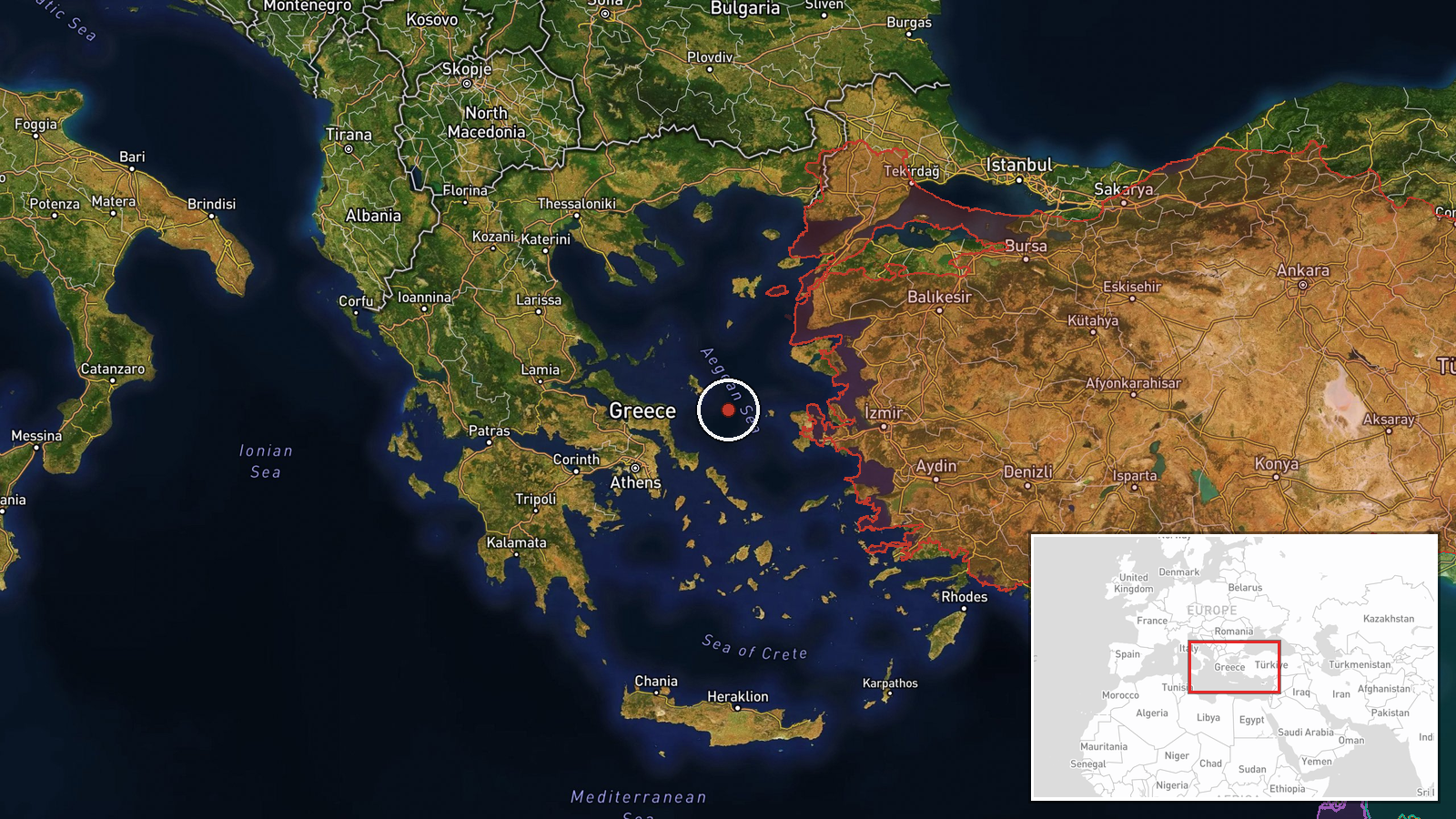
Turkish Air Force assets conducted coordinated operations over the Aegean Sea on Tuesday, reportedly involving seven aircraft operating in the northeastern and southeastern sectors. The reported composition included two armed F-16 fighter jets, one CN-235 reconnaissance aircraft, and four unmanned aerial vehicles operating together. Greek media outlet Kathimerini reported the activity, citing the multi-platform coordination across disputed airspace.
Context and assessment
The Aegean Sea remains a zone of persistent friction between Greece and Turkey, with both nations conducting regular air operations and surveillance missions. Turkish air activities in the region typically combine reconnaissance and fighter coverage—a pattern consistent with maintaining air presence over contested waters or monitoring Greek positions. The use of multiple asset types suggests coordinated training or operational readiness exercise rather than response to a specific incident. Such operations are routine but sensitive given ongoing disputes over territorial waters and airspace demarcation, where both nations maintain competing claims.
Sources and confidence
Single source report from Greek media Kathimerini via X (@ConflictTR). No cross-confirmation from Turkish military statements or independent verification channels identified. Confidence score of 6.0 reflects single-source reporting and lack of official corroboration. Confirmation from Turkish defense ministry or multiple independent observers would strengthen confidence; contradictory reports from Greek military would lower it.
Location
Aegean Sea region between Greece and Turkey, specifically noted as northeastern and southeastern sectors. Precise coordinates unavailable; location confidence marked low due to regional rather than site-specific reporting. The Aegean lies between mainland Greece and Turkey's western coast, encompassing numerous Greek islands and disputed maritime boundaries.
▶ View this event on the live map
Intel Mapper aggregates open-source reports from monitored Telegram and X channels, geolocates them, cross-checks duplicates across sources and assigns a confidence score. Entries are updated as new confirmations arrive. Read how we verify events.