Lavrov says Russia accepted U.S. proposals at Alaska summit, dismisses European pressure claims
What happened
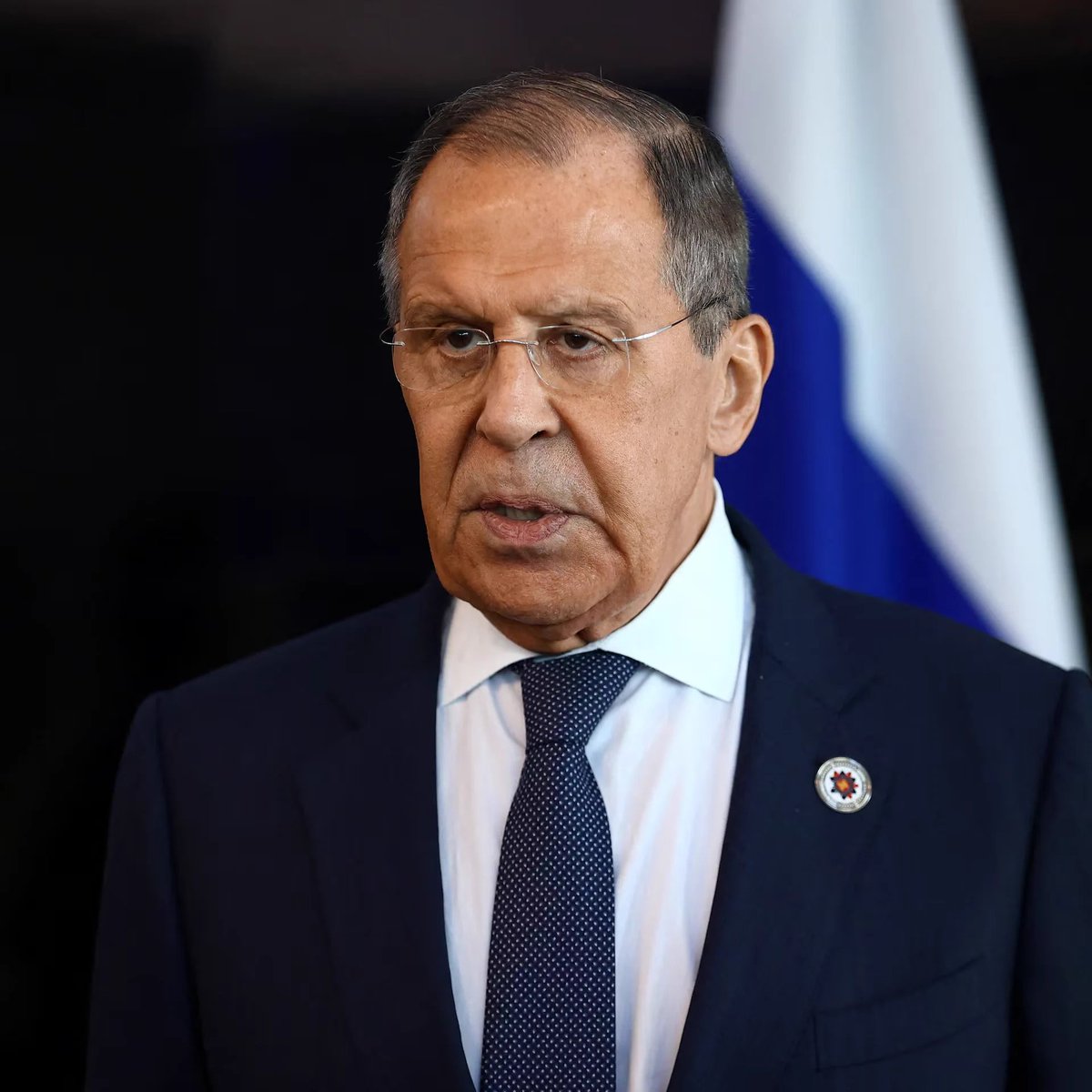
Russian Foreign Minister Sergey Lavrov stated on October 7 that Russia accepted U.S. proposals during a summit held in Alaska. Lavrov characterized U.S. pressure on Europe as an American responsibility rather than a Russian failing, rejecting the implication that Moscow bears responsibility for European security tensions. The statement was reported via social media and reflects ongoing diplomatic exchanges between Moscow and Washington.
Context and assessment
The Alaska summit reference appears to indicate recent high-level U.S.-Russia diplomatic engagement, occurring amid broader tensions over European security architecture and NATO. Lavrov's framing—that U.S. pressure on Europe reflects American strategy rather than Russian actions—echoes Moscow's consistent position that Western encroachment, not Russian ambition, drives regional instability. The timing coincides with other Russian statements on October 7, including Kremlin commentary on French military posture and North Korean expressions of solidarity with Putin, suggesting a coordinated messaging effort. Lavrov's statement may signal Moscow's willingness to engage diplomatically while rejecting responsibility for European security concerns.
Sources and confidence
Reported by X account @ConflictTR on October 7, 2026. Single-source reporting from social media limits independent verification. Confidence score of 6 reflects that the statement is attributed to a senior Russian official but lacks corroboration from official Russian government channels or international news agencies. Confirmation from Russian state media or direct official statements would raise confidence; additional independent reporting of summit outcomes would strengthen the assessment.
Location
Moscow, Russia. The statement originates from the Russian capital, where the Foreign Ministry is headquartered. Lavrov was commenting on diplomatic discussions held elsewhere (Alaska), but the statement itself was issued from Moscow. Precision is settlement-level based on institutional location.
Related events nearby
- Kremlin spokesperson Dmitriy Peskov characterizes France's ballistic missile test as a 'high-volume and clear 2026-10-07 12:14 UTC · Statement · Moscow, Russia
- North Korean leader Kim Jong-un sent a congratulatory letter to Putin on his 74th birthday, expressing solidar2026-10-07 08:16 UTC · Statement · Moscow, Russia
▶ View this event on the live map
Intel Mapper aggregates open-source reports from monitored Telegram and X channels, geolocates them, cross-checks duplicates across sources and assigns a confidence score. Entries are updated as new confirmations arrive. Read how we verify events.