US Treasury reports Iran halts crude oil tanker operations amid sanctions pressure
What happened
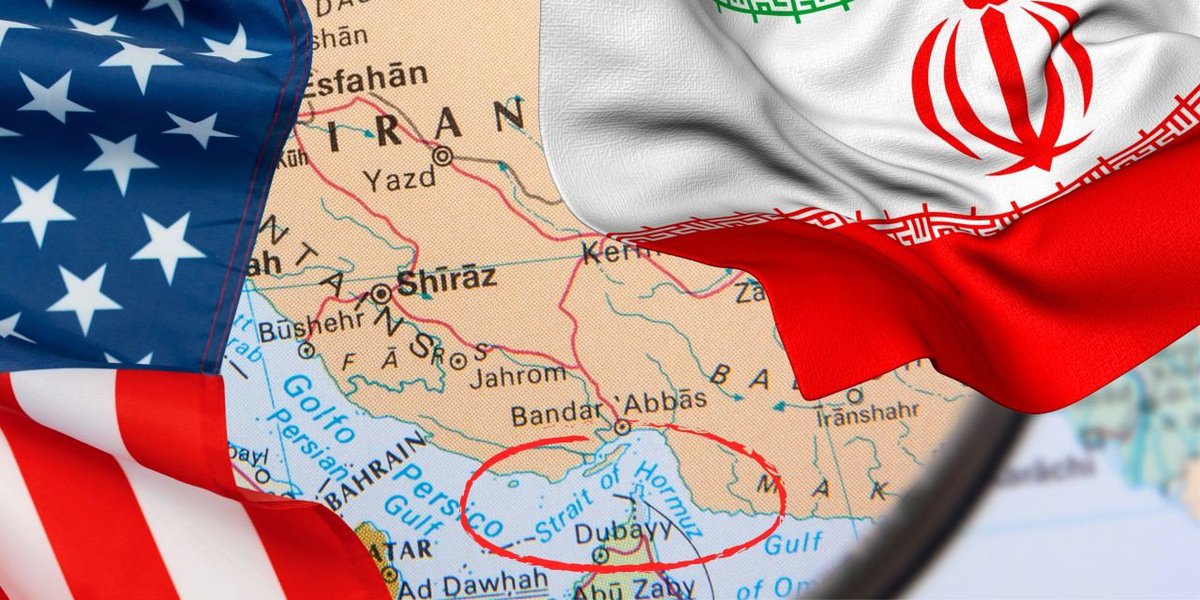
The US Treasury Department reported on October 8 that Iran has suspended crude oil tanker loading and unloading operations in response to international sanctions and blockade pressure. The announcement was conveyed through an official statement, though the specific circumstances triggering the operational halt were not detailed in the Treasury's public communication. The report indicates a significant disruption to Iranian oil export infrastructure.
Context and assessment
Iran's oil sector has long been a primary target of US economic sanctions, and any disruption to tanker operations represents a potential escalation in financial pressure on the Iranian government. This report comes amid a notably heightened rhetorical environment on October 8, with US officials issuing multiple warnings and diplomatic overtures within hours. The Treasury announcement follows Pentagon directives on combat readiness and presidential statements warning Iran against strikes on US cities, suggesting the tanker operation halt may reflect both existing sanctions regimes and responses to current regional tensions. The concurrent diplomatic engagement with Syria via special envoy channels indicates the US is pursuing both pressure and dialogue tracks simultaneously.
Sources and confidence
Reported by the US Treasury Department and circulated via X by the @ConflictTR account. Single-source reporting limits independent verification of operational details. Confidence score of 6.0 reflects official US government attribution but lack of corroborating independent confirmation. Cross-confirmation from Iranian officials or shipping data would substantially increase confidence.
Location
The report originates from Washington, D.C., where the US Treasury Department is headquartered. The tanker operations referenced are located at Iranian ports and shipping terminals along the Persian Gulf and Gulf of Oman, though no specific Iranian facility or coordinates are provided in the source material.
Related events nearby
- US President Trump warns Iran against striking major US cities, stating attacks on Los Angeles, San Diego, or 2026-10-08 16:20 UTC · Statement · Washington, D.C., USA
- US Special Envoy Tom Barrack posts statement on X emphasizing Syria's pivotal role in Middle East stability an2026-10-08 15:54 UTC · Statement · Washington, D.C., USA
- US President Trump escalates rhetoric on Iran, stating that strikes on major US cities like Los Angeles or San2026-10-08 15:09 UTC · Statement · Washington, D.C., USA
- Syrian Foreign Minister Asaad Shukri met U.S. Presidential Special Envoy Tom Barrack in Istanbul. Both sides d2026-10-08 12:59 UTC · Diplomacy · Washington, D.C., USA
- Pentagon instructed U.S. military to complete preparations for resuming large-scale combat operations in Iran,2026-10-08 12:10 UTC · Statement · Washington, D.C., USA
▶ View this event on the live map

Intel Mapper aggregates open-source reports from monitored Telegram and X channels, geolocates them, cross-checks duplicates across sources and assigns a confidence score. Entries are updated as new confirmations arrive. Read how we verify events.