Trump speculates on Iranian missile targeting of U.S. West Coast and Europe
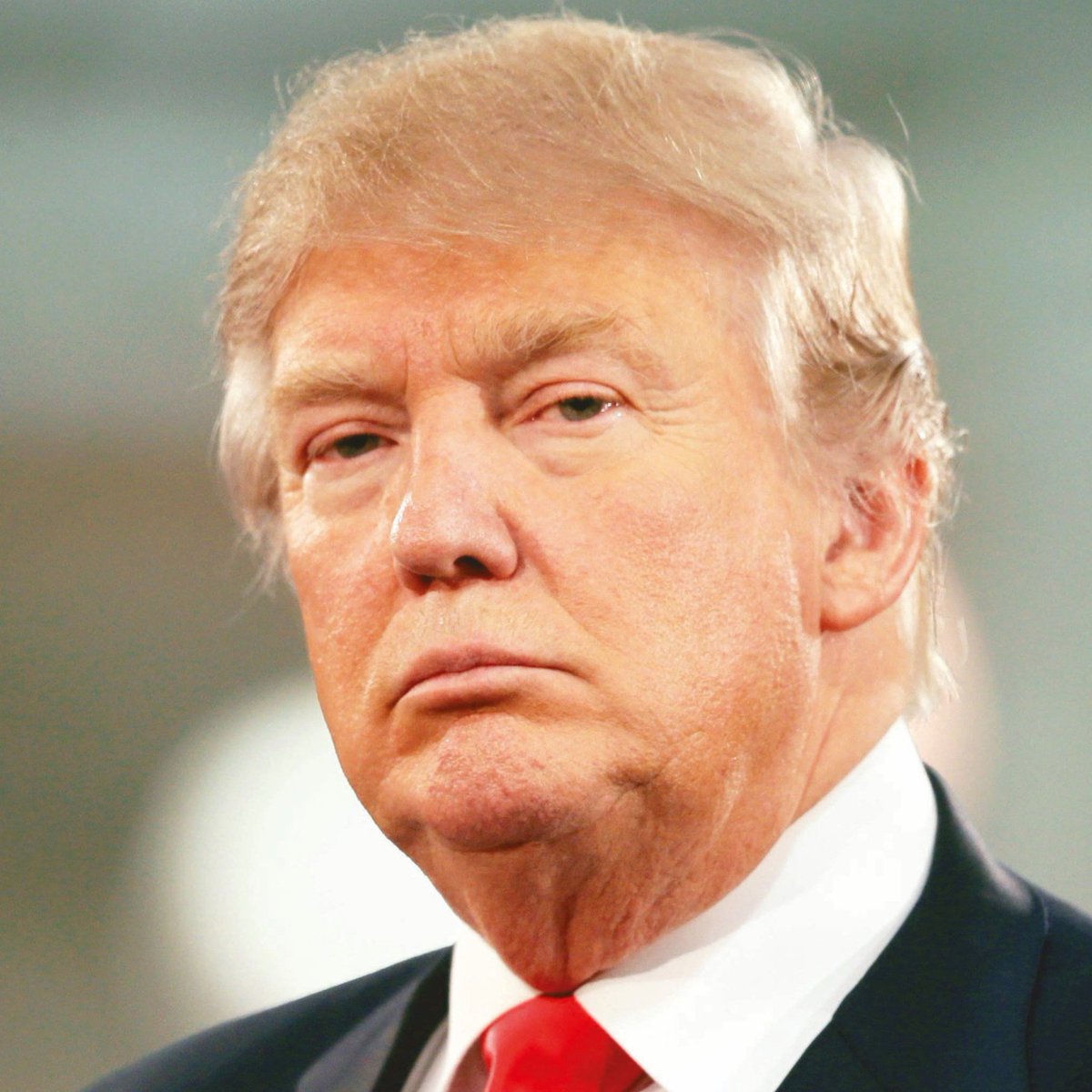
What happened
Former U.S. President Donald Trump stated that Iran would likely target U.S. cities including San Diego and Los Angeles rather than other American locations, citing more favorable missile flight paths. Trump also claimed Iran would probably strike Europe before the United States. The statement was made on social media and carries no operational intelligence confirmation. Trump also claimed separately that the U.S. had removed 28 million barrels of Iranian oil.
Context and assessment
The statement comes amid elevated U.S.-Iran tensions on October 9, 2026. On the same day, U.S. officials briefed Israeli military leadership on potential American military operations against Iran, signaling strategic coordination. The Wall Street Journal reported U.S. military preparations of strike options against Iran ahead of elections. Trump's remarks about Iranian targeting appear designed to shape public perception of Iranian capabilities and intentions during a period of active policy debate over Iran strategy. His claims about geographic advantages for Iranian missiles lack supporting operational detail and reflect political argumentation rather than intelligence assessment.
Sources and confidence
The statement was reported via X (formerly Twitter) by the @ConflictTR channel. It represents a single-source report with no cross-confirmation from other intelligence or media outlets. The confidence score of 6.0 reflects the absence of corroborating sources and the speculative nature of Trump's claims. Confirmation from additional credible defense or intelligence sources, or from Iranian official statements, would strengthen confidence.
Location
Washington, D.C., where Trump made the statement via social media. The remarks reference potential Iranian strikes against San Diego and Los Angeles on the U.S. West Coast, and unspecified European targets, but focus geographically on the location of political discourse rather than any actual incident site.
Related events nearby
- U.S. imposes sanctions on the International Criminal Court in response to its arrest warrant for Israeli Prime2026-10-09 16:25 UTC · Statement · Washington, D.C., United States
- Former U.S. President Donald Trump claimed the U.S. removed 28 million barrels of Iranian oil. The statement l2026-10-09 15:39 UTC · Statement · Washington, D.C., USA
- U.S. officials briefed Israeli Chief of Staff Eyal Zamir on potential U.S. military operations against Iran, s2026-10-09 12:12 UTC · Statement · Washington, D.C., United States
- US Senator Jon Ossoff condemns Israeli forces in Gaza for violations of international humanitarian law and arm2026-10-09 07:14 UTC · Statement · Washington, D.C., United States
- Wall Street Journal reports U.S. military preparing strike options against Iran and military operations ahead 2026-10-09 06:20 UTC · Statement · Washington, D.C., United States
▶ View this event on the live map

Intel Mapper aggregates open-source reports from monitored Telegram and X channels, geolocates them, cross-checks duplicates across sources and assigns a confidence score. Entries are updated as new confirmations arrive. Read how we verify events.