Smoke reported at Saudi Arabia's Gavar oil field; cause unclear
What happened
Smoke was reportedly observed rising from the Gavar oil field in eastern Saudi Arabia on October 10, 2026, according to a report circulating on X. Gavar is one of the world's largest petroleum reserves and a critical component of Saudi Arabia's oil production infrastructure. The source of the smoke, the extent of any damage, and whether an incident occurred remain unconfirmed. No immediate explanation for the report has been established.
Context and assessment
The Gavar field is a strategically vital asset; it ranks among the largest known oil reserves globally and supplies a significant share of Saudi crude output. The oil and gas infrastructure across the Arabian Peninsula has been subject to periodic reporting of incidents and attacks over recent years, reflecting regional tensions. If confirmed, any disruption at Gavar could have consequences for global oil markets and regional stability. However, without verification of the cause or damage assessment, the operational significance cannot yet be determined. Similar unverified reports from conflict zones often require days to confirm or refute.
Sources and confidence
The report originated from X account @ConflictTR. Only a single source has currently reported this incident, with no cross-confirmation from Saudi official statements, international news agencies, or competing open-source monitors. The low confidence score of 6.0 reflects the single-source nature and absence of verification. Confirmation from Saudi energy officials, satellite imagery analysis, or additional independent reports would significantly raise confidence.
Location
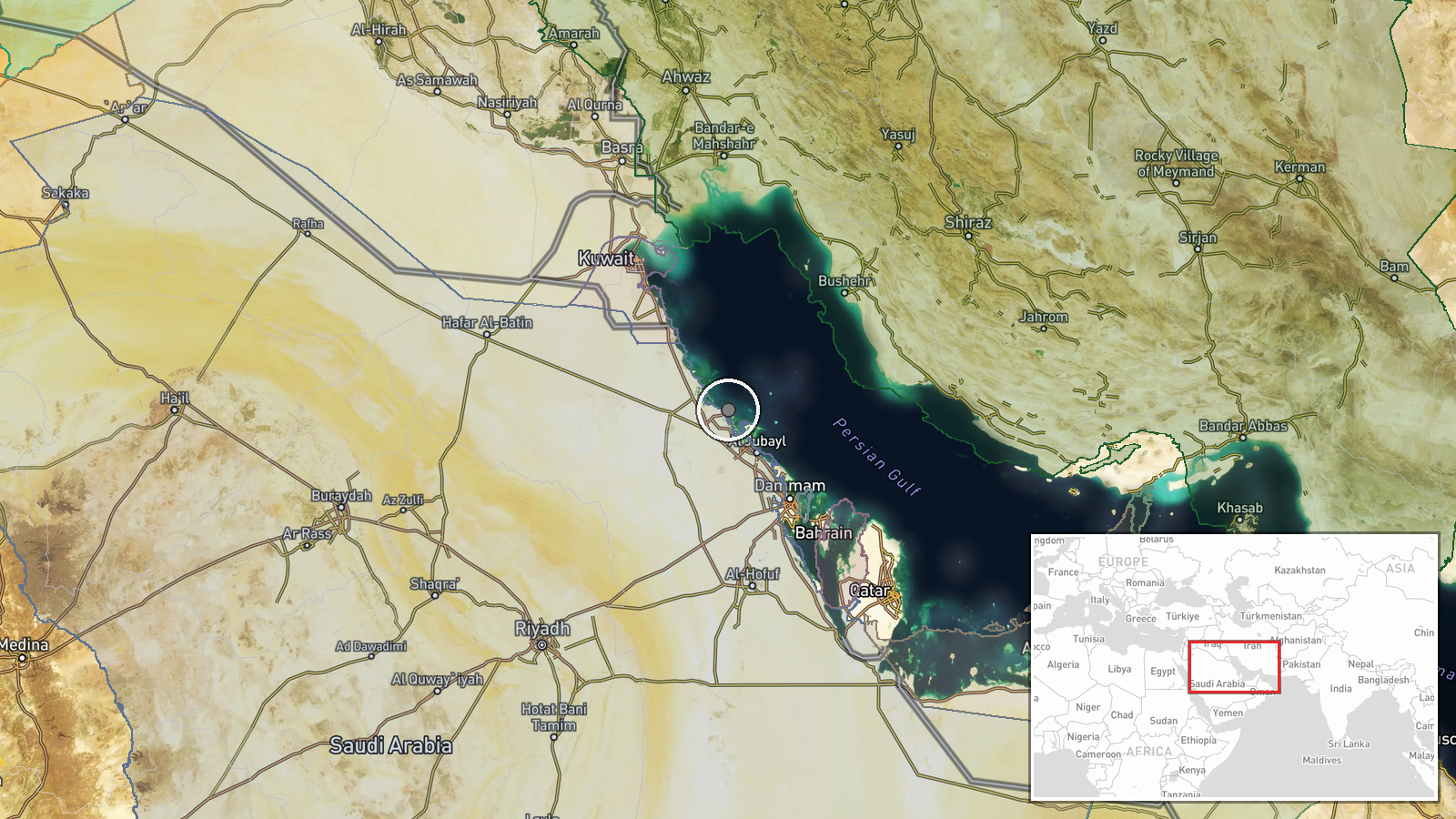
Gavar oil field is located in the Eastern Province of Saudi Arabia, approximately 260 kilometers southwest of Dhahran and inland from the Persian Gulf coast. The facility coordinates place it in the heart of one of the world's most productive onshore oil regions. The field's remote desert setting limits immediate visual verification by independent observers.
▶ View this event on the live map

Intel Mapper aggregates open-source reports from monitored Telegram and X channels, geolocates them, cross-checks duplicates across sources and assigns a confidence score. Entries are updated as new confirmations arrive. Read how we verify events.