Saudi and Iranian foreign ministers hold talks in Riyadh amid regional escalation
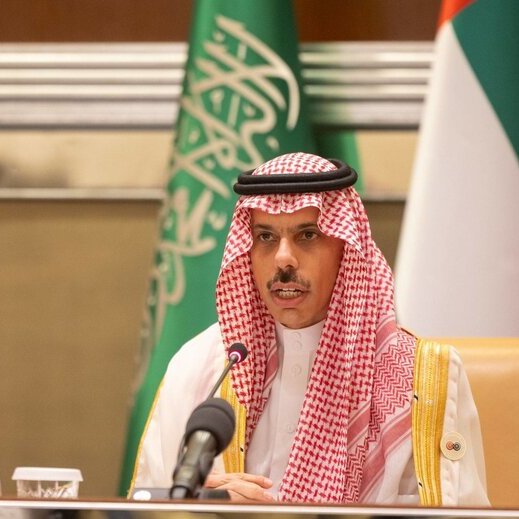
What happened
Saudi Arabian Foreign Minister Faisal bin Ferhan met with Iranian Foreign Minister Abbas Araghchi in Riyadh on October 11, continuing bilateral diplomatic engagement. The talks represent an attempt at direct dialogue between the two regional powers. The meeting was reported via social media by conflict tracking accounts, with limited accompanying detail on the agenda or outcomes of the discussion.
Context and assessment
The diplomatic meeting occurs as Saudi Arabia faces immediate security pressures. Earlier on October 11, Houthi forces launched a ballistic missile attack on King Khalid International Airport in Riyadh, resulting in reported casualties and prompting Saudi flight suspensions. A coalition of four regional states—Saudi Arabia, Turkey, Pakistan, and Egypt—issued a joint statement condemning the escalating attacks. Against this backdrop of heightened tensions and active missile threats, the Saudi-Iranian engagement suggests efforts to pursue diplomatic channels despite the volatile security environment. Such talks may indicate attempts to reduce regional friction or explore de-escalation pathways, though the timing amid active hostilities underscores the precarious nature of current relations.
Sources and confidence
Reported by X account @ConflictTR with a single source. No cross-confirmation from mainstream news outlets, diplomatic statements, or regional media outlets is noted in available data. Confidence score of 6.1 reflects limited sourcing and lack of corroboration. Confirmation from Saudi or Iranian official statements, or reporting by established international news agencies, would substantially increase confidence.
Location
Riyadh, the capital of Saudi Arabia, located in the central Nejd region at approximately 24.63°N, 46.72°E. The diplomatic meeting would likely occur at government facilities in the city center. Riyadh also serves as the location of King Khalid International Airport, which was targeted by missile attack the same day.
Related events nearby
- Saudi Arabia has halted all flights to and from Riyadh and Dammam airports due to Houthi threats and enforceme2026-10-11 19:03 UTC · Siren · Riyadh and Dammam, Saudi Arabia
- Saudi Arabia, Turkey, Pakistan, and Egypt issued a joint statement condemning ongoing attacks against the King2026-10-11 17:21 UTC · Statement · Riyadh, Saudi Arabia
- Syrian Foreign Ministry condemns Houthi ballistic missile strike on King Khalid International Airport in Riyad2026-10-11 07:22 UTC · Statement · King Khalid International Airport, Riyadh, Saudi A
- Video footage confirms Houthi ballistic missile strike on King Khalid International Airport in Riyadh. Attack 2026-10-11 21:38 UTC · Ballistic Missile · King Khalid International Airport, Riyadh, Saudi A
- Saudi Arabia's GACA confirms King Khalid International Airport Terminal 4 was targeted in attack on October 112026-10-11 16:23 UTC · Air Defense · King Khalid International Airport, Riyadh, Riyadh
▶ View this event on the live map

Intel Mapper aggregates open-source reports from monitored Telegram and X channels, geolocates them, cross-checks duplicates across sources and assigns a confidence score. Entries are updated as new confirmations arrive. Read how we verify events.