Iran tests ballistic missiles from multiple sites across central provinces
What happened
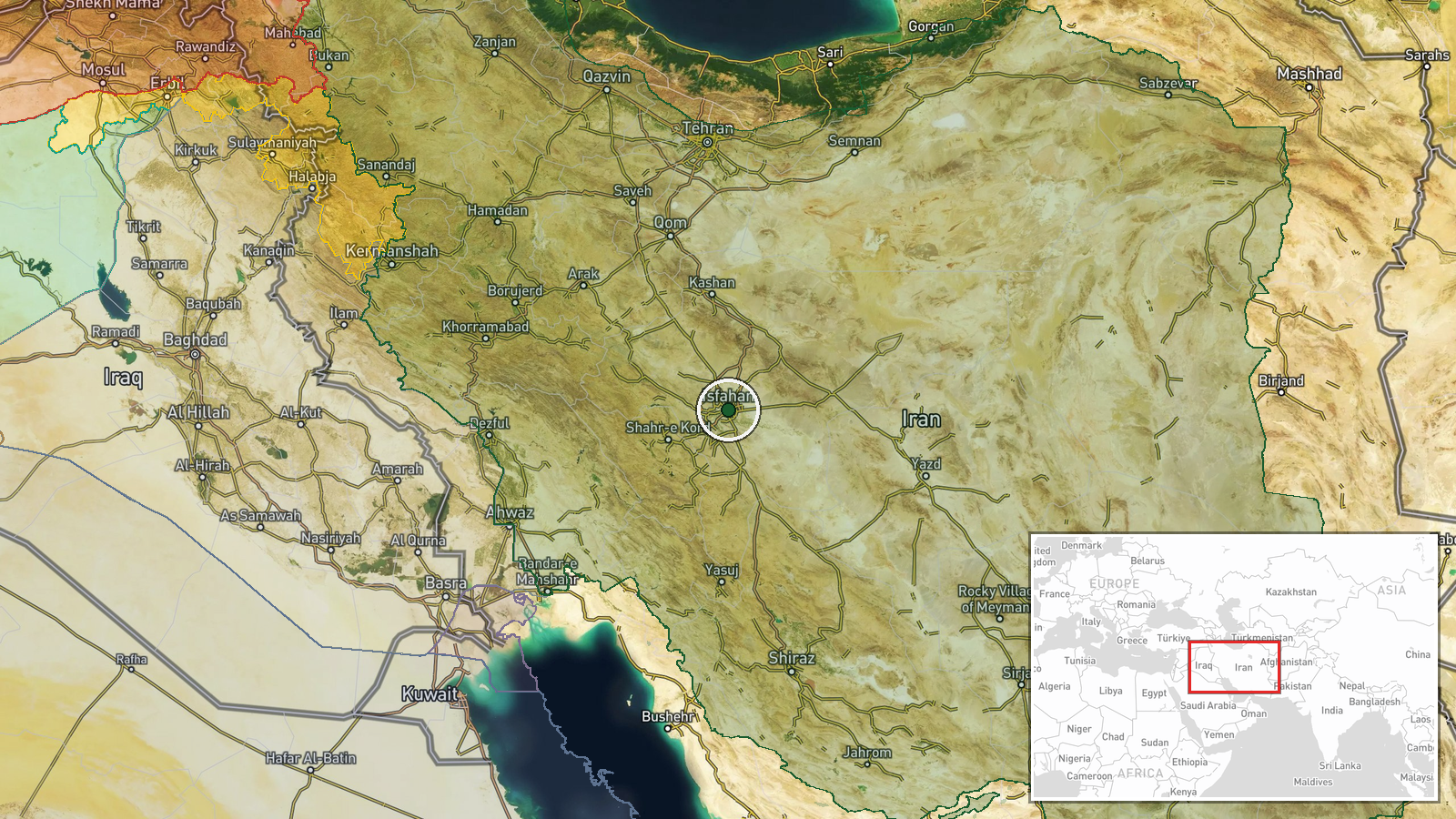
Iran's military reportedly conducted ballistic missile launch tests from three locations: Isfahan, Yazd, and Kirmanshah in central Iran on October 12, 2026. The tests involved multiple launch sites but no specific intended targets were confirmed in available reporting. The exercise appears designed to assess Iranian ballistic missile capabilities across geographically distributed positions.
Context and assessment
Iran maintains an extensive ballistic missile arsenal as a centerpiece of its deterrent strategy. Tests from multiple provinces suggest operational readiness drills across different regional commands. Isfahan and Kirmanshah host significant military-industrial facilities, including missile production and assembly plants. Yazd, located in central Iran's desert region, provides remote testing grounds. Distributed launch-site exercises typically indicate force-posture assessments or capability validation, potentially signaling readiness messaging amid ongoing regional tensions. The timing and scope reflect Iran's periodic demonstration of operational depth across its missile forces.
Sources and confidence
Reported via X (@ConflictTR) account citing a Telegram channel (naya_foriraq). Single-source reporting without independent cross-confirmation from Iranian official statements or other monitoring organizations. Confidence score of 6.1 reflects limited corroboration. Score would increase with confirmation from Iranian military statements or satellite imagery analysts; would decline if contradicted by other credible sources.
Location
Three separate test sites across central Iran: Isfahan (32.67°N, 51.67°E) in Isfahan Province; Yazd in Yazd Province; and Kirmanshah in Kirmanshah Province. All three are interior locations in Iran's central plateau region, geographically distributed across 300+ kilometers. Isfahan and Kirmanshah possess military-industrial infrastructure; Yazd's desert terrain suits remote testing operations.
▶ View this event on the live map

Intel Mapper aggregates open-source reports from monitored Telegram and X channels, geolocates them, cross-checks duplicates across sources and assigns a confidence score. Entries are updated as new confirmations arrive. Read how we verify events.