Russian forces advance approximately 7 km² in Zaporizhzhia sector near Tsvitkove
What happened
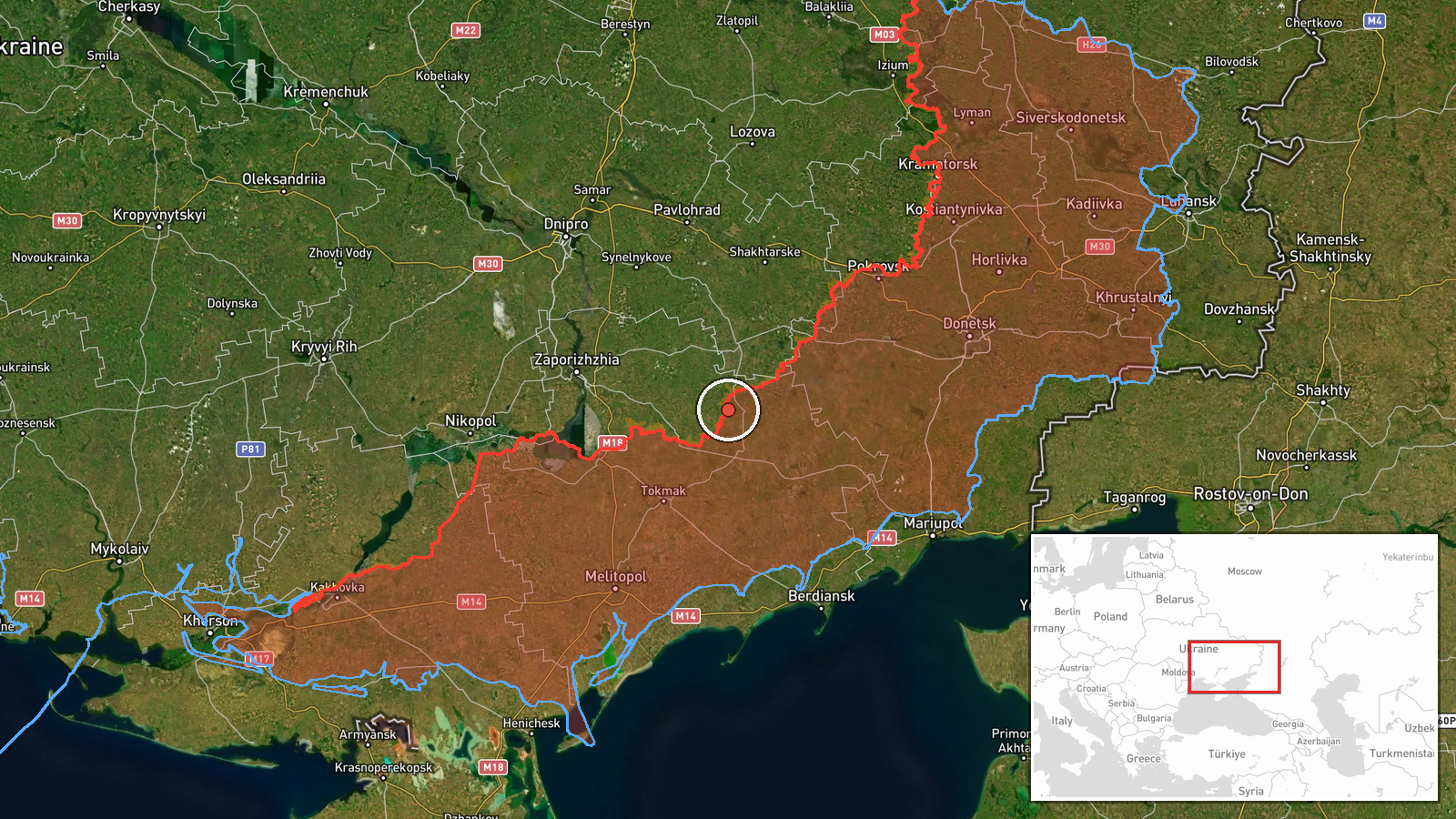
Russian forces have reportedly advanced across approximately seven square kilometers of territory in the Tsvitkove area of Zaporizhzhia Oblast, according to a DeepState frontline update posted on 2 October 2026. The update indicates that while Russian positions expanded in the sector, no settlement centers changed hands during this phase of operations. The advance represents incremental territorial gain typical of grinding positional warfare in this region.
Context and assessment
The Tsvitkove sector lies in central Zaporizhzhia Oblast along an active front line where Russian and Ukrainian forces have exchanged territory over the past months. Russian advances in this area, though modest in scale, follow patterns of pressure along multiple fronts designed to stretch Ukrainian defensive resources. The timing coincides with Ukrainian counterstrike activity in the same oblast, as evidenced by separate reports of anti-armor operations against Russian assets, suggesting sustained mutual attrition in the theater. Such incremental gains typically indicate attempted breakthrough probing rather than major operational maneuver.
Sources and confidence
This report derives from DeepState, a crowdsourced frontline mapping project maintained by Ukrainian OSINT volunteers. Confidence remains moderate at 7.5 due to single-source reporting without independent cross-confirmation from other open-source monitors. Confirmation from multiple OSINT frontline trackers or Ukrainian military statements would raise confidence; clarification on the seven-kilometer figure's measurement methodology would improve precision.
Location
Tsvitkove lies in central Zaporizhzhia Oblast along the active front line in this sector. The location was determined at regional precision level using DeepState mapping coordinates. The area is characterized by relatively flat terrain with scattered settlements, positioned along contested ground between Russian-held and Ukrainian-held territory.
Related events nearby
- Ukrainian operators from 2nd Battalion, 413th Regiment (Raid SBU unit) destroyed a Russian BM-27 Uragan multip2026-10-02 14:47 UTC · UAS Strike · Zaporizhzhia Oblast, Ukraine
▶ View this event on the live map
Intel Mapper aggregates open-source reports from monitored Telegram and X channels, geolocates them, cross-checks duplicates across sources and assigns a confidence score. Entries are updated as new confirmations arrive. Read how we verify events.