Nine killed, six wounded in cattle-raid attacks on two sites in South Sudan's Ruweng Area
What happened
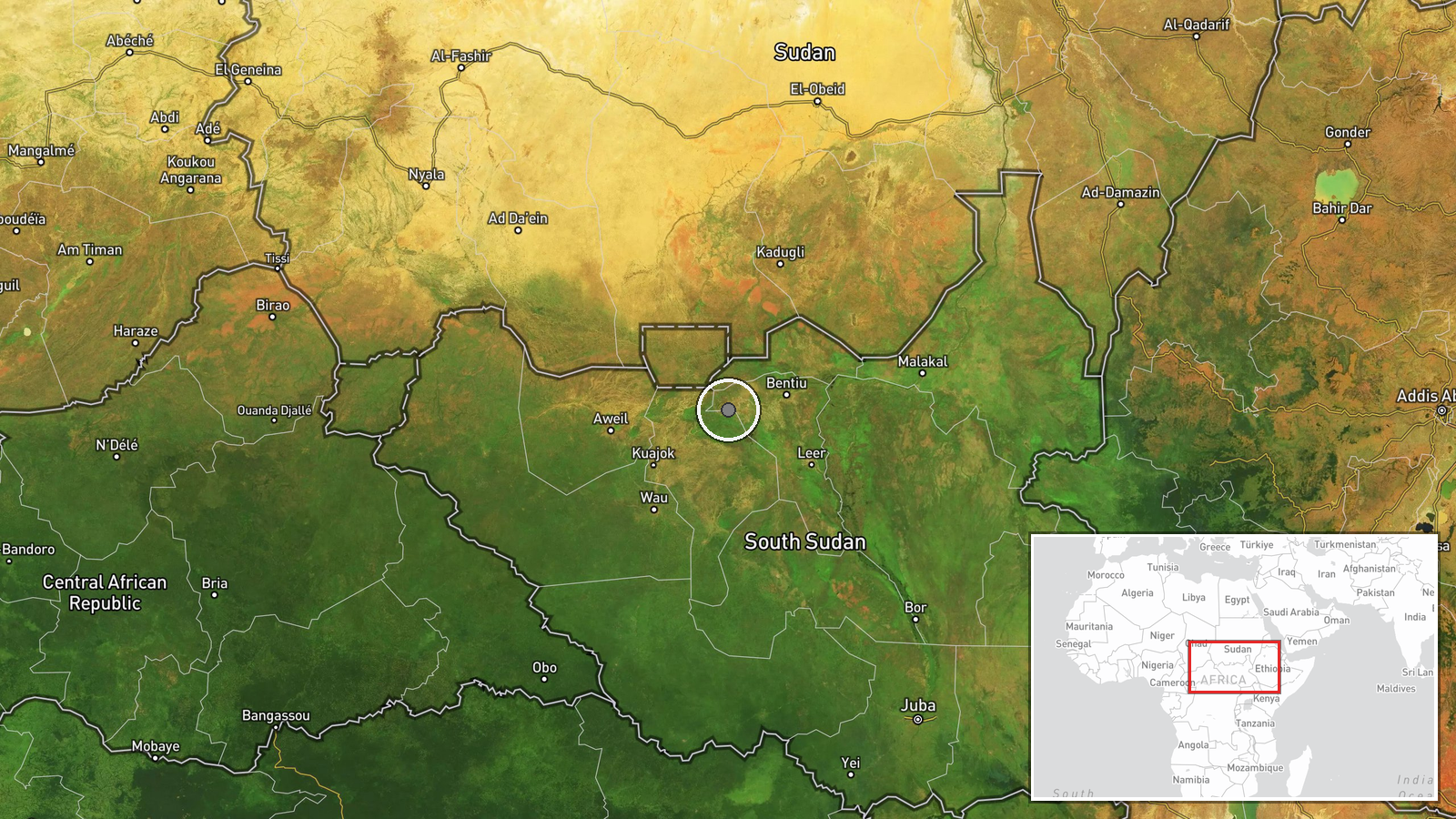
According to a report by Radio Tamazuj, at least nine people were killed and six wounded in attacks on two locations in South Sudan's Ruweng Administrative Area. The area's caretaker government attributed the attacks to armed youth from neighbouring Unity State. Ruweng's caretaker minister of information, Tony Chol Ayat, told the outlet that the attacks took place at about 11 p.m. on Sunday, October 18, in Bhal Payam in Lake-No County and Pochod Boma in Alilang Payam, Aliny County. The event summary describes the incidents as cattle raids, stating that 501 and 471 cattle were taken at the two sites and that huts and byres were burned. The casualty figures and attribution come from the caretaker government and its minister, as relayed by the outlet, and the report has not been independently confirmed.
Context and assessment
Ruweng sits in a part of South Sudan where cattle are central to household wealth, bridewealth and social standing, and raids between pastoral communities have long been a feature of life across the Greater Upper Nile region. Ruweng is majority Dinka, while Unity State is home to Nuer communities including the Bul and Leek, so the attacks fall along a well-documented ethnic and pastoral fault line. The event data contains no related events, so this report cannot be placed within a recorded sequence on the map, and any reading of a wider trend rests on general background rather than linked incidents. Operationally, the reported scale of livestock taken and the burning of huts and byres suggests raids aimed at seizing cattle and displacing residents rather than holding territory. Strikes on two sites within one night may point to a coordinated group, though the data does not establish this. Cattle raids in South Sudan often provoke retaliation, so the risk of follow-on violence is worth monitoring, and the casualty count may be revised as more information emerges.
Sources and confidence
The event rests on a single channel, Radio Tamazuj's web report, with a source count of one and no independent cross-confirmation in the data. The confidence score of 6.0 reflects a credible outlet relaying specific names, times and locations, but also a dependence on the caretaker government's attribution and casualty figures, with no second account of the deaths. Confidence would rise with corroboration from another outlet, UN or humanitarian reporting, or statements from police or county officials independent of the caretaker government. It would fall if casualty numbers are revised downward or if the attribution to Unity State youth is disputed.
Location
The location is a payam-level place name, Bhal Payam in Lake-No County, and the coordinates of 9.05 N, 29.0 E appear to be a broad regional point rather than a precise site, which is reflected in the low location confidence. The second site, Pochod Boma in Alilang Payam, Aliny County, is not separately mapped. The setting is rural, low-lying cattle-keeping country of the Nile basin, where seasonal wetlands and dispersed homesteads are typical and where settlements can be hard to locate precisely from open sources.
Related events nearby
- Drone strike hit the northern side of the Sudan-South Sudan border Ostrich Market, Abyei, killing over 50 and 2026-10-19 14:12 UTC · UAS Strike · Ostrich Market (Souq al-Naam), Abyei, Sudan-South
▶ View this event on the live map

Intel Mapper aggregates open-source reports from monitored Telegram and X channels, geolocates them, cross-checks duplicates across sources and assigns a confidence score. Entries are updated as new confirmations arrive. Read how we verify events.