Israeli forces raid residence in Quneitra village during ongoing security operations
What happened
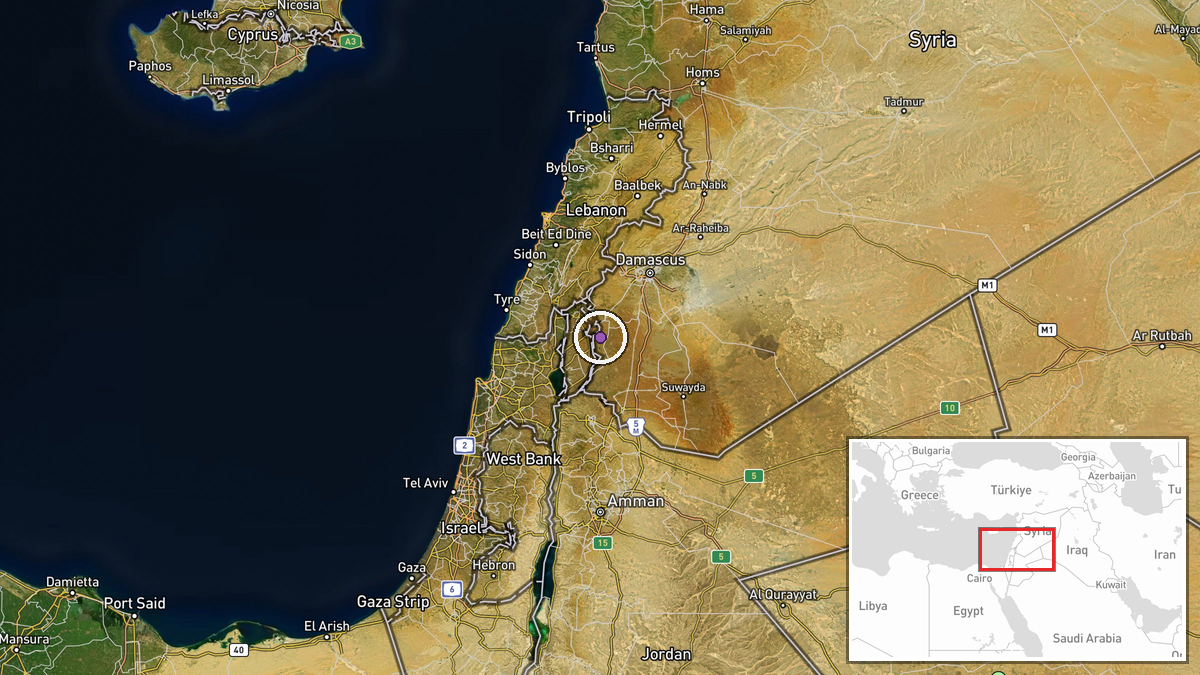
Israeli occupation forces reportedly conducted a raid and search of a residence in Turanja village in Quneitra countryside on August 30. The operation's specific purpose and any findings were not disclosed in available reports. The search was carried out by what Syrian sources identify as Israeli occupation forces, though no additional operational details have been confirmed. The incident was reported by Syria Now via Telegram.
Context and assessment
The raid in Turanja occurs amid a pattern of Israeli security operations across Quneitra and adjacent Syrian governorates. On the same day, Israeli forces conducted ID checks and inspections of workers in the quarries near Jubbata al-Khashab, also in Quneitra. These operations suggest ongoing Israeli monitoring or enforcement activity in border areas of southwestern Syria. The region has historically been sensitive terrain following the 2011–2018 Syrian conflict and remains subject to various security pressures. Whether these raids reflect counter-insurgency efforts, intelligence gathering, or enforcement against specific individuals remains unclear from available reporting.
Sources and confidence
Single source: Telegram channel @AJSyriaNow (Syria Now). No cross-confirmation from independent outlets or other channels reported. Confidence of 7.5 reflects the single-source limitation and lack of operational detail. Confirmation from additional Syrian or international monitors, or disclosure of raid rationale, would strengthen confidence. Contradictory accounts or denial from Israeli sources would lower it.
Location
Turanja village is situated in Quneitra countryside in southwestern Syria, near the Israeli-occupied Golan Heights. Coordinates place it at approximately 33.09°N, 35.92°E. The village lies in terrain characteristic of the Quneitra region: semi-arid, strategic plateau area bordering territory under Israeli control. Nearby Jubbata al-Khashab experienced similar operations the same morning.
Related events nearby
- Israeli occupation forces conducted inspection operations and ID documentation of workers in the Quarries area2026-08-30 10:37 UTC · Security · Jubbata al-Khashab, Quneitra Governorate, Syria
- Syrian Interior Ministry security forces in Nawa declared a curfew following an incident that resulted in one 2026-08-29 20:14 UTC · Security · Nawa, Daraa Governorate, Syria
- Syrian Network for Human Rights documented deaths of at least two civilians, including one child, from gunfire2026-08-30 08:55 UTC · Security · Daraa Governorate, Syria
- Hezbollah FPV drone targeted Israeli soldiers in southern Lebanon. Footage released showing attack on military2026-08-30 15:46 UTC · FPV Drone · Southern Lebanon, Lebanon
- Israeli occupation forces established a temporary checkpoint and searched civilians passing through Al-Ajraf v2026-08-30 18:07 UTC · Security · Al-Ajraf, Quneitra Countryside, Syria
▶ View this event on the live map
Intel Mapper aggregates open-source reports from monitored Telegram and X channels, geolocates them, cross-checks duplicates across sources and assigns a confidence score. Entries are updated as new confirmations arrive. Read how we verify events.