Lebanese intelligence rescues kidnapping victim in Jbeil, arrests seven suspects
What happened
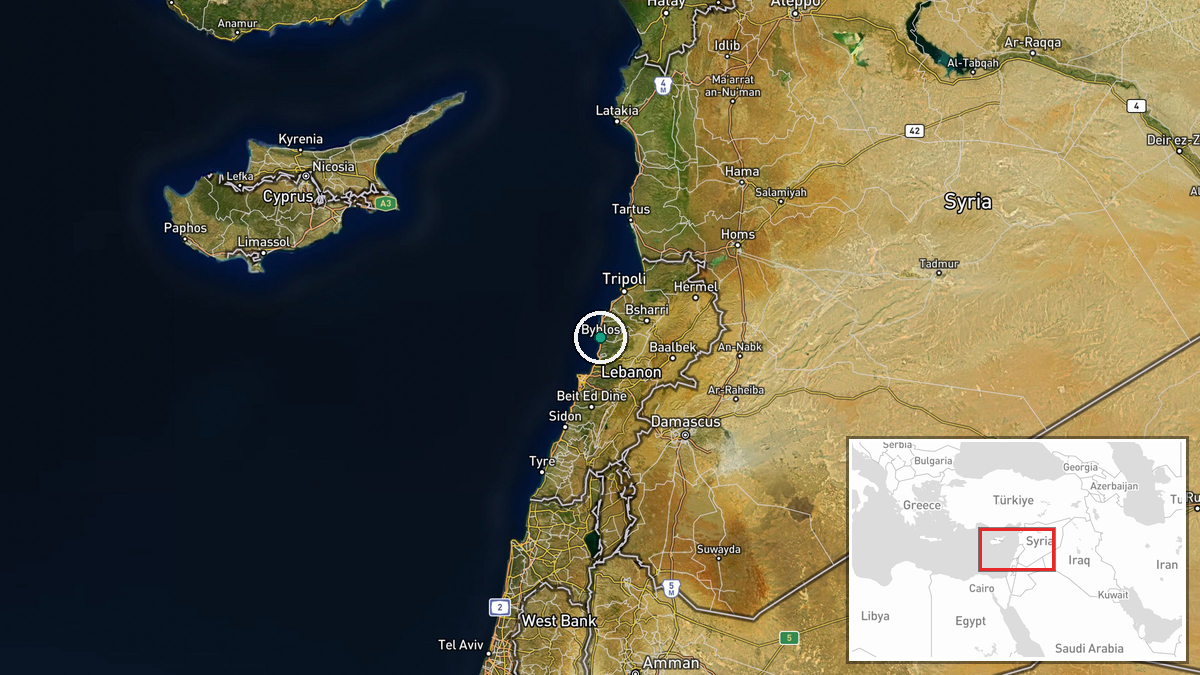
Lebanese Directorate of Intelligence personnel conducted an operation in Amsheet, Jbeil District, on August 30 that resulted in the rescue of a kidnapped individual and the arrest of seven people allegedly involved in the abduction. The Arabic-language source describes the operation as a successful intervention by an intelligence patrol. No additional details regarding the victim's identity, circumstances of the kidnapping, or timeline of captivity were provided in the available reporting.
Context and assessment
Jbeil District lies in Mount Lebanon north of Beirut and has experienced periodic security incidents amid Lebanon's broader instability. Kidnappings in Lebanon, particularly those involving ransom or sectarian elements, typically reflect either criminal networks or factional tensions. The timing coincides with Syrian diplomatic activity in Libya, including the reopening of Syria's embassy in Tripoli after fourteen years, though any operational connection between Lebanese security actions and Syrian diplomatic moves remains unclear. The success of this rescue operation may indicate heightened Lebanese security force activity or improved intelligence capabilities in the region.
Sources and confidence
Reported solely by Telegram channel @AJSyriaNow on August 30, 2026. No cross-confirmation from Lebanese official statements, international media, or secondary sources is currently available. The confidence score of 7.5 reflects the single-source nature of the report; confirmation by Lebanese security authorities or credible news agencies would strengthen confidence, while contradictory reports or retraction would lower it.
Location
Amsheet is a coastal settlement in Jbeil Governorate, Mount Lebanon, located approximately 25 kilometers north of Beirut. The town sits on the Mediterranean coast and is part of the historically Christian-majority Maronite region. Geographic precision is assessed as high based on settlement-level identification.
Related events nearby
- Syrian Arab Republic and Libya reactivate joint higher committee, signaling diplomatic normalization and polit2026-08-30 21:09 UTC · Diplomacy · Syrian Embassy, Tripoli, Libya
- Syrian Foreign Minister Asaad Al-Shaibani meets with members of the Syrian diaspora community in Libya. Diplom2026-08-30 20:52 UTC · Diplomacy · Tripoli, Libya
- Syria's embassy in Tripoli, Libya reopened after 14 years of closure following the February 2011 revolution. T2026-08-30 20:40 UTC · Diplomacy · Syrian Embassy, Tripoli, Libya
- Syria and Libya signed bilateral cooperation agreement. Simultaneously, 46 families from Al-Atarb camp region 2026-08-30 17:34 UTC · Diplomacy · Tripoli, Libya
- Arab and foreign diplomats arrive at Syrian Embassy in Tripoli ahead of its official reopening, signaling rest2026-08-30 17:28 UTC · Diplomacy · Syrian Embassy, Tripoli, Libya
▶ View this event on the live map
Intel Mapper aggregates open-source reports from monitored Telegram and X channels, geolocates them, cross-checks duplicates across sources and assigns a confidence score. Entries are updated as new confirmations arrive. Read how we verify events.