Power outage hits Sweida city as clashes damage main electricity lines
What happened
Sweida Electricity Company announced a widespread power outage affecting large sections of Sweida city and the Shahba region on September 1. The utility attributed the blackout to clashes that knocked both the primary 66 kilovolt power line and its backup out of service. Company officials stated that repairs would proceed once necessary approvals were obtained, indicating operational constraints on restoration work.
Context and assessment
Sweida Governorate, located in southwestern Syria, has experienced recurring instability and sporadic armed clashes in recent years despite periods of relative calm. Damage to dual power infrastructure suggests active fighting in or near critical grid locations. The requirement for formal approvals before repairs indicates that security conditions or administrative procedures are limiting the utility's freedom of action. Power outages of this scale typically reflect either direct targeting of energy infrastructure or collateral damage from nearby military operations. The simultaneous failure of primary and backup systems suggests concentrated damage rather than routine maintenance issues.
Sources and confidence
Single source: Telegram channel @AJSyriaNow carrying an official statement from Sweida Electricity Company. No cross-confirmation from independent monitors or competing reports. Confidence score of 7.5 reflects the official nature of the source but limited corroboration. Score would increase with reports from residents, international monitors, or secondary news outlets; would decline if operational details were contradicted by later statements.
Location
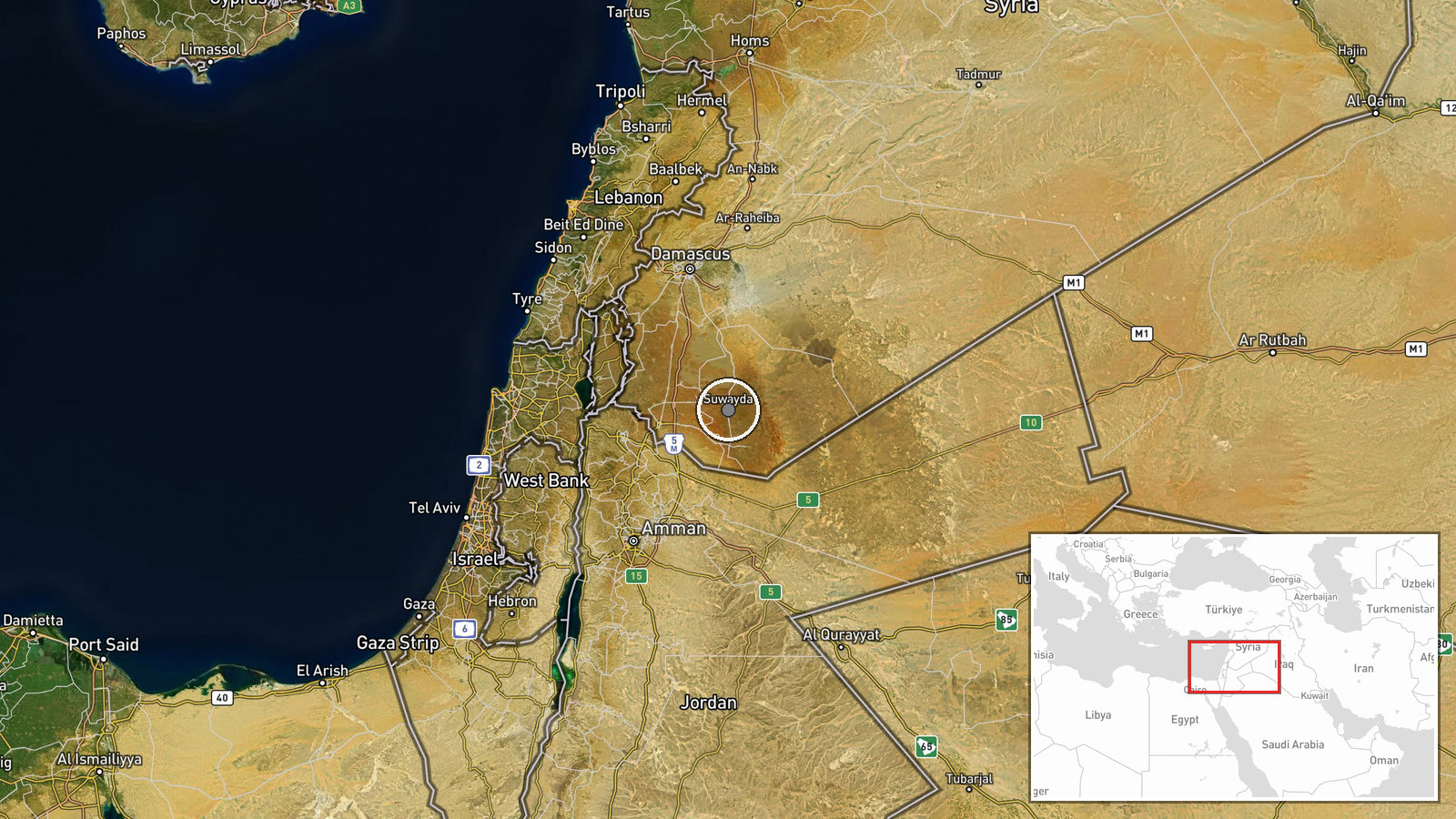
Sweida city, the capital of Sweida Governorate in southwestern Syria, located approximately 140 kilometers south of Damascus near the border with Jordan. The Shahba region referenced lies within the same governorate. Coordinates indicate the city center; affected infrastructure likely extends across the urban area and surrounding power distribution network.
Related events nearby
- Heavy clashes erupted on Sweida's western outskirts as Israel-backed Druze National Guard forces attacked HTS 2026-09-01 06:57 UTC · Combat · Sweida City western outskirts, Sweida Governorate,
- Israel conducted simultaneous military incursions in the Daraa and Quneitra governorates in southern Syria, ex2026-09-01 06:59 UTC · Combat · Daraa, Daraa Governorate, Syria
▶ View this event on the live map
Intel Mapper aggregates open-source reports from monitored Telegram and X channels, geolocates them, cross-checks duplicates across sources and assigns a confidence score. Entries are updated as new confirmations arrive. Read how we verify events.