Syrian Government begins destruction of chemical weapons remnants under OPCW supervision
What happened
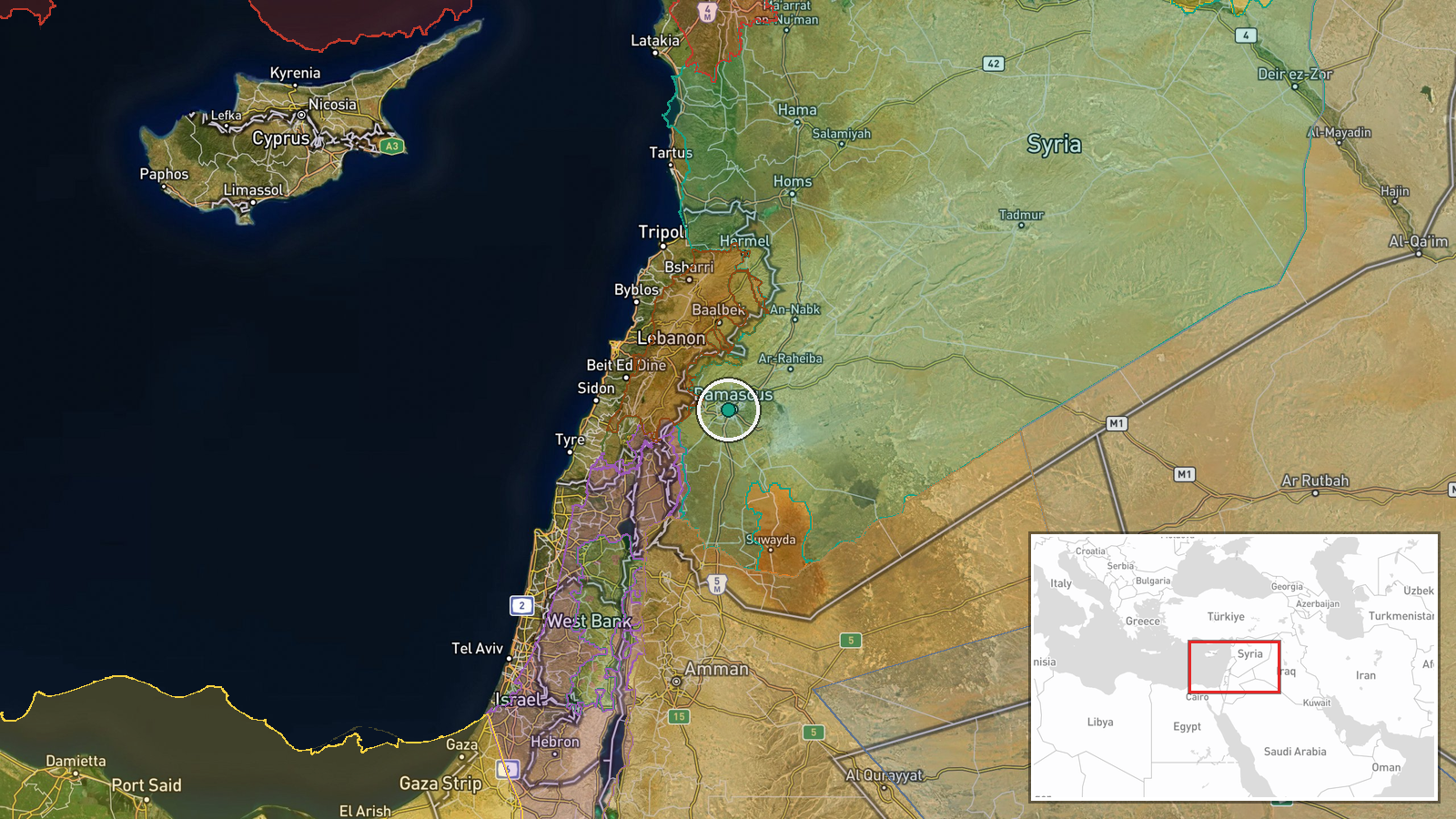
The Syrian Government has initiated operations to destroy remaining chemical weapons stockpiles in Damascus in the presence of Organization for the Prohibition of Chemical Weapons inspectors, according to a report from Al Jazeera's Syria desk on Telegram. The announcement came on September 3, 2026, and represents a continuation of Syria's declared chemical disarmament obligations under international oversight.
Context and assessment
Syria's chemical weapons program was a defining feature of the Assad regime's military capability and became internationally significant following documented chemical attacks during the civil conflict. The destruction of remaining stockpiles represents a formal step in Syria's compliance with the Chemical Weapons Convention, overseen by the OPCW. This operation occurs amid mixed signals in Syrian diplomacy: simultaneous EU engagement on strengthening bilateral relations contrasts with stalled Israeli-Syrian security talks over the Golan Heights. The timing also follows other security incidents in the Damascus area, suggesting ongoing instability alongside state-level institutional processes.
Sources and confidence
Reported by Al Jazeera's Syria desk via Telegram (@AJSyriaNow). Single source limits independent verification, accounting for the confidence score of 7.5/10. Cross-confirmation from OPCW statements or international media would strengthen confidence. The source's established track record in Syrian reporting provides reasonable baseline credibility, though direct verification of operational specifics would require additional sources.
Location
Damascus, Syria (precision: settlement level). The capital city lies on the Barada River in southwestern Syria, historically the political and administrative center. No specific facility name was provided in the report, though chemical weapons destruction operations typically occur at designated industrial or military sites under strict international supervision.
Related events nearby
- Syrian Government's National Mine Action Center announces three-year integrated strategy to clear Syrian lands2026-09-04 18:16 UTC · Humanitarian Aid · Damascus, Syria
- Russian Ambassador to Israel confirms ongoing Russian-Israeli communication regarding Syria. Separately, so-ca2026-09-04 18:04 UTC · Statement · Damascus, Syria
- UK delegation to OPCW welcomes documented destruction of 42 chemical weapons from Assad era in Syria—first ver2026-09-04 16:30 UTC · Statement · Damascus, Syria
- Mazloum Abdi, adviser to Syrian presidency and former SDF chief, states ongoing Israel-Syria talks aim to redu2026-09-04 10:18 UTC · Statement · Damascus, Syria
- Six ambassadors, including representatives from Saudi Arabia and the European Union, presented their credentia2026-09-04 09:51 UTC · Diplomacy · Damascus, Syria
▶ View this event on the live map
Intel Mapper aggregates open-source reports from monitored Telegram and X channels, geolocates them, cross-checks duplicates across sources and assigns a confidence score. Entries are updated as new confirmations arrive. Read how we verify events.