Trump announces plans for oil pipeline and truck routes through Syria as Hormuz alternative
What happened
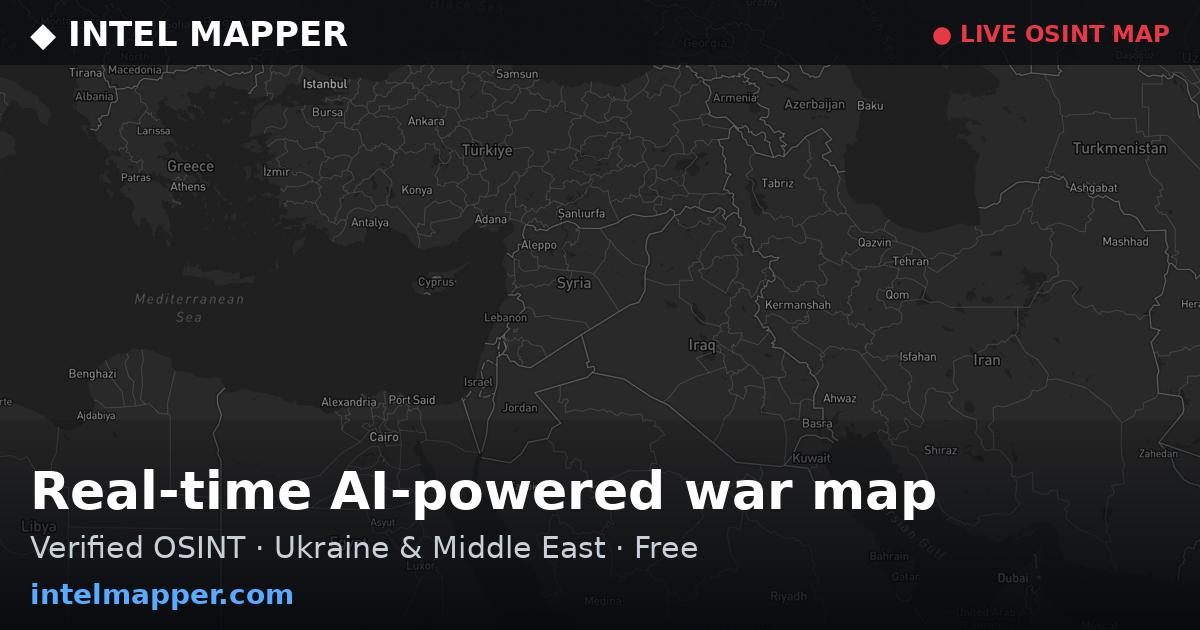
U.S. President Donald Trump announced that work is underway to establish pipeline infrastructure and truck transport routes through Syrian territory to move oil as an alternative to the Strait of Hormuz. The statement was made in Washington D.C. on September 4, 2026, reportedly according to Telegram channel AJSyriaNow. The announcement frames these routes as part of broader alternatives to the strategic chokepoint through which roughly one-third of global maritime oil trade currently passes.
Context and assessment
This announcement comes amid heightened U.S. rhetoric toward Iran, following Treasury Secretary Brian Bessent's threat of regime change earlier the same day. The proposal reflects longstanding U.S. strategic interest in reducing reliance on the Strait of Hormuz, a vulnerability to Iranian pressure and regional instability. Syria, under Assad regime control and with U.S. military presence in the northeast, represents a geopolitically complex route. Such infrastructure would require unprecedented coordination between Washington and Damascus or assertion of control over Syrian territory. The timing alongside escalatory Treasury statements suggests this may be part of a broader policy recalibration toward Iran and its regional influence.
Sources and confidence
Single Telegram channel (AJSyriaNow) reported this statement. No cross-confirmation from U.S. official statements, press releases, or Western news agencies appears in available data. Confidence of 7.5 reflects reliance on a single source and absence of direct attribution to Trump or official U.S. channels. Confirmation through official White House communications or multiple independent sources would substantially raise confidence.
Location
Washington D.C., United States (38.8950982°N, 77.0363849°W). The statement location is the U.S. capital where Trump announced policy. The actual proposed infrastructure would traverse Syrian territory, though no specific Syrian locations were identified in the announcement.
Related events nearby
- U.S. Treasury Secretary Brian Bessent threatens Iran with regime change, stating either internal regime transf2026-09-04 15:44 UTC · Statement · Washington, D.C., USA
▶ View this event on the live map
Intel Mapper aggregates open-source reports from monitored Telegram and X channels, geolocates them, cross-checks duplicates across sources and assigns a confidence score. Entries are updated as new confirmations arrive. Read how we verify events.