Iraq Border Forces deny reports of Syrians crossing Iraq-Syria border barrier
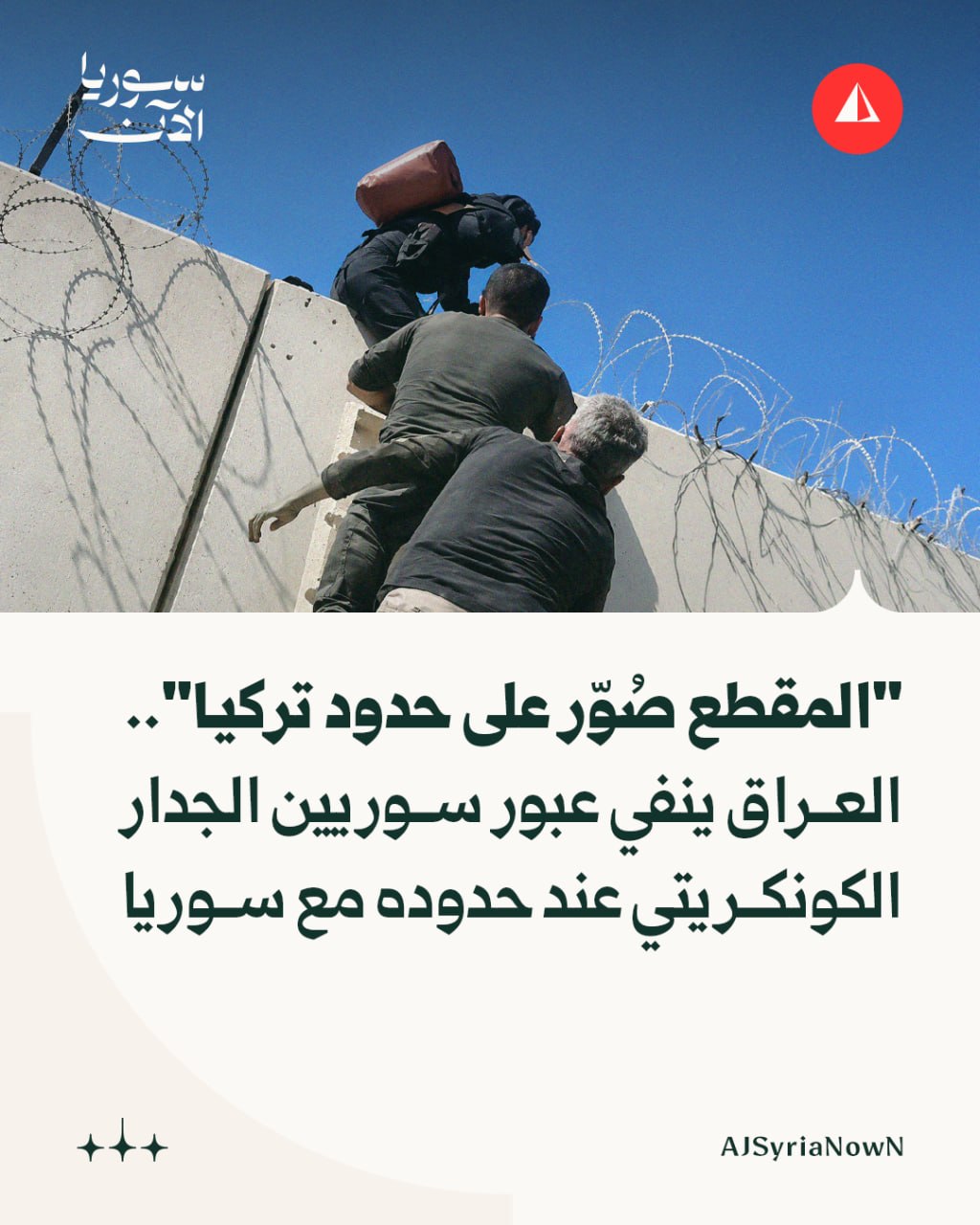
What happened
The Iraqi Border Forces Command issued a statement on September 6 denying reports that a group of Syrians had crossed the security barrier along the Iraq-Syria border. The command asserted that the region is experiencing significant security stability. The statement also clarified that concrete wall structures visible in circulating video recordings belong to Turkish-Syrian border fortifications rather than Iraqi-Syrian border installations, apparently addressing confusion about the location of the barrier in question.
Context and assessment
The Iraq-Syria border in Anbar Governorate, particularly near Al-Qa'im, has long been a permeable frontier subject to irregular movement of goods and persons, compounded by the prior presence of ISIS and ongoing smuggling networks. Border security in this region remains a persistent Iraqi security concern. The Iraqi command's emphatic denial and clarification about the wall's location suggests efforts to counter narratives of border control failures, though such denials often follow reports rather than precede them. The reference to Turkish-Syrian fortifications indicates the confusion may stem from shared border infrastructure visibility or mislabeled footage circulating online.
Sources and confidence
Single source: Iraqi News Agency report of Border Forces Command statement via Telegram channel @AJSyriaNow on September 6. No independent cross-confirmation available. Confidence score of 7.5 reflects official nature of the statement but reliance on single channel. Confirmation from second Iraqi security source or visual verification of barrier status would raise confidence. Retraction or contradicting field reports would lower it.
Location
Al-Qa'im District in Anbar Governorate, Iraq, along the Iraq-Syria international border. Located in western Iraq near the Euphrates River. The district is a historical crossing point for regional traffic. Geographic precision assessed at settlement level based on district-level designation.
▶ View this event on the live map
Intel Mapper aggregates open-source reports from monitored Telegram and X channels, geolocates them, cross-checks duplicates across sources and assigns a confidence score. Entries are updated as new confirmations arrive. Read how we verify events.