Jordan approves natural gas supply deal for Lebanon via Aqaba port with Syrian coordination
What happened
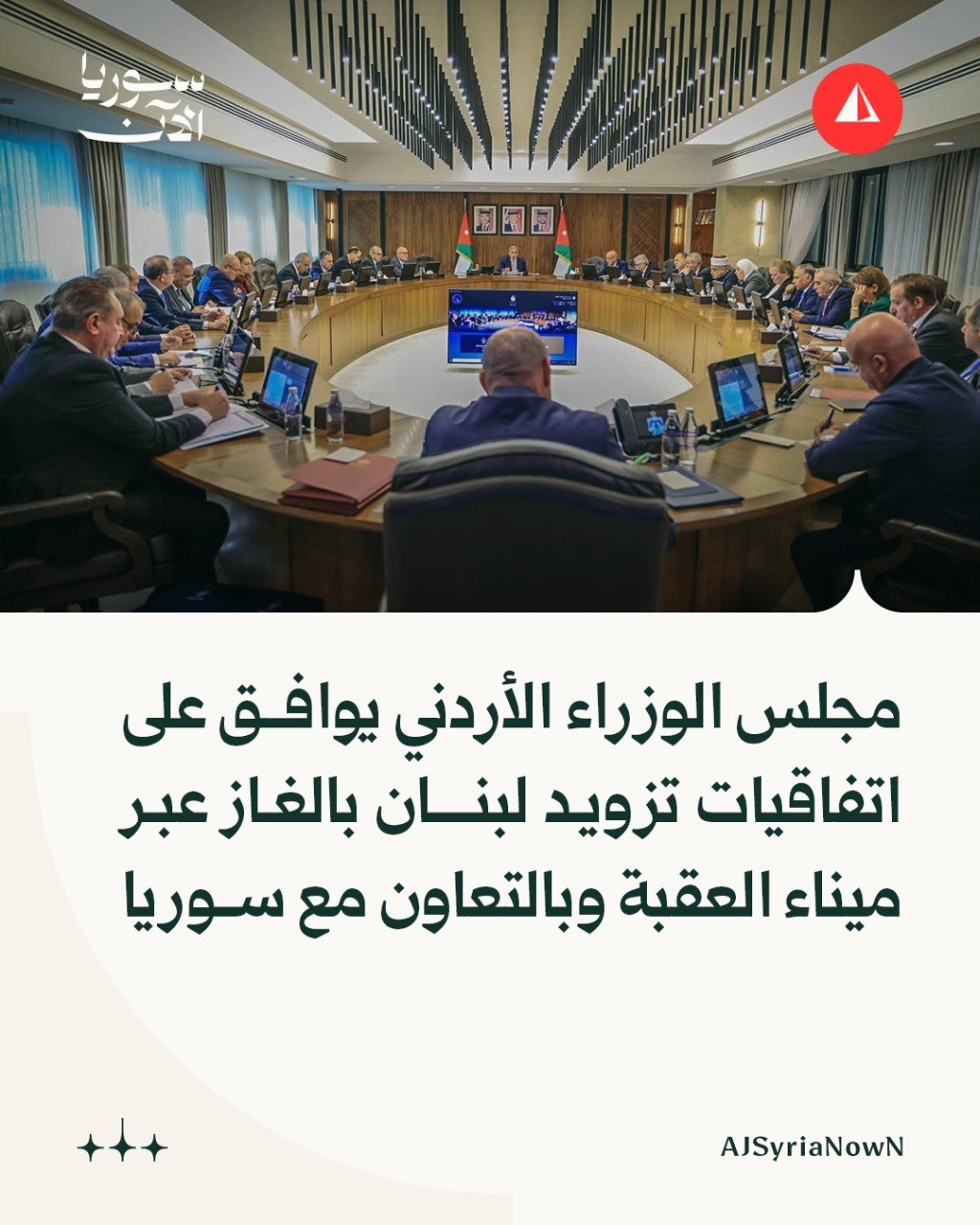
Jordan's Cabinet has approved agreements to supply Lebanon with natural gas through a floating barge stationed at Aqaba port, according to a statement shared on Telegram. The arrangement involves coordination with Syria. The announcement was made on September 6, 2026, and represents a trilateral energy initiative among the three Levantine states. The use of a floating facility suggests a temporary or flexible infrastructure solution for gas delivery.
Context and assessment
Lebanon faces severe energy shortages stemming from years of economic crisis and infrastructure degradation, making alternative fuel sources strategically important for basic functions. Jordan possesses natural gas reserves and has previously served as an energy corridor in the region. The involvement of Syria indicates coordination among Levantine states despite ongoing political fragmentation in the region. Such energy agreements often signal attempts to reduce dependence on competing regional powers and establish Arab-led solutions to infrastructure deficits. The maritime route via Aqaba, Jordan's only port, reflects the practical constraints of overland transit through Syria's damaged infrastructure.
Sources and confidence
The announcement originated from a single Telegram channel (@AJSyriaNow). No independent cross-confirmation from Jordanian government media, Lebanese sources, or Syrian state outlets is documented in available data. The confidence score of 7.5 reflects the official-tone Arabic statement but reliance on a single channel. Confirmation from official Jordanian or Lebanese government statements would substantially raise confidence.
Location
Aqaba is Jordan's primary port city on the Red Sea coast, located at the southern tip of Jordan near the borders with Israel, Egypt, and Saudi Arabia. The port serves as the country's sole maritime gateway. The settlement sits at approximately 29.53°N, 35.01°E in southwestern Jordan, roughly 330 kilometers south of Amman.
▶ View this event on the live map
Intel Mapper aggregates open-source reports from monitored Telegram and X channels, geolocates them, cross-checks duplicates across sources and assigns a confidence score. Entries are updated as new confirmations arrive. Read how we verify events.