Syrian Petroleum Company announces resumption of gasoline exports via ports toward Iraq
What happened
Safwan Sheikh Ahmad, director of institutional communications at the Syrian Petroleum Company, announced that the first shipments of gasoline are departing from Syrian ports en route to border crossings with Iraq. The announcement was made on 25 September 2026. The statement indicates a resumption of fuel trade between Syria and Iraq through maritime routes originating from Syrian Mediterranean ports, likely Banyas or Tartous.
Context and assessment
Syria's petroleum sector has faced severe constraints due to years of conflict, international sanctions, and infrastructure damage. The announcement of fuel exports toward Iraq suggests stabilization of Syrian production capacity and a normalization of regional trade relationships. Iraq has historically relied on fuel imports, and renewed Syrian-Iraqi trade corridors could indicate both economic recovery in Syria and shifting regional commercial patterns. The use of maritime routes rather than overland transport may reflect security considerations or customs procedures at land borders. This development occurs within a broader context of Assad government efforts to rebuild state institutions and international economic engagement.
Sources and confidence
Report sourced from a single Telegram channel (@AJSyriaNow). No corroborating reports from independent international news agencies or cross-confirmation from Iraqi authorities available in provided data. Confidence is moderate-to-low because the announcement lacks independent verification and originates from a government-aligned communications channel. Confirmation from Iraq's oil ministry or maritime tracking would strengthen confidence.
Location
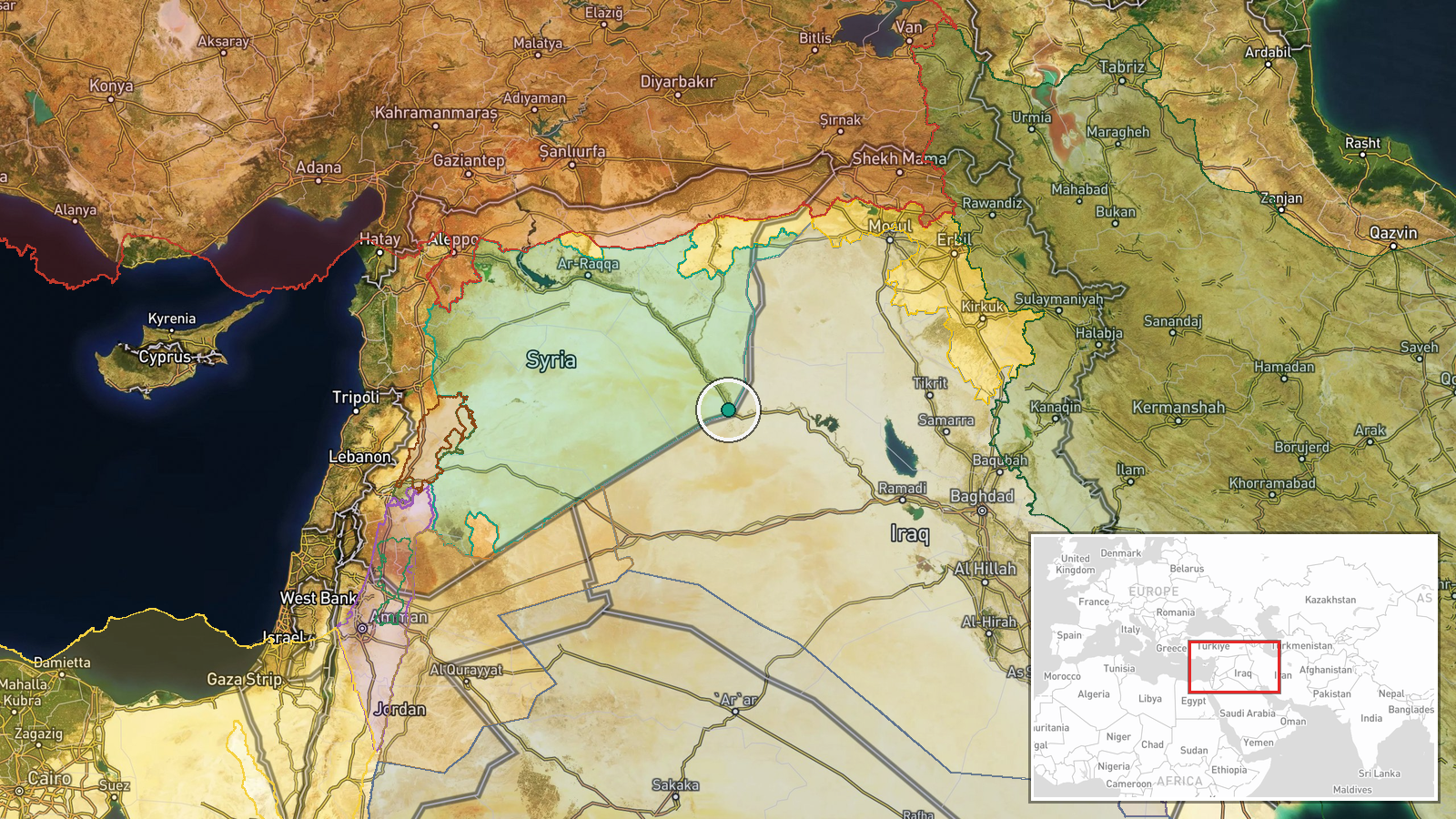
Announcement relates to exports from Syrian Mediterranean ports (Banyas or Tartous region) destined for Iraqi border crossings, with Al-Bukamal in Deir ez-Zor noted as a potential inland destination. Al-Bukamal sits on the Syria-Iraq border in eastern Deir ez-Zor province. Geographic precision is regional given the broad area encompassed by port operations and border crossings.
▶ View this event on the live map
Intel Mapper aggregates open-source reports from monitored Telegram and X channels, geolocates them, cross-checks duplicates across sources and assigns a confidence score. Entries are updated as new confirmations arrive. Read how we verify events.