Bus carrying smuggled migrants crashes in Mount Lebanon; one dead, 13 injured
What happened
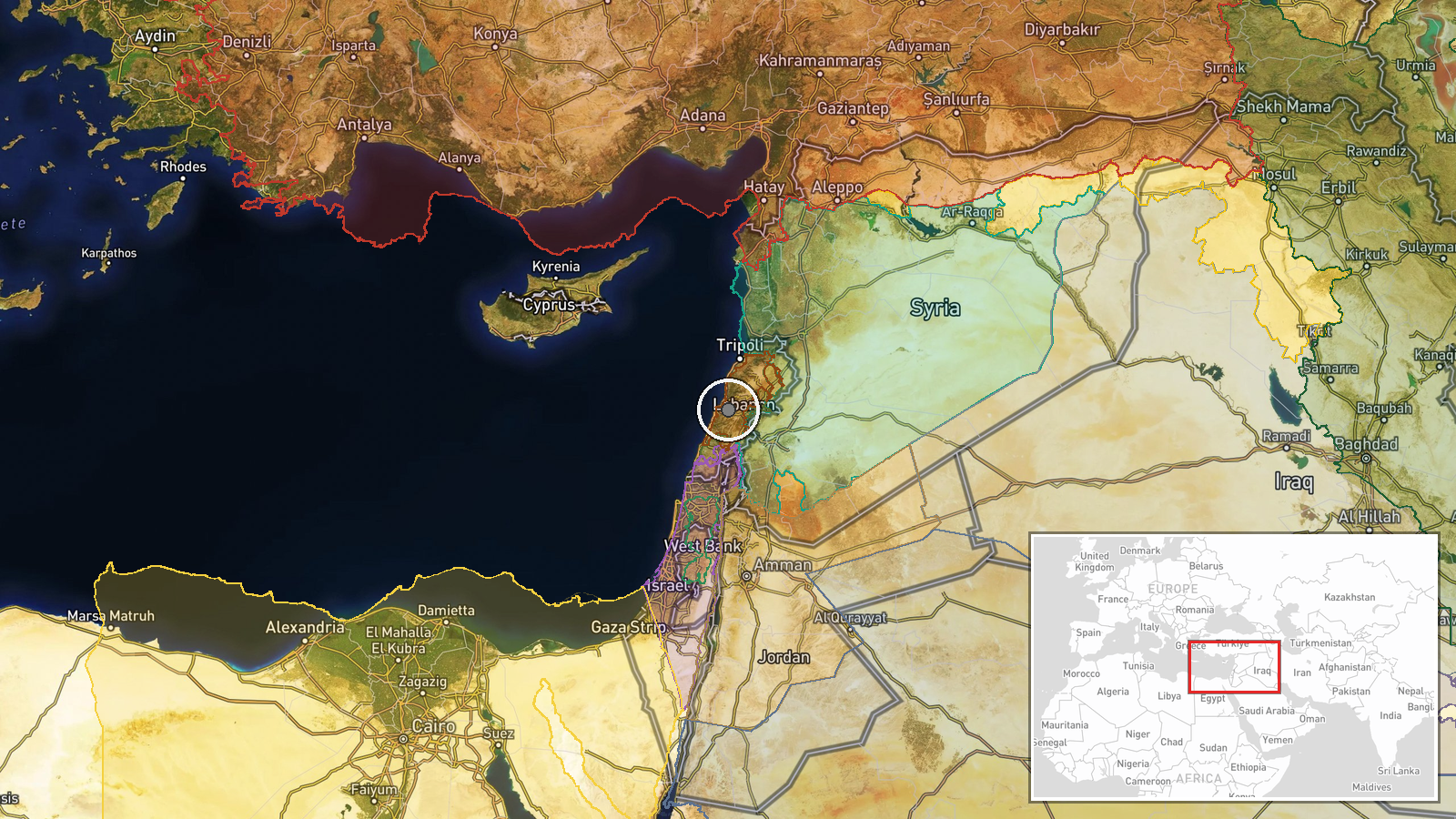
A bus transporting migrants who had entered Lebanon through human trafficking routes veered off the Gibran highway in Jbeil District, Mount Lebanon, on 29 September at approximately 08:56 UTC. One passenger died and 13 others sustained injuries in the incident. The report identifies the passengers as Syrian nationals. The circumstances causing the vehicle to leave the roadway are not detailed in available reporting.
Context and assessment
Mount Lebanon has long served as a transit corridor for migrant smuggling networks moving people from Syria and other Levantine states toward Europe, often via Turkey. The incident reflects ongoing irregular migration pressures in Lebanon, where economic collapse and Syrian displacement have created conditions favourable to trafficking operations. Related reporting from the same period documents Syrian military deployments, voluntary return convoys for displaced families, and security operations, suggesting complex population movements across the Syria-Lebanon border. The crash itself appears to be a traffic accident rather than a deliberate military or security action, but underscores the humanitarian costs of smuggling routes in an already destabilised region.
Sources and confidence
Reported by Telegram channel @AJSyriaNow, a single source. No cross-confirmation from Lebanese health authorities, security services, or international monitoring bodies is noted. Confidence score of 7.5 reflects single-source reporting and low geographic precision. Confirmation from Lebanese officials or independent verification would strengthen confidence; contradictory casualty figures or source retraction would lower it.
Location
Gibran (also Gibail) highway in Jbeil District, Mount Lebanon Governorate. Jbeil is a coastal district north of Beirut on the Mediterranean littoral. Coordinate precision is regional rather than precise. The Gibran highway is a major transport artery in the area, commonly used for transit between Syria and Lebanon.
Related events nearby
- Israeli occupation forces patrol advancing toward Zebdani village in Quneitra countryside, coinciding with stu2026-09-29 06:29 UTC · Deployment · Zebdani, Rif Dimashq, Syria
- Syrian Army conducted a military exercise using Turkish-made Ejder Yalçın and Yörük armored vehicles. Training2026-09-28 13:45 UTC · Military Exercise · Damascus, Syria
- Syrian Ministry of Social Affairs launches voluntary return convoy for 308 families from displacement camps to2026-09-28 10:16 UTC · Displacement · Damascus, Syria
- HTS Internal Security Forces announce arrest of Hassan Khalaf, former interrogator at Air Intelligence branch 2026-09-28 16:10 UTC · Security · Daraa, Syria
▶ View this event on the live map
Intel Mapper aggregates open-source reports from monitored Telegram and X channels, geolocates them, cross-checks duplicates across sources and assigns a confidence score. Entries are updated as new confirmations arrive. Read how we verify events.