Flydubai flight from Dubai to Tel Aviv squawks hijacking code, changes course
What happened
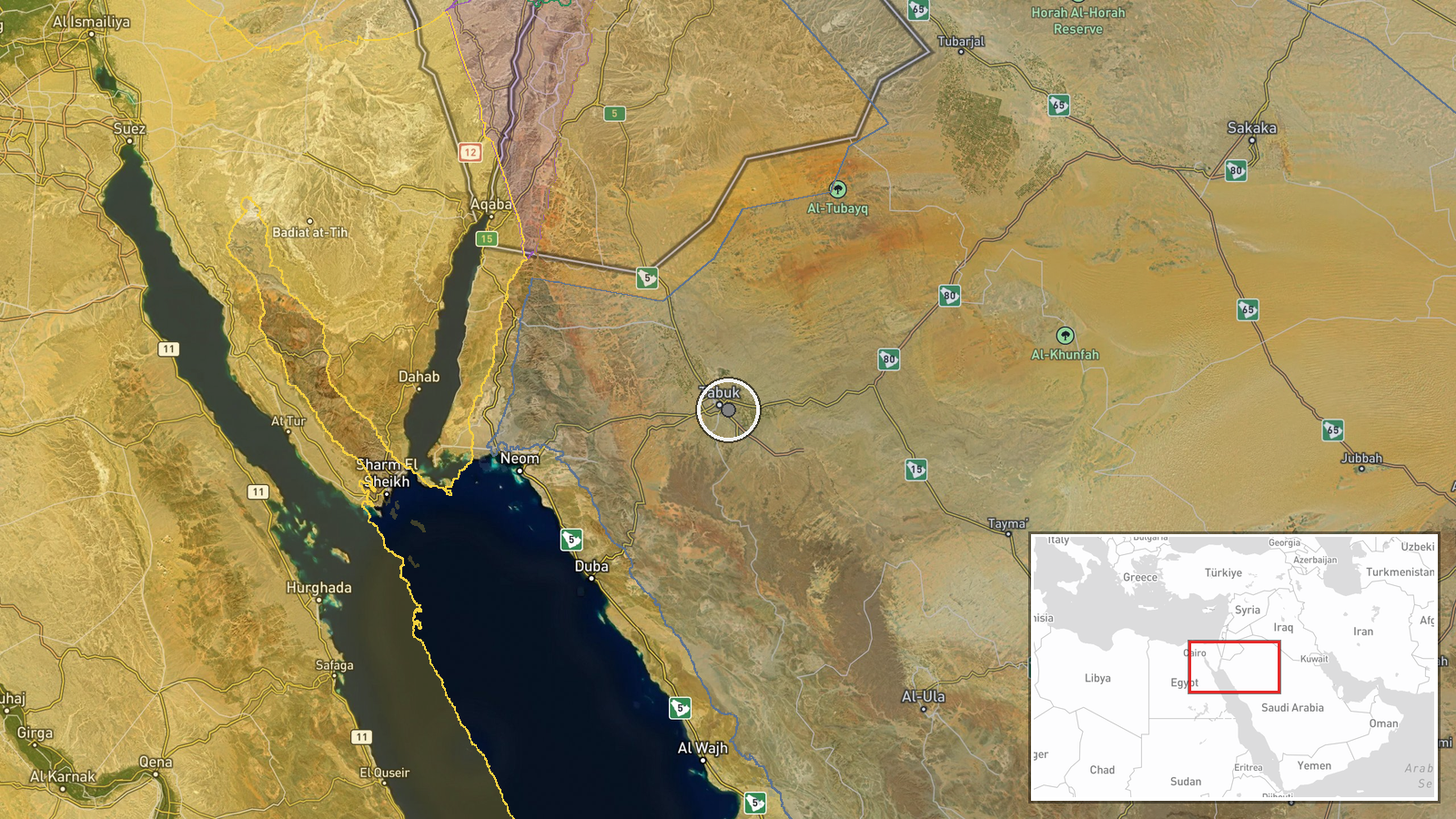
A Flydubai aircraft departing Dubai and bound for Tel Aviv reportedly squawked transponder code 7500—the international signal for hijacking—and altered its flight path on September 30. According to Israeli Channel 12, the incident prompted a security alert. Israeli officials initially assessed that no actual hijacking had occurred. The aircraft was expected to land in Saudi Arabia within minutes of the report, according to sources citing the initial assessment.
Context and assessment
The incident occurred amid heightened regional tensions and statements from Israeli officials expressing concern over military readiness and regional power balances. On September 29, an Israeli Navy official noted that Turkey's naval fleet had grown several times larger than Israel's, while former PM Bennett raised concerns about potential IDF operational capacity. These comments reflect broader anxieties about Israel's strategic position. The flight diversion and hijacking code—whether deliberate, mechanical, or procedural—underscores the sensitivity of airspace and aviation security in the Eastern Mediterranean during a period of political and military strain across the region.
Sources and confidence
Two Telegram and X channels reported the incident (@AJSyriaNow, @ConflictTR). The report cites Israeli Channel 12 as the primary source for the initial Israeli assessment that no hijacking occurred. Cross-confirmation is limited to the two channels. Confidence is moderate (7.5/10) because the incident was confirmed by Israeli media but details remain preliminary and the actual cause of the code squawk and course change has not been officially clarified.
Location
The event was identified by the destination city, Tel Aviv, though the actual incident occurred en route from Dubai. The aircraft reportedly changed course toward Saudi Arabian airspace. Tel Aviv's Ben Gurion Airport is Israel's primary international hub, located approximately 20 kilometers southeast of the city center in central Israel.
▶ View this event on the live map
Intel Mapper aggregates open-source reports from monitored Telegram and X channels, geolocates them, cross-checks duplicates across sources and assigns a confidence score. Entries are updated as new confirmations arrive. Read how we verify events.