Third group of displaced persons returns from Al-Hasaka camps to Ras al-Ain
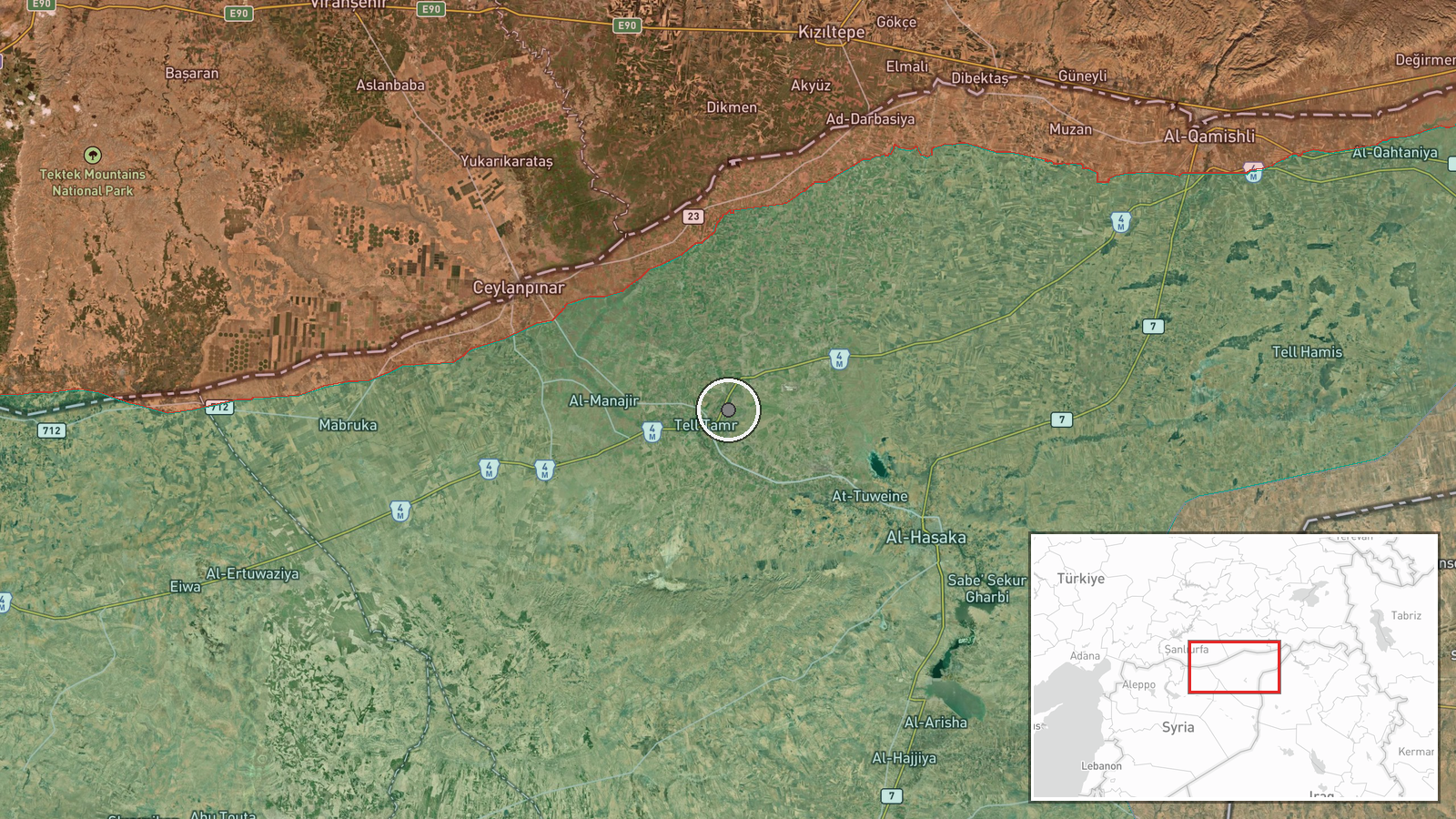
What happened
A third batch of internally displaced persons departed Al-Hasaka camps on October 5 to return to their original areas in Ras al-Ain, in northeastern Syria's Hasaka Governorate. The movement represents an ongoing humanitarian effort to facilitate the return of displaced populations to their home regions. The report was carried by Telegram channel @AJSyriaNow, which documented the departure as part of a series of return movements from the camps.
Context and assessment
Ras al-Ain, located in the northeastern corner of Hasaka Governorate near the Turkish border, has been a focal point of displacement and return movements throughout Syria's conflict. The return of camp residents occurs amid broader stabilization efforts in the region, including rehabilitation of Qamishli International Airport—which entered final repair phases on October 4—and shifting territorial control. Recent HTS military expansion in both Hasaka and Aleppo governorates may have improved security conditions sufficiently to permit organized returns. The timing suggests coordination between humanitarian organizations and local authorities to manage the repatriation process, though the scale and coordination mechanisms remain unclear from available reporting.
Sources and confidence
Single source: Telegram channel @AJSyriaNow. No cross-confirmation from other humanitarian or official Syrian channels reported. Confidence score of 7.5 reflects the verified Telegram source but absence of independent corroboration. Confirmation from UNHCR, Syrian NGOs, or Turkish border monitoring would raise confidence. Contradictory reports of security deterioration or camp closures would lower it.
Location
Ras al-Ain is a town in northern Hasaka Governorate, situated approximately 85 kilometers north-northeast of Hasaka city and adjacent to the Syria-Turkey border. The settlement sits in the Euphrates River valley region. Al-Hasaka camps, the origin point, are located in or around Hasaka city proper, making this a return movement from central Hasaka to its northern border areas.
Related events nearby
- Rehabilitation works on Qamishli International Airport in Hasakah Governorate enter final phases ahead of retu2026-10-04 20:03 UTC · Humanitarian Aid · Qamishli International Airport, Hasakah Governorat
- HTS forces expanded control (~9853 km²) in the Al-Hasakeh area per updated conflict control map.2026-10-05 05:56 UTC · Combat · Al-Hasakeh
- Two fuel tanker trucks collided on the Damascus-Raqqa highway in Raqqa Governorate, resulting in civilian deat2026-10-04 12:53 UTC · Report · Damascus-Raqqa Highway, Raqqa Governorate, Syria
- HTS forces expanded control (~1582 km²) in the Aleppo area per updated conflict control map.2026-10-05 05:56 UTC · Combat · Aleppo
▶ View this event on the live map
Intel Mapper aggregates open-source reports from monitored Telegram and X channels, geolocates them, cross-checks duplicates across sources and assigns a confidence score. Entries are updated as new confirmations arrive. Read how we verify events.