Syria presents documentation of Israeli violations to UN Security Council
What happened
Syria's permanent delegate to the United Nations, Ibrahim Al-Alby, presented documentation of recent Israeli violations occurring in southern Syria during a UN session on October 6, 2026. The presentation was made at UN headquarters in New York. The report, shared via Telegram, did not specify the nature or scale of the alleged violations, their dates, or locations within southern Syria.
Context and assessment
Southern Syria has been a zone of recurring Israeli military operations since the 2015 Russian intervention in the Syrian conflict. Israel has conducted numerous strikes targeting Iranian and Hezbollah positions in the region, particularly along the Lebanon border and near the Golan Heights. Syria's formal documentation of such incidents at the UN reflects an effort to establish an international record of cross-border military activity. Presentations of this kind typically aim to pressure the Security Council to investigate or condemn alleged violations of Syrian sovereignty, though such diplomatic moves have limited practical effect given existing geopolitical divisions on the Council.
Sources and confidence
The event is reported by a single Telegram channel, @AJSyriaNow, with no cross-confirmation from other media outlets or UN statements. The source count of one and lack of corroboration limit confidence. Additional confirmation from UN meeting records, Syrian state media, or international news agencies would strengthen the assessment. The confidence score of 7.5 reflects the plausibility of the event against a reported pattern, but verification remains limited to a single channel.
Location
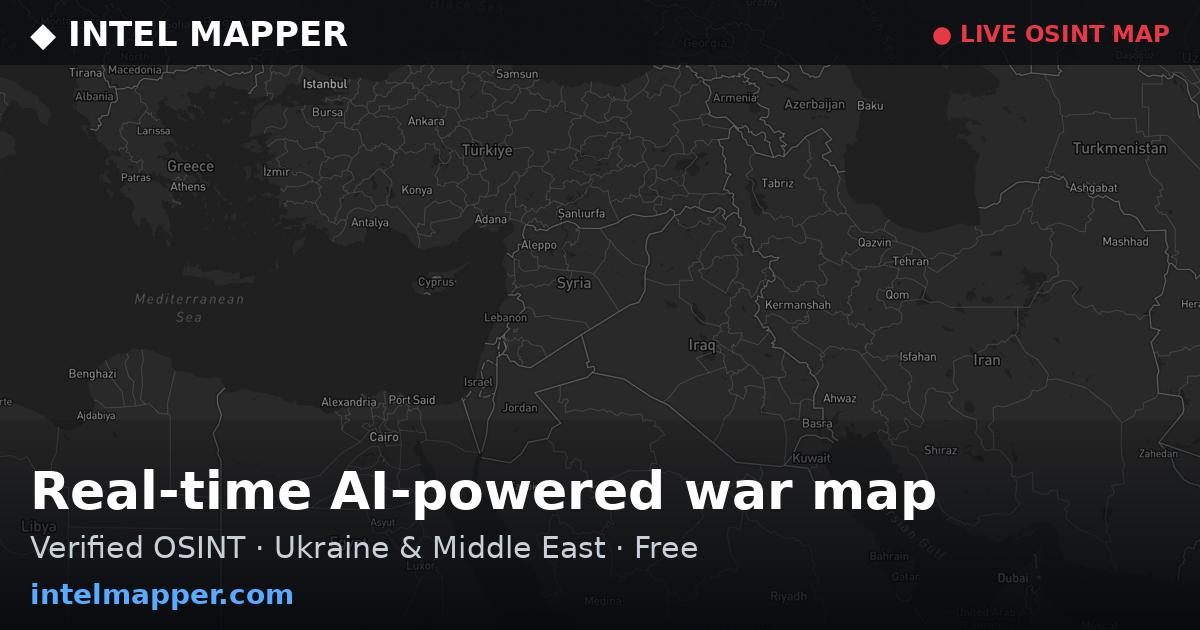
The UN Headquarters is located in New York City on the East River at coordinates 40.7489°N, 73.968°W. The presentation occurred at this diplomatic venue rather than at the location of the alleged violations. Southern Syria, the subject of Al-Alby's documentation, encompasses the provinces of Daraa and Quneitra, bordering the Israeli-occupied Golan Heights and Lebanon.
▶ View this event on the live map
Intel Mapper aggregates open-source reports from monitored Telegram and X channels, geolocates them, cross-checks duplicates across sources and assigns a confidence score. Entries are updated as new confirmations arrive. Read how we verify events.