Syrian Interior Ministry arrests 18-member criminal gang in Aleppo security operation
What happened
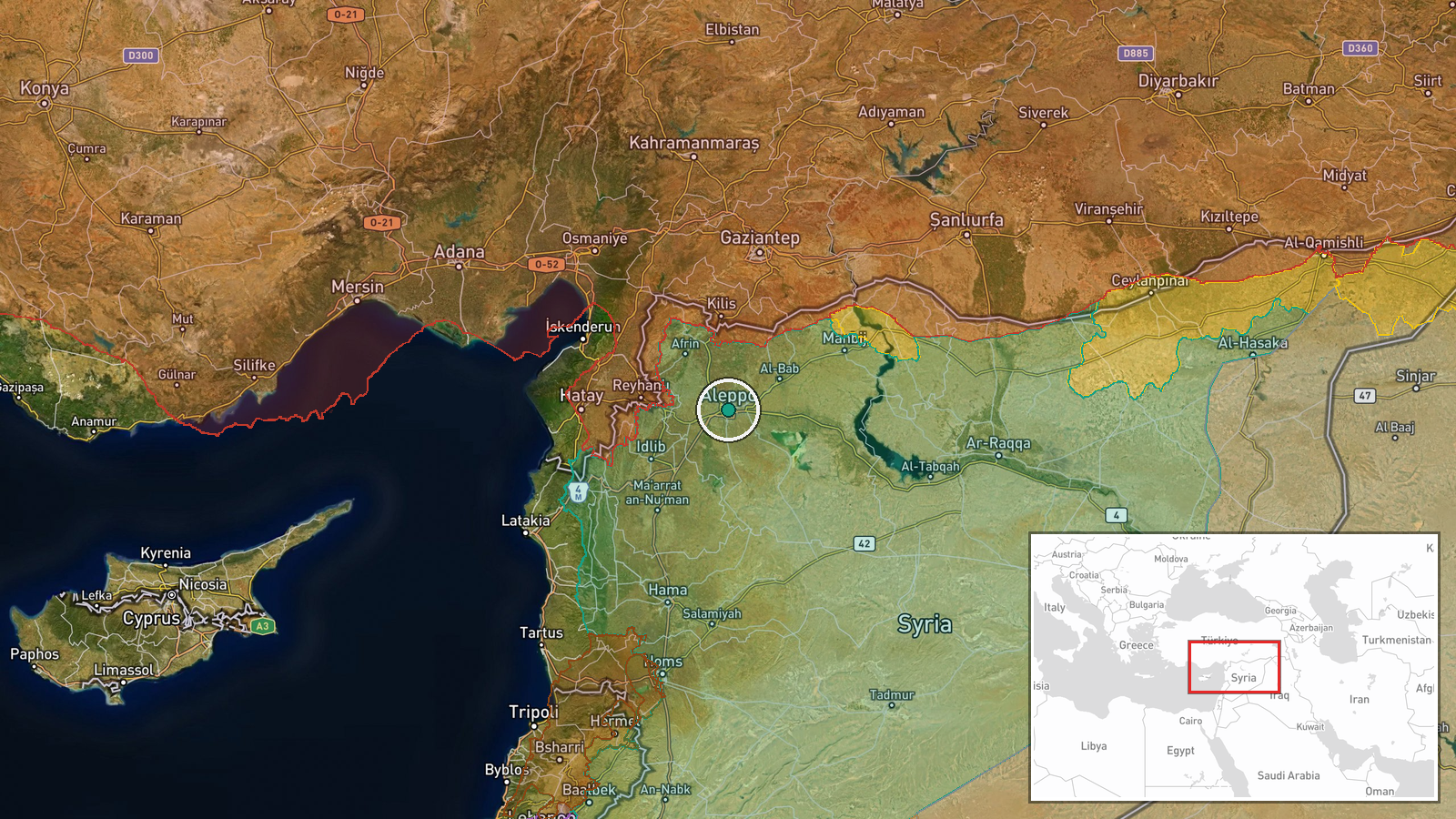
Syrian Interior Ministry security forces conducted a security operation in Aleppo on October 7, reportedly arresting an 18-member criminal gang. According to the announcement via Telegram, the operation resulted in the seizure of stolen motorcycles, narcotics, weapons, and mobile phones from those detained. The statement was released by the Interior Ministry's official channels without additional operational details.
Context and assessment
Aleppo, Syria's largest city before the conflict, has experienced significant security challenges in recent years as state authority has been reasserted across northern Syria. Criminal networks operating in urban centers like Aleppo typically exploit ongoing instability and weak institutional capacity to engage in theft, drug trafficking, and arms smuggling. Interior Ministry operations targeting organized crime reflect efforts to consolidate state control and restore civilian law and order in recovered territories. Such operations may indicate either routine security enforcement or a response to perceived criminal escalation, though single-source reporting limits assessment of the operation's scale or significance.
Sources and confidence
Report sourced from Telegram channel @AJSyriaNow, an Arabic-language news channel covering Syrian affairs. Single-source reporting with no independent cross-confirmation identified. Confidence score of 7.5 reflects official government announcement but limited corroboration. Confirmation from international media outlets or second official source would increase confidence; video evidence or independent witness accounts would provide higher certainty.
Location
Aleppo city, northern Syria's largest urban center, located approximately 350 kilometers north of Damascus. Coordinates place the report at city-level precision. Aleppo remains a key urban node following its recapture by Syrian government forces, with ongoing efforts to restore civilian administration and security infrastructure.
▶ View this event on the live map
Intel Mapper aggregates open-source reports from monitored Telegram and X channels, geolocates them, cross-checks duplicates across sources and assigns a confidence score. Entries are updated as new confirmations arrive. Read how we verify events.