Syrian authorities arrest suspect in 2013 Banias massacre; local celebrations reported
What happened
Syrian General Intelligence and Interior Ministry forces arrested Mihraç Ural, known by the alias Ali Kayali, reportedly the primary suspect in the 2013 Banias massacre. The arrest was announced on 15 October 2026. According to reports from activist networks, the announcement prompted public celebrations in local villages. The timing follows an earlier report the same day of Ural's arrest during an attempted border escape.
Context and assessment
The 2013 Banias massacre was a significant atrocity during Syria's civil war, widely documented as a mass killing by pro-Assad forces. Ural has long been sought by accountability advocates and international observers for his alleged role in the attack. His arrest may signal a shift in Syrian government priorities or external pressure regarding accountability for wartime crimes. The public reaction in villages affected by or connected to the massacre suggests lingering grievances and tentative faith in justice processes. This arrest occurs amid broader Syrian security operations, though the operational rationale remains unclear.
Sources and confidence
Reported by Telegram channel @AJSyriaNow, an activist-oriented news source. Single-source reporting limits independent confirmation; no corroborating official Syrian government statements are evident in available data. Confidence score of 7.6 reflects the credible activist network source but single-channel basis. Confirmation from Syrian state media or international monitoring bodies would raise confidence; clarification of arrest circumstances or evidence would strengthen the assessment.
Location
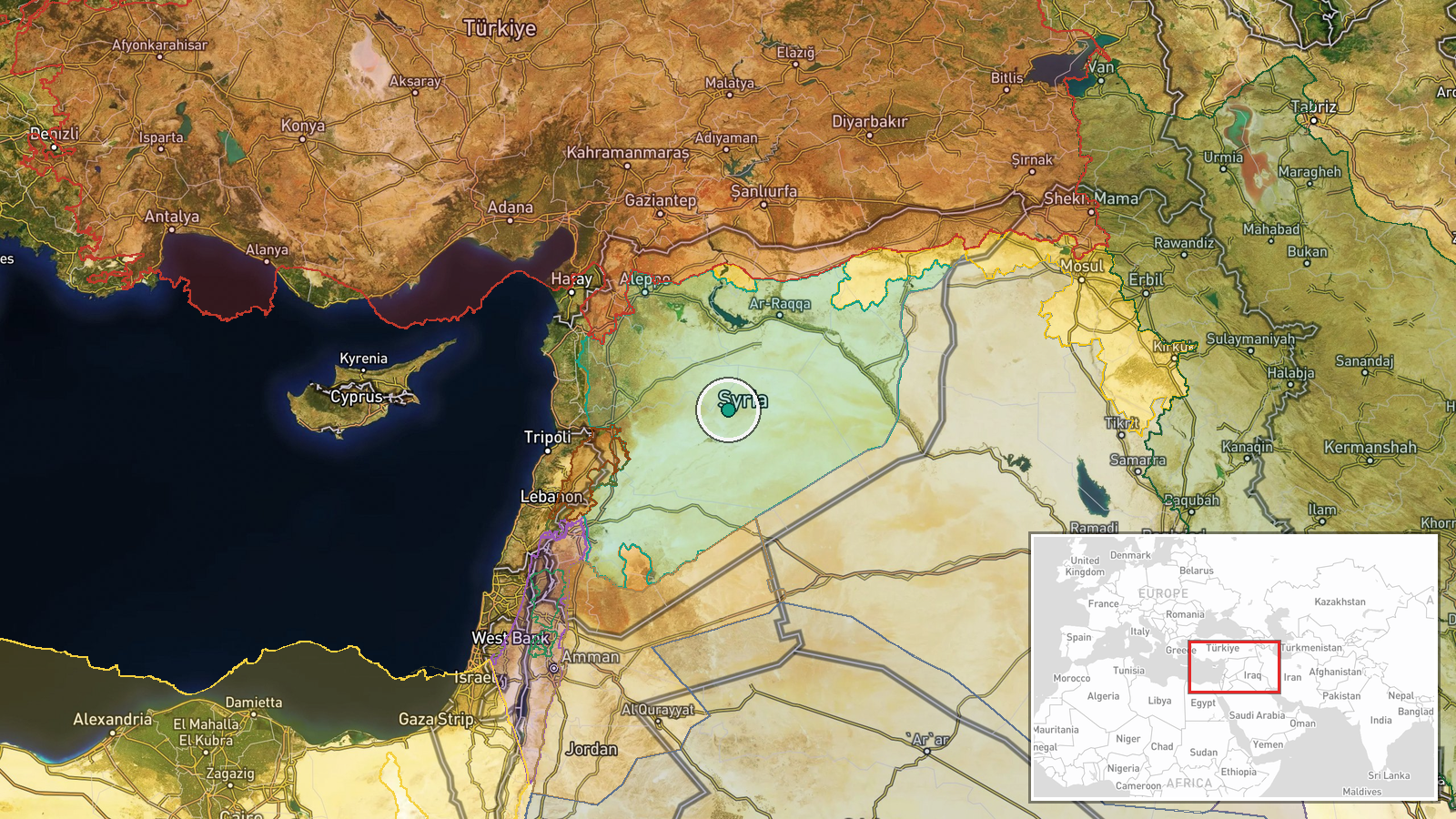
Arrest location not specified in reporting; coordinates represent central Syria region. The Banias massacre occurred in the coastal province of Tartus in 2013. Celebrations reported in 'local villages' suggests areas affected by or connected to the original massacre, likely in Tartus or nearby Latakia province, though precise locations remain unconfirmed.
Related events nearby
- Syrian General Intelligence arrested Ali Kayali (alias Mihrac Ural), suspected leader of pro-Assad militia Syr2026-10-15 09:15 UTC · Security · Syria (location not reported)
- Syrian Interior Ministry security forces arrested a man suspected of shooting and killing a civilian during an2026-10-14 14:56 UTC · Security · Syria (location not reported)
▶ View this event on the live map

Intel Mapper aggregates open-source reports from monitored Telegram and X channels, geolocates them, cross-checks duplicates across sources and assigns a confidence score. Entries are updated as new confirmations arrive. Read how we verify events.