Ukrainian drones strike Yandex data center in western Russia, triggering fires and service outages
What happened
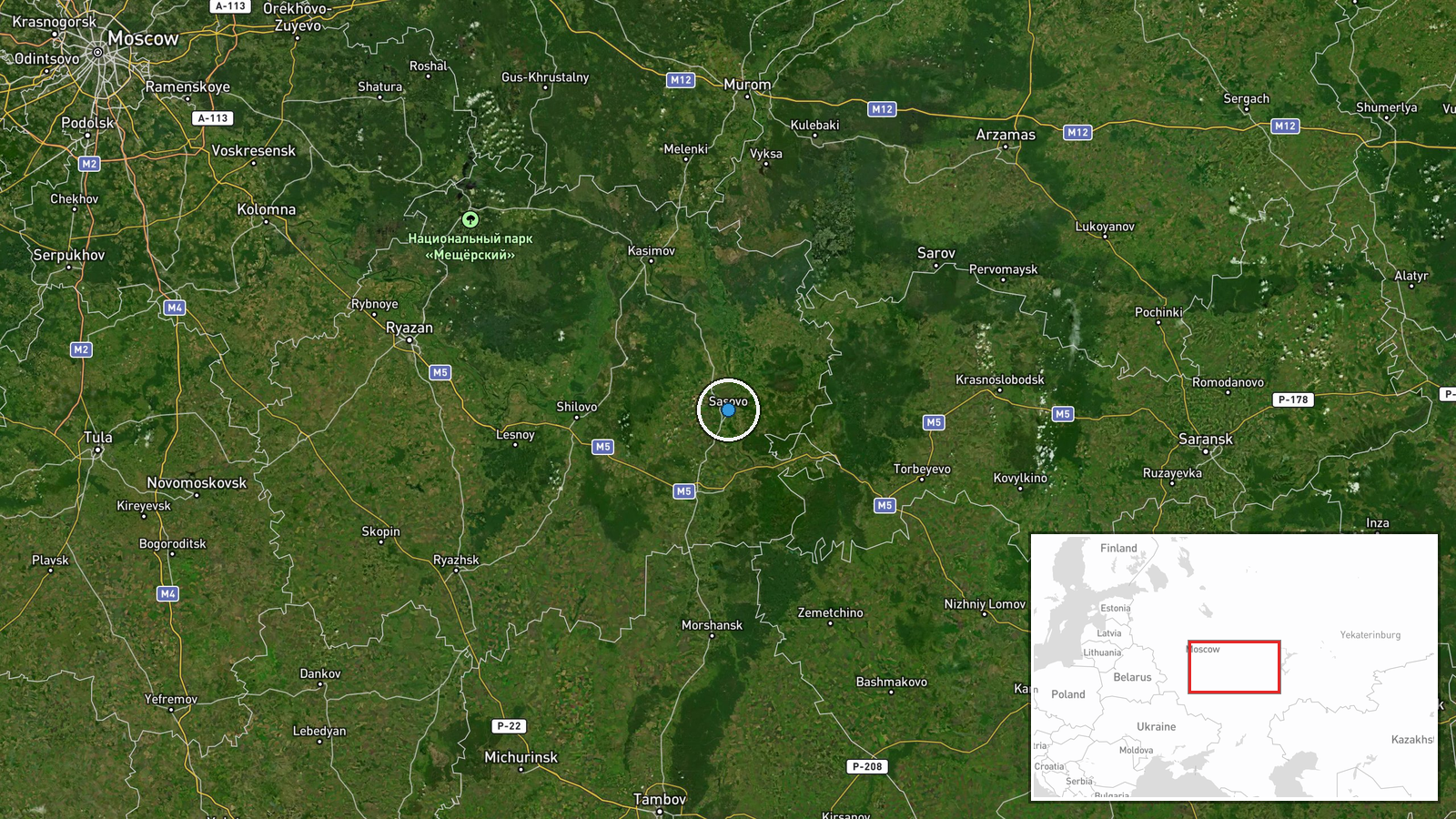
Ukrainian drones attacked a major Yandex data center in Sasovo, Ryazan Oblast, early on October 8, according to Telegram channel ClashReport. The strike sparked fires at the facility and caused power disruptions affecting Yandex's cloud services across its network. The same site houses the Sasta machine-tool plant, a supplier to Russia's defense sector, which was also damaged in the attack.
Context and assessment
Sasovo sits roughly 400 kilometers southeast of Moscow in Russia's western industrial region. Yandex operates one of Russia's largest cloud infrastructure networks, critical to Russian government services, businesses, and the military supply chain. Targeting dual-use infrastructure—particularly data centers supporting both civilian and defense operations—has become a recurring Ukrainian strategy. Such strikes aim to degrade Russian command-and-control capabilities and industrial coordination while avoiding direct military targets. The co-location of civilian cloud services with defense-sector suppliers underscores how integrated Russia's infrastructure has become, making civilian nodes legitimate targets under Ukrainian targeting doctrine.
Sources and confidence
The report comes from a single Telegram source, ClashReport, with no stated cross-confirmation from Ukrainian official channels or independent verification. The confidence score of 7.0 reflects plausible operational pattern and specificity of detail, but single-source reporting limits certainty. Confirmation from Ukrainian military officials, Russian damage assessments, or independent infrastructure monitoring would strengthen confidence.
Location
Sasovo is a town of approximately 40,000 residents in Ryazan Oblast, roughly 400 kilometers southeast of Moscow. The data center and machine-tool plant occupy a shared industrial site. The location lies within range of Ukrainian long-range drone operations but represents significant standoff distance from Ukrainian-controlled territory.
▶ View this event on the live map
Intel Mapper aggregates open-source reports from monitored Telegram and X channels, geolocates them, cross-checks duplicates across sources and assigns a confidence score. Entries are updated as new confirmations arrive. Read how we verify events.