Israeli military chief warns U.S. on Iran escalation risks before elections
What happened
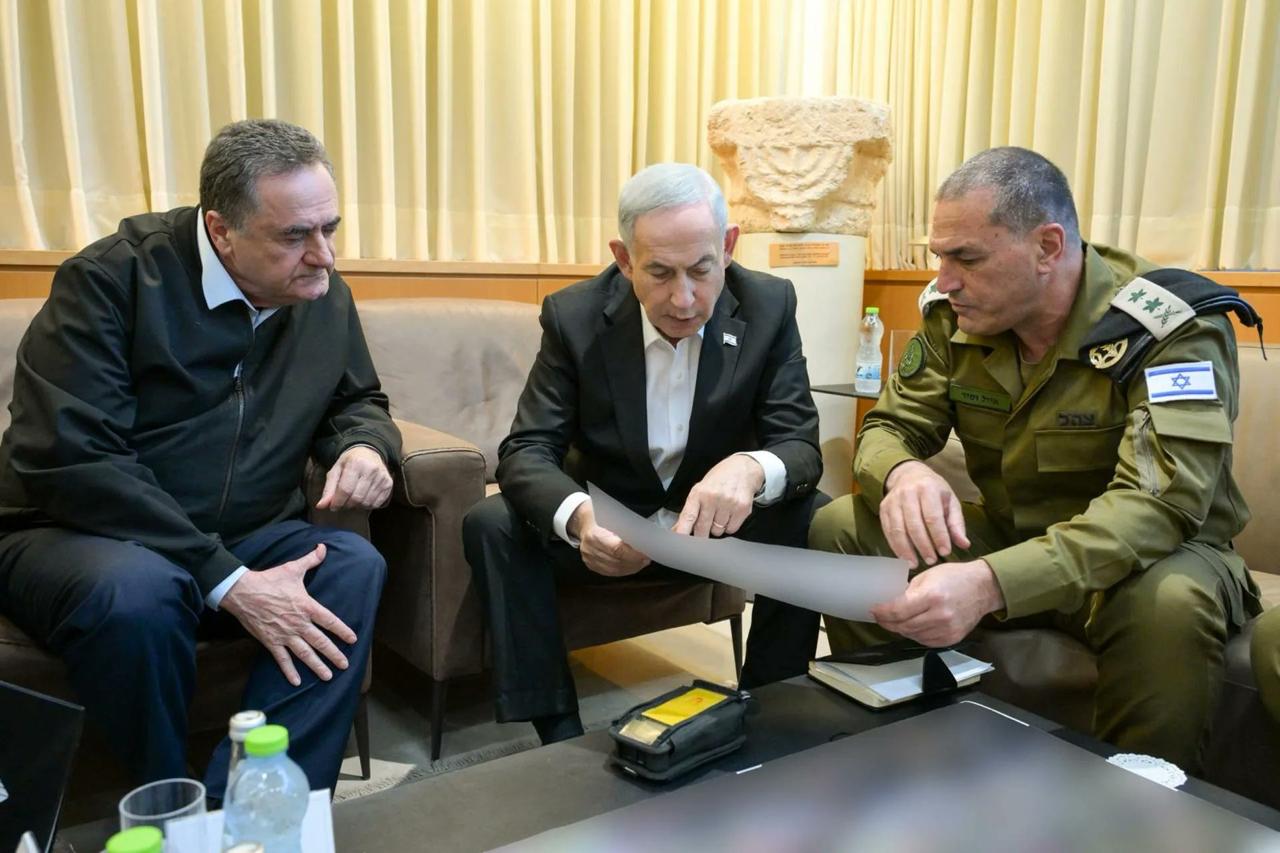
Israeli military chief Lt. Gen. Eyal Zamir warned senior U.S. officials on October 8 that a resumption of military operations against Iran within three weeks could force Israel to postpone its October 27 elections due to expected Iranian missile retaliation. The warning followed a U.S. briefing on preparations for renewed operations against Iran. According to Axios, the statement reflected Israeli concerns about the timing and consequences of potential escalation.
Context and assessment
The warning reflects deepening Israeli-U.S. coordination on Iran policy amid ongoing regional tensions. It occurs as Israeli leadership faces significant domestic political pressure, with elections scheduled for late October and multiple senior officials—from Foreign Minister Saar to National Security Minister Ben-Gvir—making public statements on military strategy and diplomatic relations. The statement suggests Israeli planners view a near-term Iran escalation as operationally feasible but politically disruptive. The timing of Zamir's warning, coupled with recent U.S. decisions to defer strikes until after U.S. midterm elections, indicates both nations are factoring electoral calendars into military planning, a pattern that may affect the pace of regional escalation.
Sources and confidence
Reported by Axios via Telegram channel ClashReport on October 8. Single-source reporting limits independent verification; confidence of 7/10 reflects the reliability of the primary source but absence of cross-confirmation from other outlets. Confidence would increase with corroboration from Israeli or U.S. official statements; would decrease if contradicted by subsequent Israeli military or government positions.
Location
Jerusalem, Israel, where Israeli military and government leadership conduct strategic communications with foreign officials. The statement was made during a meeting between Zamir and senior U.S. officials, likely in diplomatic settings in the Israeli capital.
Related events nearby
- Israeli FM Gideon Saar announces UK Consulate General downgrade: 20 British diplomats and Consul General to de2026-10-08 07:01 UTC · Statement · Jerusalem, Israel
- Israeli Opposition Leader Yair Lapid condemns PM Netanyahu's security policy, claiming Hamas, Qatar, and Iran 2026-10-07 21:27 UTC · Statement · Jerusalem, Israel
- Israeli Foreign Minister Gideon Sa'ar states that British and other left-wing European governments fully suppo2026-10-07 19:34 UTC · Statement · Jerusalem, Israel
- Israeli National Security Minister Ben-Gvir advocates for aggressive military posture, rejecting defensive str2026-10-07 19:27 UTC · Statement · Jerusalem, Israel
- Israeli PM hopeful Gadi Eisenkot proposes new security arrangement with Syria based on 1974 agreement, backed 2026-10-07 19:00 UTC · Statement · Jerusalem, Israel
▶ View this event on the live map

Intel Mapper aggregates open-source reports from monitored Telegram and X channels, geolocates them, cross-checks duplicates across sources and assigns a confidence score. Entries are updated as new confirmations arrive. Read how we verify events.