Projectile strikes Terminal 4 at Riyadh airport; fire breaks out
What happened
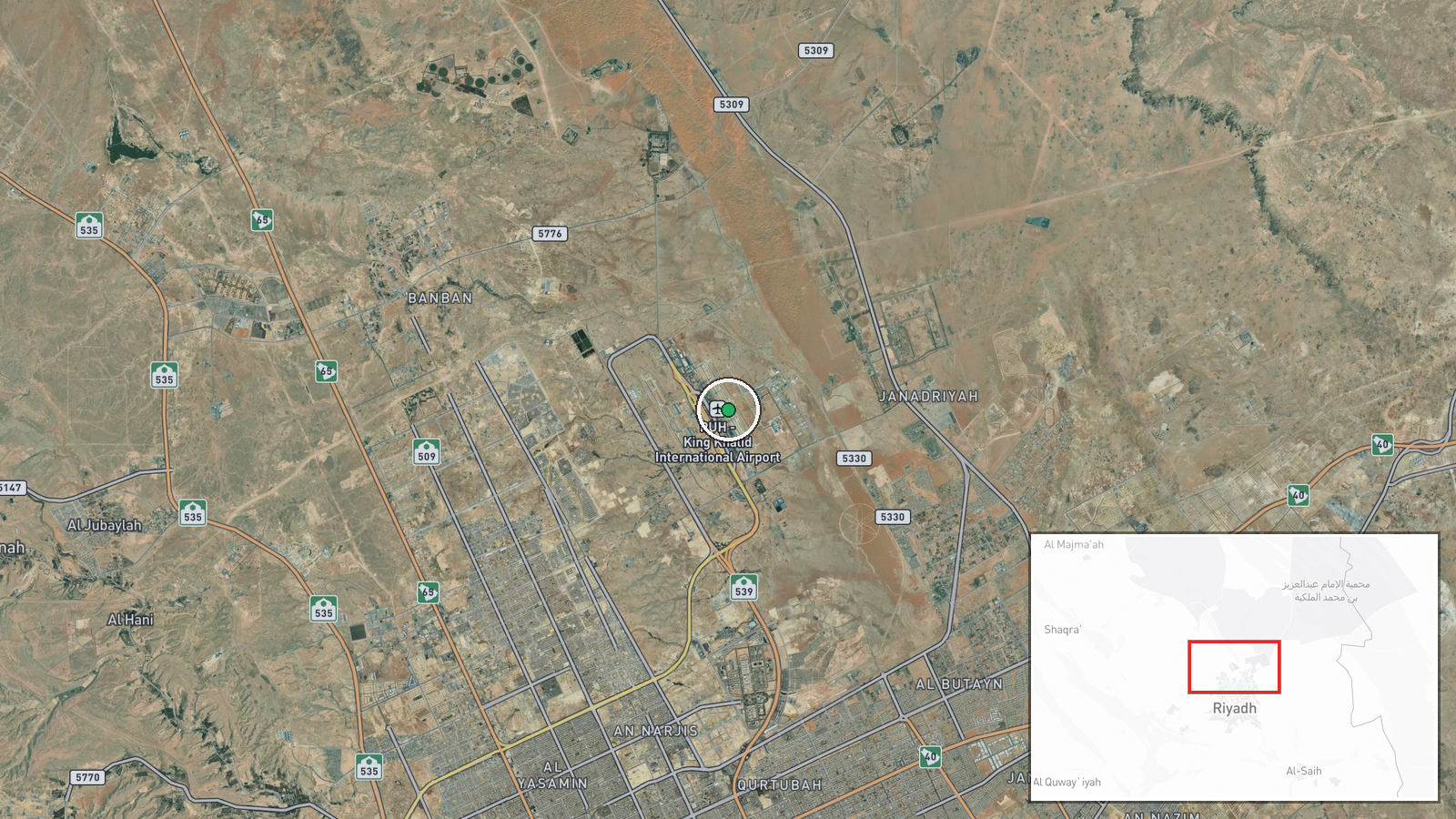
A projectile reportedly struck Terminal 4 at King Khalid International Airport in Riyadh on October 11 at 14:39 UTC, according to the Saudi-led coalition. The impact ignited a fire that authorities worked to contain. The Saudi-led coalition did not immediately identify the projectile type. This incident followed a confirmed Houthi ballistic missile attack on the same airport the previous day that killed 12 people and injured hundreds.
Context and assessment
King Khalid International Airport is Saudi Arabia's primary civilian aviation hub and a strategic target. The strike on Terminal 4 represents a second attack on the facility within 18 hours, suggesting either a coordinated campaign or sustained capability to penetrate Saudi air defenses. The Houthi group, backed by Iran, has conducted repeated strikes against Saudi infrastructure over years of conflict. The proximity of these two incidents—one confirmed with casualties, one reportedly causing a fire—may indicate either renewed operational tempo or degraded Saudi air defense effectiveness. International responses, including from Israel and Syria, underscore the attack's significance to regional stability.
Sources and confidence
Two Telegram channels (@ClashReport and @AJSyriaNow) reported the incident. Confidence of 8.6 reflects corroboration across sources but reliance on channel reporting rather than official Saudi government statements. The confidence would increase with direct confirmation from Saudi civil aviation or defense authorities. It would decrease if the fire cause is later attributed to other factors.
Location
Terminal 4 is located at King Khalid International Airport approximately 35 kilometers north of central Riyadh. The airport coordinates place the facility in the northern suburbs of the Saudi capital. Terminal 4 is a major passenger terminal serving international flights.
Related events nearby
- Houthi ballistic missile strike on King Khalid International Airport, Riyadh confirmed: 12 killed (4 Saudis, 22026-10-10 21:50 UTC · Ballistic Missile · King Khalid International Airport, Riyadh, Saudi A
- Israeli PM Netanyahu condemns Houthi ballistic missile attack on King Khalid International Airport in Riyadh t2026-10-11 14:02 UTC · Statement · King Khalid International Airport, Riyadh, Saudi A
- Syrian Foreign Ministry condemns Houthi ballistic missile strike on King Khalid International Airport in Riyad2026-10-11 07:22 UTC · Statement · King Khalid International Airport, Riyadh, Saudi A
▶ View this event on the live map

Intel Mapper aggregates open-source reports from monitored Telegram and X channels, geolocates them, cross-checks duplicates across sources and assigns a confidence score. Entries are updated as new confirmations arrive. Read how we verify events.