Iran to Respond to U.S. Hormuz Proposal Through Mediators as Nuclear Talks Stall
What happened
Iran announced on October 12 that it will respond to a U.S. proposal regarding the Strait of Hormuz through diplomatic mediators after conducting an internal review. The announcement came as broader nuclear negotiations between Tehran and Washington remain deadlocked over fundamental disagreements: Iran's stated conditions for any agreement and the U.S. position on nuclear demands. The response will be conveyed indirectly rather than through direct bilateral channels.
Context and assessment
The Strait of Hormuz, through which roughly one-fifth of global petroleum transit passes, has been a point of escalating friction between Iran and the United States. Iran's Foreign Ministry has recently dismissed American claims of regional dominance and insisted that Tehran maintains operational control in the waterway. Today's diplomatic overture occurs amid a broader pattern of Iranian statements challenging U.S. assertions and signaling willingness to engage through intermediaries. Simultaneously, Iranian officials have positioned themselves as mediators in other regional conflicts, including the Saudi-Houthi tensions, suggesting Tehran may view diplomatic channels as a strategic avenue as nuclear talks remain frozen.
Sources and confidence
Reported solely by Telegram channel ClashReport. No corroborating sources confirm the announcement at present. The single-source reporting and the formal diplomatic nature of the statement—typical of official Iranian communications—support moderate confidence. Cross-confirmation from U.S. State Department statements, Iranian Foreign Ministry official channels, or mediator governments would substantially raise confidence. Lack of detail on the proposal's content or stated Iranian preconditions limits assessment of significance.
Location
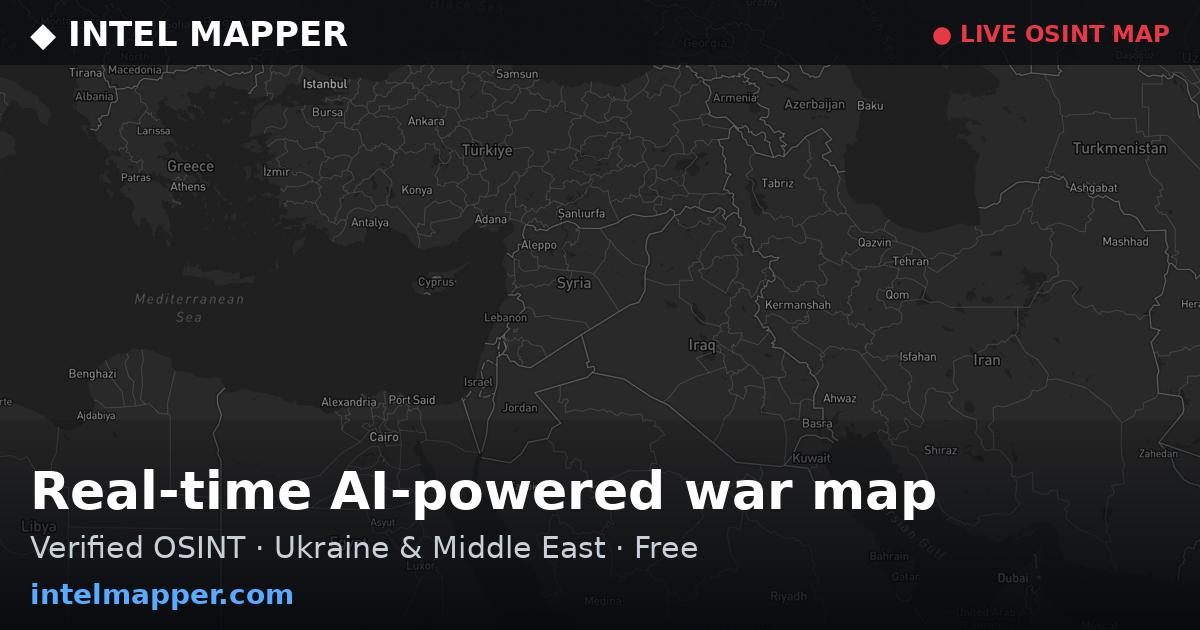
Tehran, Iran (35.6892°N, 51.389°E). The announcement originates from Iran's capital, where the Foreign Ministry and senior decision-making bodies are based. The reference is to Iran's policy regarding the Strait of Hormuz, a maritime chokepoint 1,500 kilometers southeast of Tehran controlling access to the Persian Gulf and major oil and gas export routes.
Related events nearby
- IRGC Navy reports third rogue supertanker struck naval mine in unauthorized Strait of Hormuz route, causing en2026-10-11 17:48 UTC · Report · Strait of Hormuz, Persian Gulf
- UK Maritime Trade Operations (UKMTO) reported a tanker struck on its port side by an unidentified projectile w2026-10-11 13:47 UTC · Cargo Ship · Strait of Hormuz, Persian Gulf
▶ View this event on the live map

Intel Mapper aggregates open-source reports from monitored Telegram and X channels, geolocates them, cross-checks duplicates across sources and assigns a confidence score. Entries are updated as new confirmations arrive. Read how we verify events.