Russia strikes Ukrainian energy infrastructure and gas stations in Kyiv region
What happened
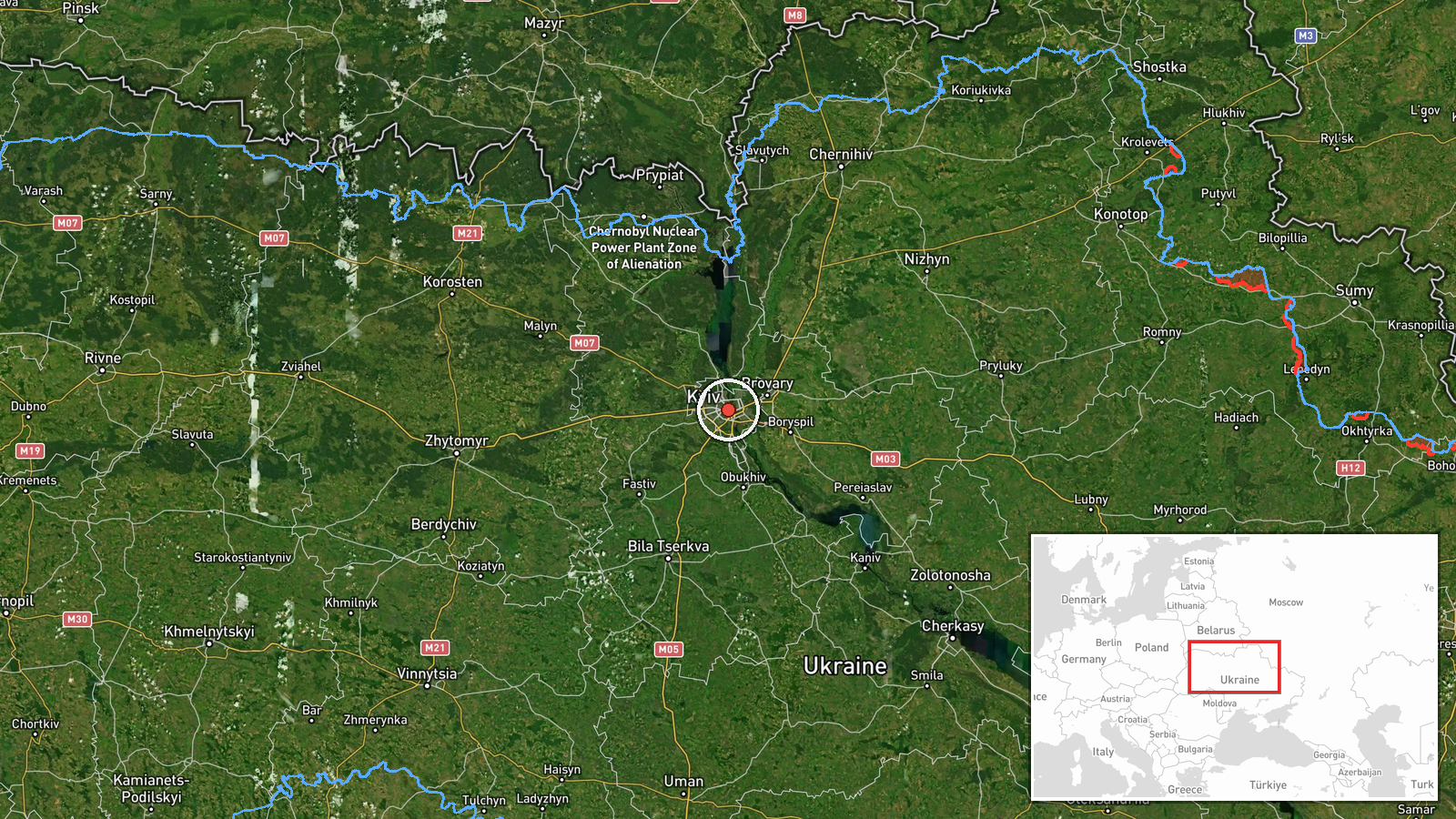
Russian forces conducted strikes targeting Ukrainian gas stations, energy infrastructure, and other facilities in the Kyiv region on October 12, according to Telegram channel ClashReport. The report does not specify the attack type, scale, or any resulting damage. The strikes occurred hours after President Zelensky publicly renewed an offer for an energy ceasefire, proposing that Ukraine halt strikes on Russian oil refineries if Russia ceased attacks on Ukrainian energy infrastructure.
Context and assessment
Ukraine's energy sector has faced sustained Russian targeting throughout the conflict, with critical infrastructure repeatedly hit during cold months and strategically. The timing of these strikes is notable given Zelensky's ceasefire proposal earlier the same day, suggesting Russia did not immediately reciprocate the diplomatic overture. The attacks reflect the ongoing pattern of mutual targeting of energy assets, with Ukraine striking Russian refineries while Russia targets Ukrainian power generation and fuel distribution. Such strikes constrain Ukraine's operational capacity and civilian logistics while also signaling Russian rejection or disregard of ceasefire discussions at that moment.
Sources and confidence
Single source report from Telegram channel ClashReport. Confidence score of 7.3 reflects limited corroboration and absence of official Ukrainian or Russian confirmation. Cross-confirmation from multiple independent channels or official statements would strengthen confidence. Specifics on attack type, scale, and damage would also improve reliability assessment.
Location
Kyiv region, determined at regional precision level (approximate). The capital and surrounding oblast represent Ukraine's administrative and economic center. Specific targeted facilities within the broader Kyiv area are not pinpointed in available reporting, indicating either dispersed targeting or lack of detailed source information on precise strike locations.
Related events nearby
- President Zelensky rejects Trump's call to replace him, stating only Ukrainian voters can choose their leader.2026-10-12 16:00 UTC · Statement · Kyiv, Ukraine
- President Zelensky renews offer for energy ceasefire: Ukraine willing to halt strikes on Russian oil refinerie2026-10-12 13:32 UTC · Statement · Kyiv, Ukraine
- President Zelensky accuses Russia of committing genocide in Krynky by blocking humanitarian access and prevent2026-10-12 08:49 UTC · Statement · Kyiv, Ukraine
- President Zelensky questions why the U.S. has not concluded a diesel fuel deal with Ukraine, asserting Ukraini2026-10-12 08:40 UTC · Statement · Kyiv, Ukraine
- President Zelensky states Ukraine learned about Trump's proposed energy ceasefire from media reports rather th2026-10-12 08:38 UTC · Statement · Kyiv, Ukraine
▶ View this event on the live map

Intel Mapper aggregates open-source reports from monitored Telegram and X channels, geolocates them, cross-checks duplicates across sources and assigns a confidence score. Entries are updated as new confirmations arrive. Read how we verify events.