Russia declares Assad asylum 'irrevocable,' rules out extradition to Syria
What happened
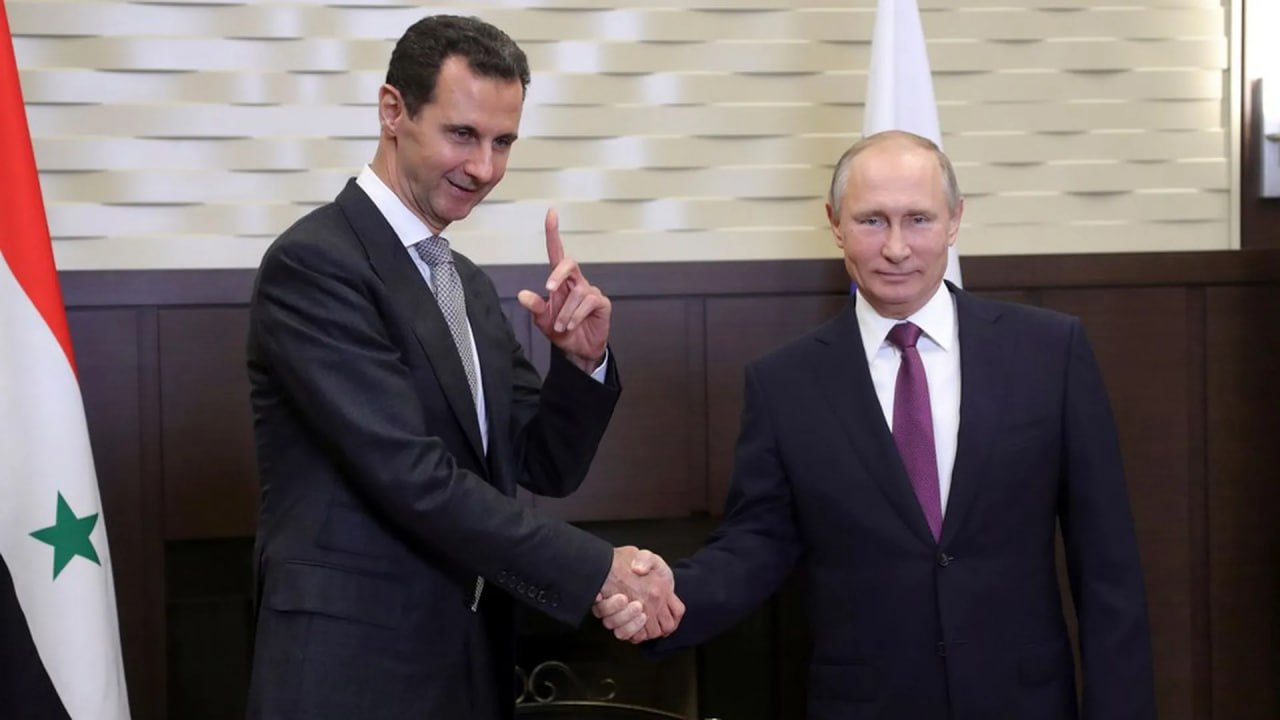
Russian Deputy Foreign Minister Georgy Borisenko announced on October 15 that Moscow's decision to grant asylum to former Syrian President Bashar al-Assad is final and that Russia will not extradite him. Al-Assad fled Syria in December 2024 as the Assad government collapsed. He was sentenced to death in absentia by a Syrian court in August 2026 for war crimes and crimes against humanity. Borisenko's statement represents an explicit legal commitment by Russia regarding Assad's status.
Context and assessment
Russia has hosted Assad since his flight from Damascus, positioning itself as a sanctuary for the ousted leader amid Syria's HTS-led government transition. Borisenko's declaration follows recent Russian statements expressing positive engagement with Syria's new authorities, including praise for stability efforts and negotiations over Russia's military presence in the country. The irrevocable asylum pledge appears designed to protect Assad from any Syrian legal process or international pressure while Russia simultaneously builds relations with his successors. This suggests Russia is compartmentalizing its interests: maintaining Assad as a geopolitical asset while pragmatically engaging the new Syrian administration to preserve military and strategic footholds.
Sources and confidence
Reported by Telegram channel @ClashReport citing Borisenko's statement. Single-source reporting limits independent verification; the statement reflects official Russian policy as articulated by a senior diplomat. Confidence of 7.1 reflects authoritative source but lack of corroboration from additional channels. Confirmation from Russian state media or second-source reporting would raise confidence; absence of follow-up would lower it.
Location
Statement issued in Moscow, Russia, the seat of the Russian Foreign Ministry and center of Russian government decision-making on Syria policy. Moscow has been Assad's residence since his departure from Syria in late 2024.
Related events nearby
- Russian Deputy Foreign Minister Georgy Borisenko stated Russia views Syria's HTS-led government positively, pr2026-10-14 20:40 UTC · Statement · Moscow, Russia
- Russian Deputy Foreign Minister Georgy Borisenko announced that Russia and Syria will likely sign an agreement2026-10-14 16:08 UTC · Diplomacy ·
▶ View this event on the live map

Intel Mapper aggregates open-source reports from monitored Telegram and X channels, geolocates them, cross-checks duplicates across sources and assigns a confidence score. Entries are updated as new confirmations arrive. Read how we verify events.