Russian ballistic missile strike on Kyiv kills one, injures three and damages metro infrastructure
What happened
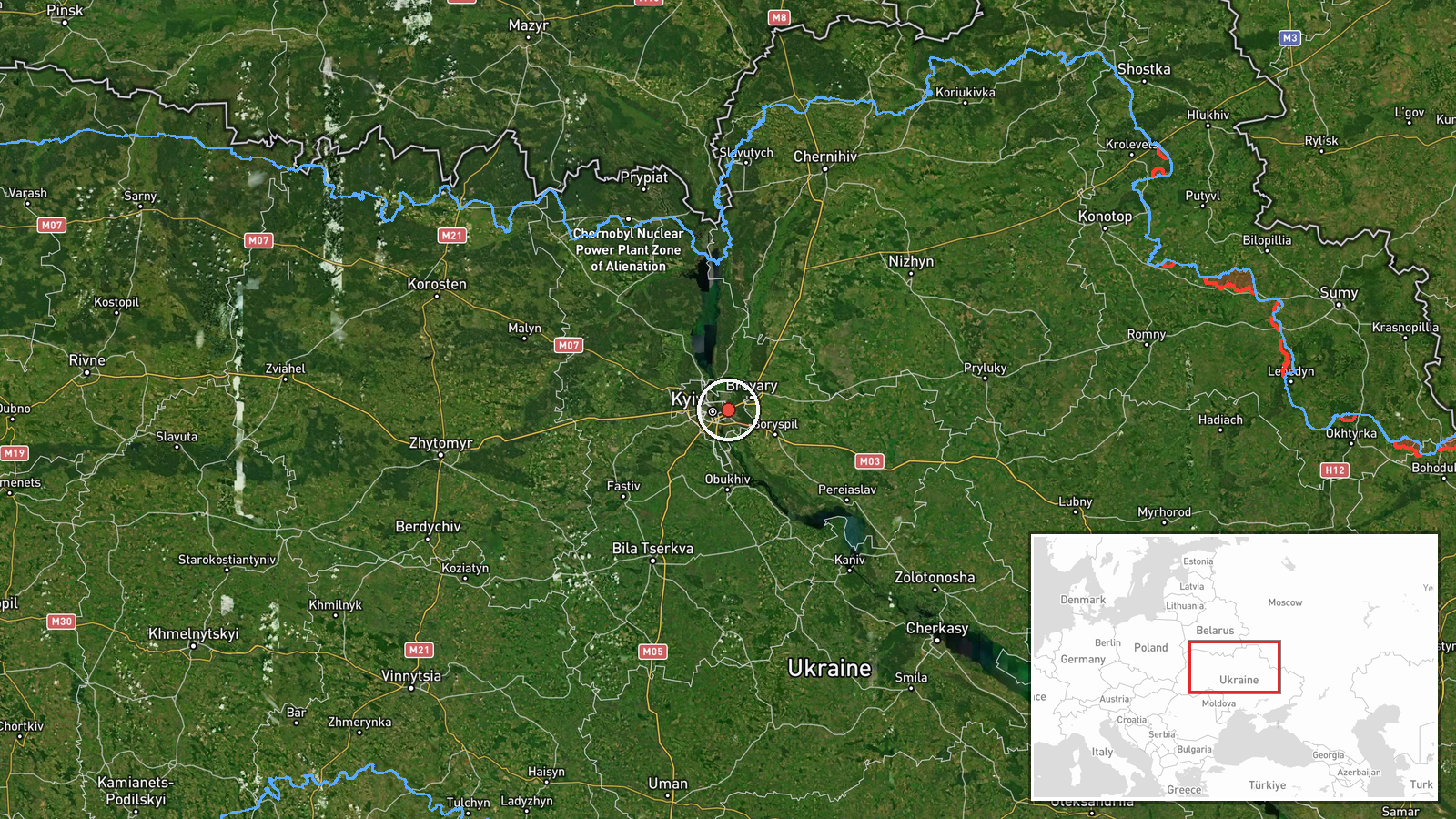
A Russian ballistic missile strike on Kyiv on 19 October 2026, logged at 04:20 UTC, reportedly killed a 21-year-old woman and injured three people. According to the event summary, debris struck a residential building, and the Kyiv Metro was damaged, with Chernihivska and Lisova stations closed. Ukrainian reporting, as summarised, states that partners gave no advance warning of the attack. The event rests on a single Telegram channel, @ClashReport. Its accompanying text describes a panoramic view of several ballistic missiles striking Kyiv and says they targeted energy infrastructure. That targeting claim is the channel's characterisation and is not confirmed by the other data. The map point is placed at Chernihivska metro station.
Context and assessment
Kyiv is Ukraine's capital and a dense urban centre, so strikes there carry political weight and affect large civilian populations. The attack follows a sequence on 18 October. At 07:11 UTC, Ukrainian air monitoring tracked a single Russian Shahed-type drone heading toward Berezniaky in Kyiv. That evening, two separate entries record a Russian ballistic missile over Kyiv, both logged at 19:59 and one at 20:00. These may be duplicate logs of one launch rather than distinct launches, so the count should be treated cautiously. The pattern suggests a sustained effort against the city across roughly 24 hours, combining slower drones with faster ballistic missiles. Ballistic missiles are harder to intercept than drones, which may explain damage in built-up areas. The reported energy-infrastructure targeting, if accurate, would fit a campaign aimed at power and utilities. Damage to the metro, which is often used as a shelter, may be an operational side effect or a deliberate disruption of civilian routines. The General Staff loss tally published at 03:48 UTC on 19 October is administrative and is not linked to this strike.
Sources and confidence
The event is attributed to one channel, Telegram @ClashReport, so source_count is 1 and no independent cross-confirmation is recorded. The confidence score of 7.3 reflects a plausible, specific report with a clear location and timestamp, offset by the single-channel basis and the unverified targeting claim. Confidence would rise with confirmation from wire agencies, the Ukrainian Air Force, Kyiv city authorities or the metro operator, hospital casualty statements, or geolocated and dated imagery of the building and station. It would fall if the video proved to be older footage, from a different city, or unconnected to the 19 October timeline.
Location
The point is placed at settlement-level precision on Chernihivska metro station in Kyiv, and no separate location confidence is recorded. The coordinates sit in the eastern part of the city, near the Dnipro River basin that divides Kyiv's banks. The residential building and station are the reported damage sites, so the marker may not reflect the exact impact point. Metro stations are underground facilities, and the marker may represent the station entrance rather than the strike location.
Related events nearby
- Ukrainian air monitoring: 1 Russian Shahed-type drone heading toward Berezniaky, Kyiv.2026-10-18 07:11 UTC · Drone Transit · Berezniaky, Kyiv, Ukraine
- Ukrainian air monitoring: 1 Russian ballistic missile over Kyiv.2026-10-18 20:00 UTC · Ballistic Missile · Kyiv, Ukraine
- Ukrainian air monitoring: 1 Russian ballistic missile over Kyiv.2026-10-18 19:59 UTC · Ballistic Missile · Kyiv, Ukraine
- Ukrainian air monitoring: 1 Russian ballistic missile over Kyiv.2026-10-18 19:59 UTC · Ballistic Missile · Kyiv, Ukraine
- Zelensky warns that US support for Putin would be a historic mistake and says Ukraine would find it very hard 2026-10-19 05:57 UTC · Statement · Kyiv, Ukraine
▶ View this event on the live map

Intel Mapper aggregates open-source reports from monitored Telegram and X channels, geolocates them, cross-checks duplicates across sources and assigns a confidence score. Entries are updated as new confirmations arrive. Read how we verify events.