European leaders may open direct talks with Putin on freeze or Donbas-for-NATO options, FT column reports
What happened
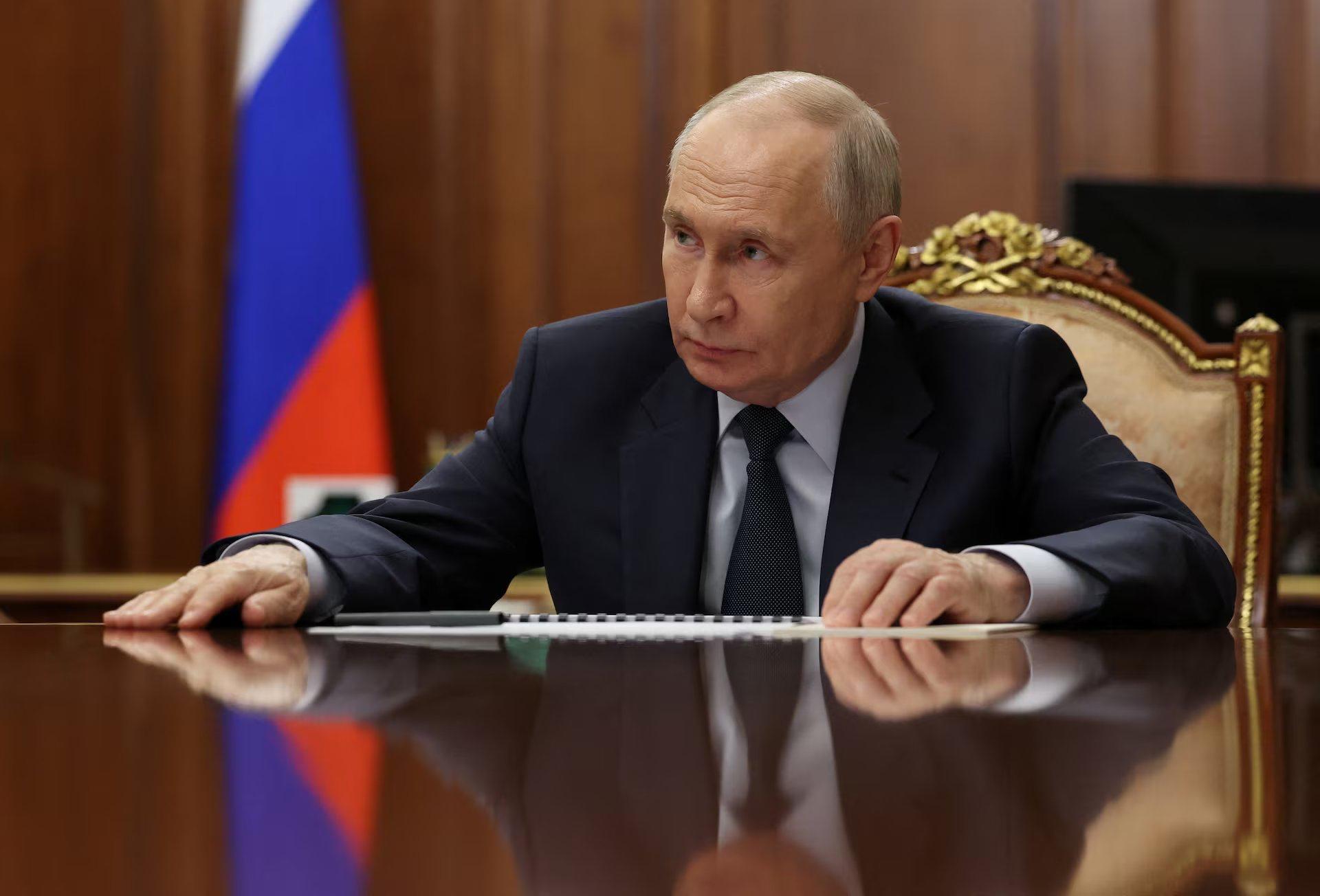
A report citing a Financial Times column by Gideon Rachman says European leaders may soon hold direct talks with Vladimir Putin and could put two paths to peace in Ukraine on the table. The first would freeze the war along the current front line in exchange for a guarantee that Ukraine never joins NATO. The second would have Ukraine give up the rest of the Donbas and then join the alliance. According to the column, European capitals increasingly reject leaving talks with Putin to Washington alone, citing frustration with Trump's approach. The column also says Europeans are much less confident that Putin would accept either option. The event is recorded as a diplomacy item with Brussels, Belgium as the reference location, dated 20 October 2026. The information is attributed to a single Telegram channel, which relays the column's contents rather than the column itself.
Context and assessment
The item concerns the diplomatic track of the Ukraine war rather than a battlefield event, so the location marks where European policy is coordinated instead of where fighting occurs. Brussels hosts the European Union and NATO headquarters, which makes it a natural reference point for discussions about alliance membership and security guarantees. The two options described reflect long-running debates. A freeze on the current line would leave Russian forces holding territory they occupy now, while a Donbas cession would address the core territorial demand Moscow has repeatedly made. Both options touch on NATO membership, which Russia has cited as a grievance since before the 2022 full-scale invasion. The related events list for this item is empty, so this report cannot be placed against a wider sequence in the data. Operationally, the report may indicate that European governments are considering their own channel to Moscow in parallel with United States-led efforts. If accurate, that would signal a shift in how Europe positions itself in negotiations. The column's own skepticism about Putin's acceptance suggests any such contact would be exploratory rather than a signal of imminent agreement.
Sources and confidence
The report comes from one Telegram channel, @ClashReport, and no second outlet in the data carries it. The Financial Times column is the underlying source, but it is cited secondhand and the original text was not checked directly. Single-channel reporting of diplomatic plans carries a risk of paraphrase drift or selective quotation. The confidence score of 6.5 out of 10 reflects a credible attribution to a named newspaper columnist combined with the lack of independent confirmation. The score would rise if the Financial Times column were verified directly or if European governments or their foreign ministries confirmed that talks were under consideration. It would fall if the column were found to describe these options as hypotheticals or commentary rather than reported plans.
Location
The location is Brussels, Belgium, assigned at settlement precision. It was chosen because the item concerns European capitals collectively and Brussels is where the European Union and NATO are headquartered, not because any specific meeting venue was reported. No facility or exact building is recorded. The city sits on the Senne river in central Belgium, in a relatively flat, urban setting. The seat of the European Commission, the Council of the EU and NATO headquarters are all located in the city's eastern and northern districts, which is why it is the common reference point for European security coordination.
▶ View this event on the live map

Intel Mapper aggregates open-source reports from monitored Telegram and X channels, geolocates them, cross-checks duplicates across sources and assigns a confidence score. Entries are updated as new confirmations arrive. Read how we verify events.