Turkish firm ASELSAN says KORKUT air defense gun deployed in nine countries, including Ukraine
What happened
Turkish defense company ASELSAN says its KORKUT air defense gun can destroy a kamikaze drone for less than $10,000, and that the system is now deployed in nine countries, including Ukraine. In remarks reported by the Financial Times, CEO Ahmet Akyol said the system had shot down 'maybe hundreds of drones' and was operating in Gulf countries and Eastern Europe. He said Ukraine's air force has confirmed that one of its units uses the KORKUT, and the report puts the cost of each round at about $1,000. This is a company statement about a product deployment, not a reported kinetic engagement, and no specific deployment site was given. The item was circulated on the Telegram channel @ClashReport.
Context and assessment
The report matters less for any single engagement than for what it says about the economics of counter-drone defense. Low-cost one-way attack drones have become a central feature of the war in Ukraine, where Russian-launched Shahed-type systems have forced both sides and their partners to rethink air defense. Gulf states have faced their own drone and missile threats in recent years, which helps explain why a system marketed to them would be highlighted alongside Ukraine. The cost comparison is the core message: a gun round at roughly $1,000 against a drone that may cost far more is a pitch aimed at governments trying to afford sustained interception. No related events are linked in the dataset, so this cannot be placed within a documented sequence of incidents. Operationally, the claims suggest a deployment in several theaters and a maturing export business for Turkish defense firms. The 'hundreds of drones' figure is a company estimate and cannot be checked from the record, so it should be read as a marketing claim until independently supported. Ukraine's air force confirmation, as described in the text, would be the most useful corroboration of the operational use claim.
Sources and confidence
The item rests on a single Telegram channel, @ClashReport, which the record lists as the only source with a source count of 1. The original text attributes the underlying reporting to the Financial Times, which suggests the channel relayed a major outlet's interview rather than producing original reporting. The confidence score of 7.1 reflects that the content is specific and traceable to a named outlet, but it is not yet verified against that outlet's article or ASELSAN's own statements. Confidence would rise if the original Financial Times piece or an ASELSAN release were located and matched the quoted claims, and if Ukraine's air force statement were published. It would fall if the original article cannot be found or if the claims about kill counts and deployments cannot be traced to a primary statement.
Location
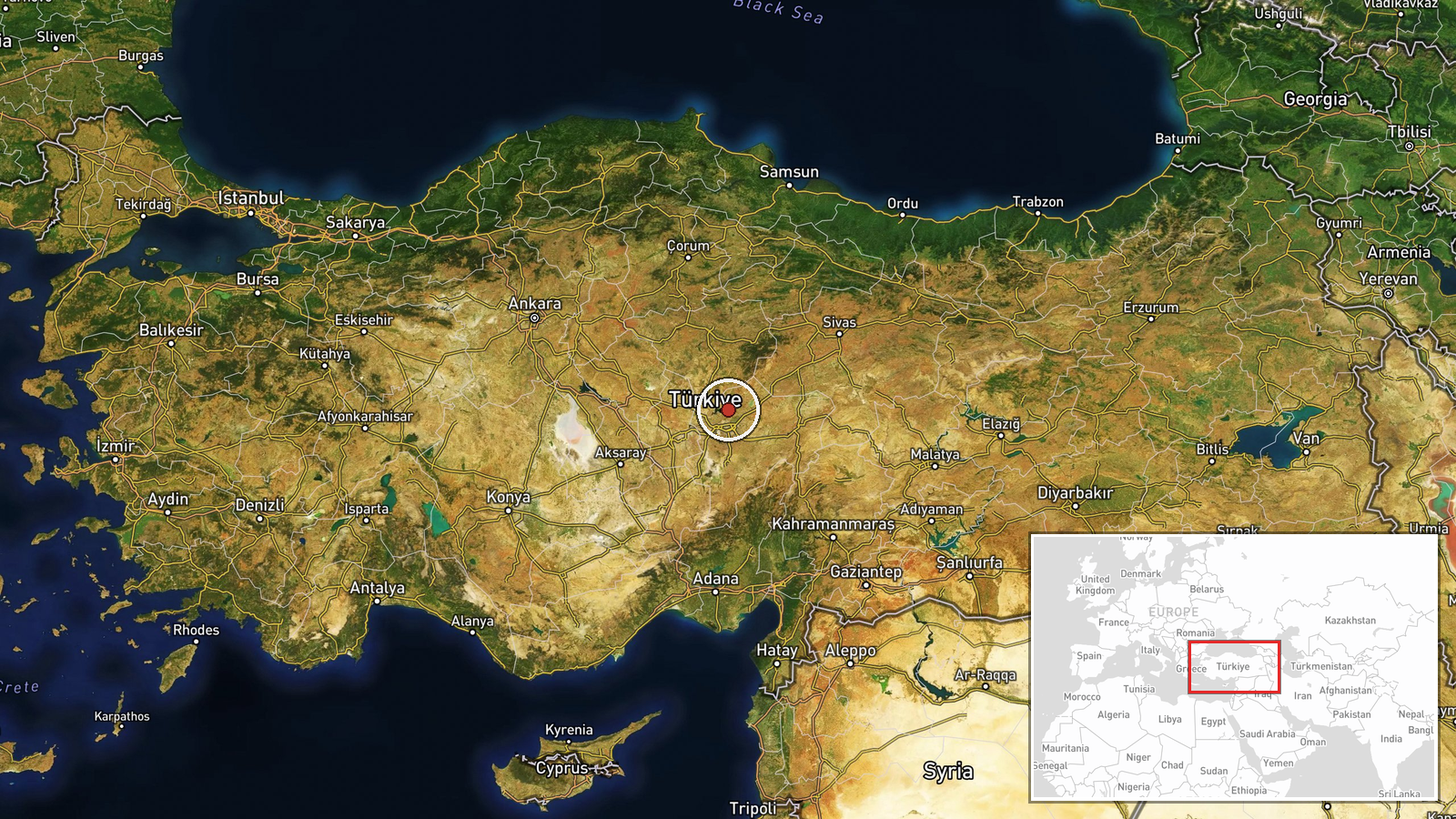
No location was reported for the deployment, so the coordinates are a regional placeholder rather than a known site. They fall in central Anatolia, in the Kayseri area of Türkiye, where the record places ASELSAN's broader activity in general terms. The point marks the country's general area and should not be read as the location of any KORKUT installation or of a deployment in Ukraine or the Gulf. Precision is region-level and location confidence is low.
▶ View this event on the live map

Intel Mapper aggregates open-source reports from monitored Telegram and X channels, geolocates them, cross-checks duplicates across sources and assigns a confidence score. Entries are updated as new confirmations arrive. Read how we verify events.