Lavrov warns NATO seeks Arctic containment of Russia, threatens asymmetric response
What happened
Russian Foreign Minister Sergey Lavrov stated that NATO aims to establish the Arctic as a new strategic front to contain Russia and its aligned partners. He asserted that Russia will respond to hostile actions by opponents through asymmetric means, without specifying the nature of such responses. The statement was made in Moscow on August 31, 2026, and reported via Telegram.
Context and assessment
The Arctic has emerged as a geopolitical flashpoint as climate change opens new shipping routes and resource access. Russia views NATO expansion in northern regions, particularly Finland's 2023 accession and increased NATO military presence in the High North, as encirclement. Lavrov's framing of the Arctic as a potential conflict zone reflects broader Russian concern about perceived Western containment. The statement follows a Ukrainian drone attack on Moscow and escalating rhetoric from Russian officials, including calls for nuclear escalation, suggesting Moscow is signaling resolve amid military pressure. Asymmetric responses could encompass cyber operations, proxy actions, or unconventional military tactics rather than direct conventional engagement.
Sources and confidence
Reported solely by Telegram channel @ClashReport on August 31. Single-source reporting limits independent verification; no corroboration from Russian state media outlets, press conferences, or third-party monitors is noted in available data. Confidence score of 7.0 reflects the statement's attribution to a senior official but the absence of cross-confirmation. Direct statements from Lavrov or TASS would raise confidence; contradictory reporting from multiple reliable sources would lower it.
Location
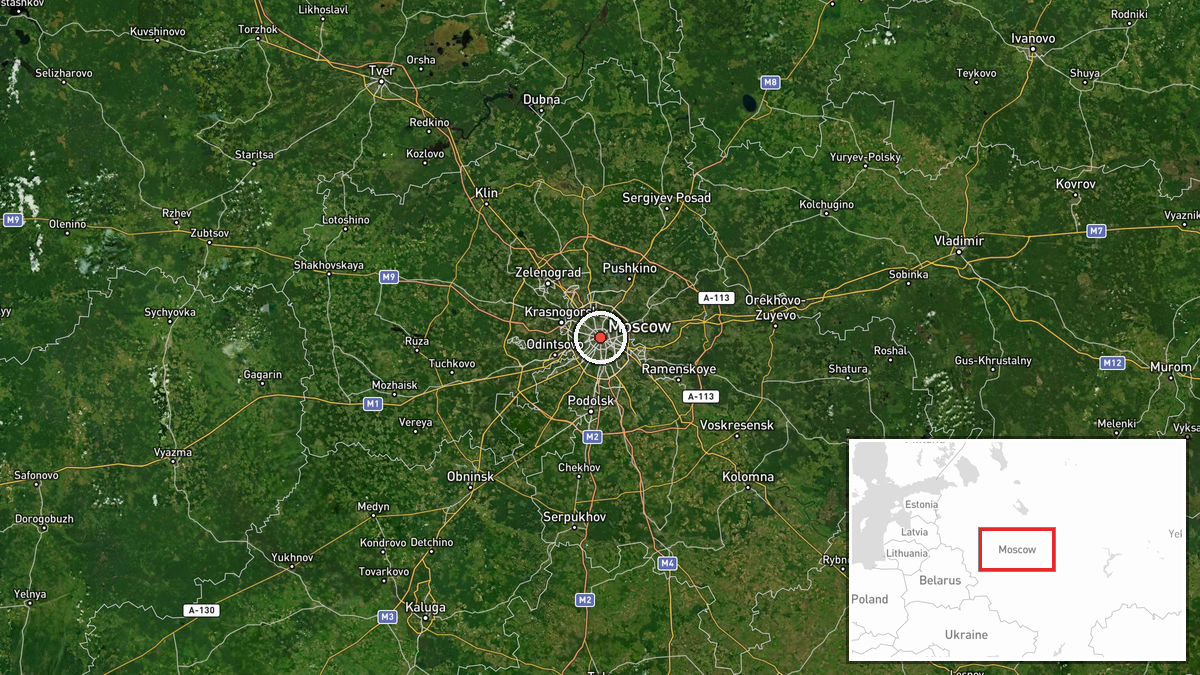
Moscow, Russia. Statement origin determined at settlement precision level in the Russian capital (55.76°N, 37.62°E), where Lavrov conducts official business. No specific venue indicated in the report. Moscow serves as the political center from which Russian foreign policy is articulated.
Related events nearby
- Ukrainian drone attack targeting Moscow from north and south approaches. Scale and damage assessment pending.2026-08-30 21:08 UTC · UAS Strike · Moscow, Russia
- Kremlin spokesperson states that a Putin-Trump-Zelensky summit would only be held to formally ratify agreement2026-08-30 16:07 UTC · Statement · Moscow, Russia
- Russian State Duma MP Zhuravlyov calls on Putin to authorize nuclear strikes on Ukraine as part of escalating 2026-08-30 13:05 UTC · Statement · Moscow, Russia
▶ View this event on the live map
Intel Mapper aggregates open-source reports from monitored Telegram and X channels, geolocates them, cross-checks duplicates across sources and assigns a confidence score. Entries are updated as new confirmations arrive. Read how we verify events.