Turkish F-16s scrambled from Estonia as Ukrainian drone briefly crosses border during Russia strikes
What happened
A Ukrainian drone briefly entered southeastern Estonian airspace on September 1 during ongoing strikes against targets in western Russia. Turkish Air Force F-16 fighter jets stationed at Ämari NATO air base in Läänemaa County were scrambled in response to the incursion. Estonian air-threat alerts were activated but subsequently lifted by 05:30 local time. No drones, missiles, or other ordnance impacted Estonian territory, and no casualties or damage were reported.
Context and assessment
Ämari air base hosts NATO's integrated air defense mission for the Baltic region, a cornerstone of alliance deterrence following Russia's 2022 invasion of Ukraine. Turkish F-16s rotate through the base as part of NATO's collective defense posture. The incident reflects the operational strain of Ukrainian long-range strike campaigns against Russian territory, which increasingly push unmanned systems toward NATO airspace. Drone incursions into allied territory occur sporadically as Ukrainian aircraft navigate Russian air defenses; most are unintentional. The rapid NATO response demonstrates active air-defense readiness in the region, though the brief crossing and swift all-clear suggest the intrusion posed limited tactical concern.
Sources and confidence
The incident was reported by Telegram channel @ClashReport. No cross-confirmation from NATO, Estonian, or Turkish official sources is noted in available data. The single-source reporting and lack of follow-up official statements lower confidence moderately. Confirmation from NATO or Estonian defense ministry statements, or corroboration by additional independent channels, would substantially raise confidence.
Location
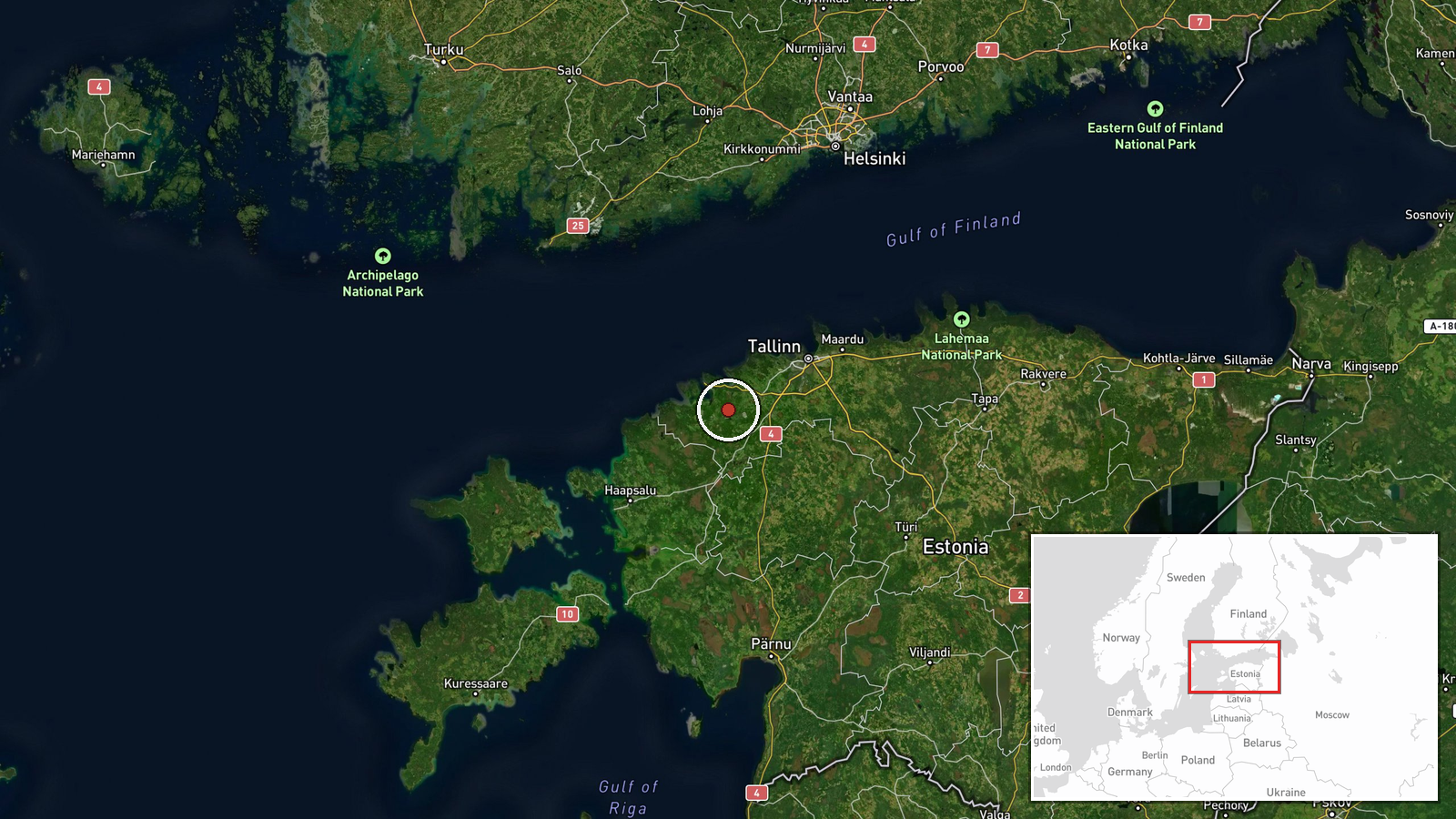
Ämari air base lies in Läänemaa County in northwestern Estonia, approximately 150 kilometers west of Tallinn and roughly 150 kilometers north of the Russian border. The base sits in the Baltic coastal lowlands near the Gulf of Finland, positioned to provide air cover across the Baltic states and northern Estonia.
Related events nearby
- Russian drones crossed Estonian and Latvian airspace. NATO scrambled Turkish F-16 fighter jets in response to 2026-09-01 08:37 UTC · Drone Transit · Tallinn, Harjumaa, Estonia
▶ View this event on the live map
Intel Mapper aggregates open-source reports from monitored Telegram and X channels, geolocates them, cross-checks duplicates across sources and assigns a confidence score. Entries are updated as new confirmations arrive. Read how we verify events.