Germany officially blames Russia for Leipzig Airport drone attack, closes Bonn consulate
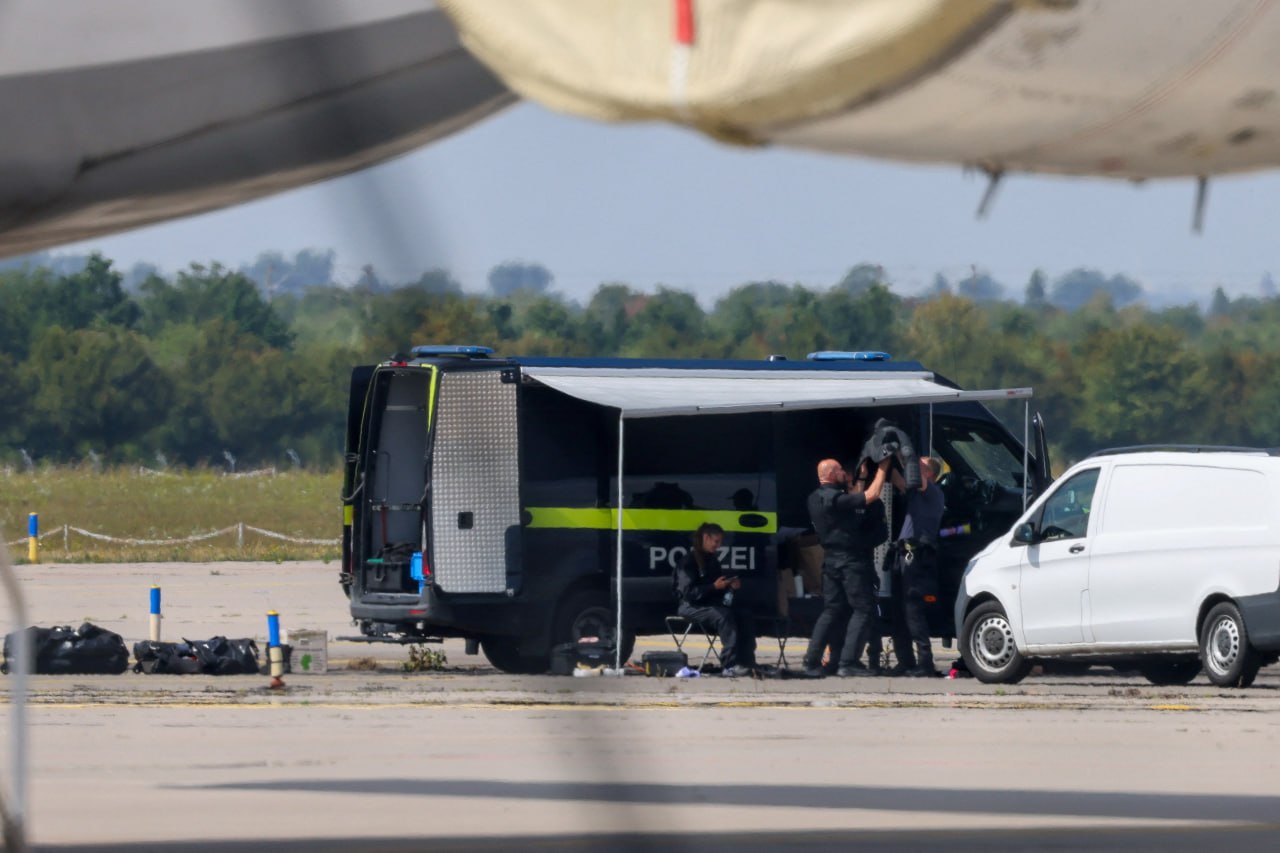
What happened
Germany's federal government has formally attributed the August 4 explosives-drone attack at Leipzig/Halle Airport to Russian intelligence services (GRU). The initial attack reportedly failed to achieve significant impact. In response to this attribution, Germany announced the closure of Russia's consulate in Bonn. The statement represents an official escalation in Germany's response to suspected Russian hostile activity on its territory.
Context and assessment
Leipzig/Halle Airport is one of Germany's major cargo hubs and serves significant economic and transportation functions in eastern Germany. The August 4 attack, if confirmed as Russian-directed, would align with a pattern of suspected Russian sabotage and reconnaissance operations across European infrastructure since 2022. Germany has previously investigated incidents involving Russian agents and suspected hybrid warfare activities. The consulate closure is a measured diplomatic response typical of European governments responding to intelligence operations, falling short of broader sanctions but signaling official disapproval and a willingness to impose costs on Russian diplomatic presence.
Sources and confidence
Single source: Telegram channel @ClashReport. No cross-confirmation from German government statements, NATO allies, or independent verification noted. Confidence score of 7.0 reflects the official attribution claim but limited corroboration in provided data. Confirmation from German federal spokespersons or multiple independent news outlets would strengthen confidence; contradictory statements from Russian officials or lack of supporting evidence would lower it.
Location
Leipzig/Halle Airport, located in Leipzig, Saxony, eastern Germany (51.39°N, 12.24°E). The airport serves as a major international cargo and passenger hub in the former East German region. Precision: settlement-level, with coordinates placing the report at the airport facility itself in the Leipzig metropolitan area.
▶ View this event on the live map
Intel Mapper aggregates open-source reports from monitored Telegram and X channels, geolocates them, cross-checks duplicates across sources and assigns a confidence score. Entries are updated as new confirmations arrive. Read how we verify events.