Russia expands anti-drone defenses at Moscow fuel storage facilities
What happened
Russia is installing protective structures around fuel storage tanks in the Moscow region as a defensive measure against drone attacks, according to Telegram channel ClashReport. The report includes photographs of the installations at the facilities. This continues a broader Russian effort to harden critical infrastructure against aerial threats, which has intensified as drone operations have expanded in scope across Russian territory.
Context and assessment
Fuel storage and energy infrastructure represent high-value targets in the broader conflict, as their disruption affects both military logistics and civilian supply chains. The Moscow region, while distant from active ground combat, has faced repeated drone strikes and reconnaissance missions over the past year. This defensive posture indicates Russian assessments of ongoing vulnerability to aerial attack despite air defense deployments. The timing coincides with reported international flight disruptions to Moscow—including Turkish carrier cancellations cited as airspace-related—suggesting heightened operational tempo in the region. Such hardening efforts typically signal expectations of sustained pressure rather than imminent de-escalation.
Sources and confidence
Single source: Telegram channel ClashReport. No cross-confirmation from independent verification or Russian official statements noted. Confidence of 7.0 reflects visual documentation in the report but limited source diversity. Confirmation from Russian defense ministry statements or multiple independent sources would strengthen confidence; contradicting reports or evidence of pre-existing structures would lower it.
Location
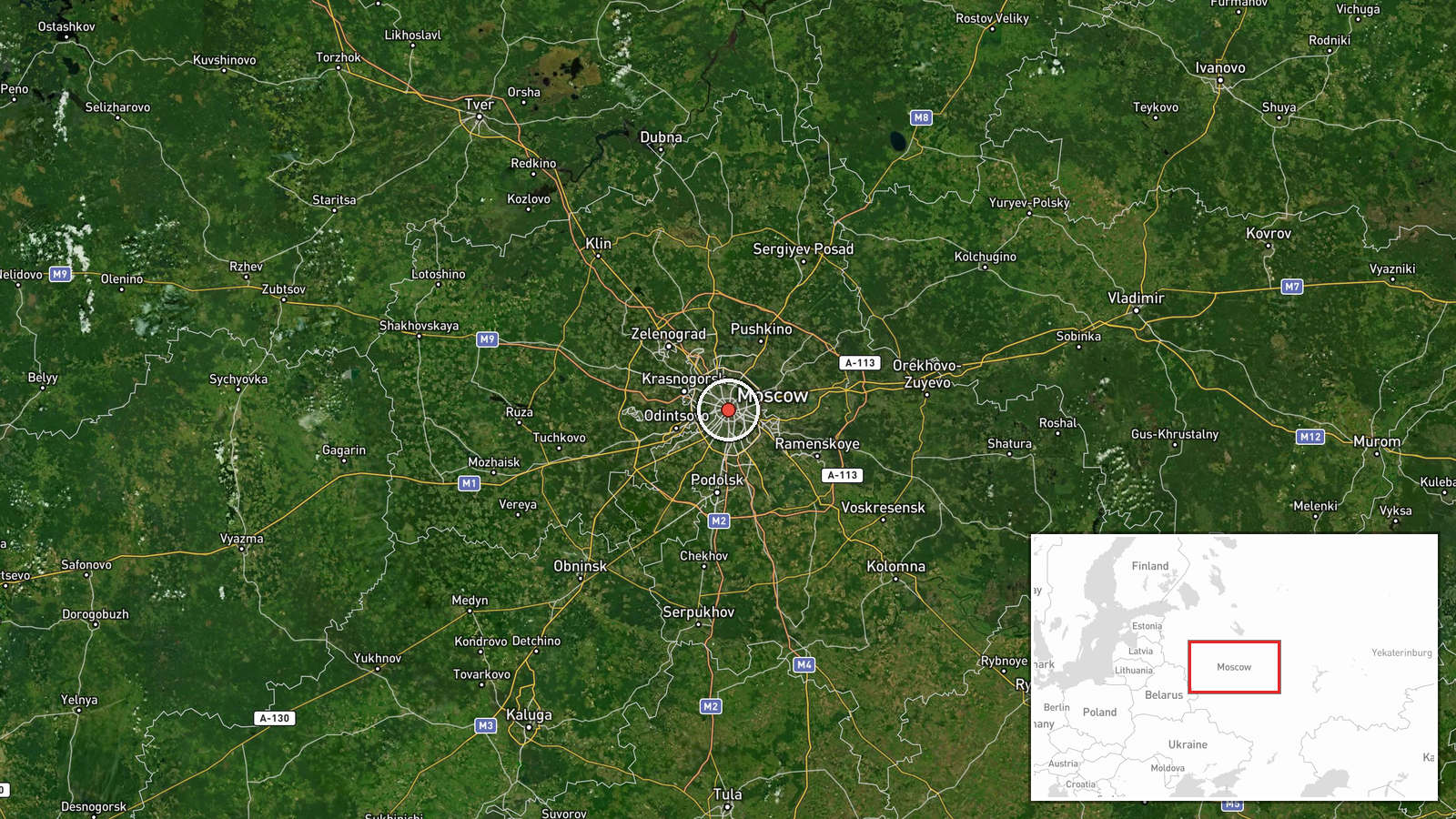
Moscow region, Russia. Coordinates approximate to central Moscow (55.75°N, 37.62°E) but geo_precision is listed as regional. Fuel storage facilities are typically located on the periphery of Moscow rather than the city center, suggesting the actual installations are in suburban or exurban areas of the region. Exact facility locations not specified in source material.
Related events nearby
- Turkish Pegasus Airlines cancelled 12 Moscow round-trip flights citing technical and operational reasons. Some2026-09-02 15:05 UTC · Statement · Moscow, Russia
- Russia summoned Germany's acting chargé d'affaires to the Foreign Ministry over alleged anti-Russian actions a2026-09-02 12:12 UTC · Diplomacy · Moscow, Russia
- Turkey has begun cancelling flights to Russia, with 80+ flights cancelled or delayed from various countries to2026-09-02 09:44 UTC · Statement · Moscow, Russia
- Turkish carrier Pegasus cancelled 12 flights to/from Moscow Vnukovo, citing 'airspace situation.' Multiple fli2026-09-02 09:34 UTC · Statement · Moscow, Russia
- Russian President Putin states: 'We do not negotiate with terrorists.' Statement reflects Russia's hardline po2026-09-02 09:14 UTC · Statement · Moscow, Russia
▶ View this event on the live map
Intel Mapper aggregates open-source reports from monitored Telegram and X channels, geolocates them, cross-checks duplicates across sources and assigns a confidence score. Entries are updated as new confirmations arrive. Read how we verify events.